Clear Sky Science · en
Dexpanthenol mitigates trauma-induced lung injury by modulating RIPK1/RIPK3/MLKL-mediated necroptosis in rats
Why chest injuries matter for the lungs
Blunt hits to the chest are common in car crashes, falls, and sports accidents, and they can bruise the lungs so badly that breathing and blood oxygen levels quickly become life-threatening. Doctors have long known that inflammation and oxygen-related damage are involved, but the exact ways cells die after such trauma, and how to stop that damage, are still being uncovered. This study in rats explores whether a vitamin B5–related compound called dexpanthenol can shield bruised lungs from cascading injury inside their cells.
A closer look at bruised lungs
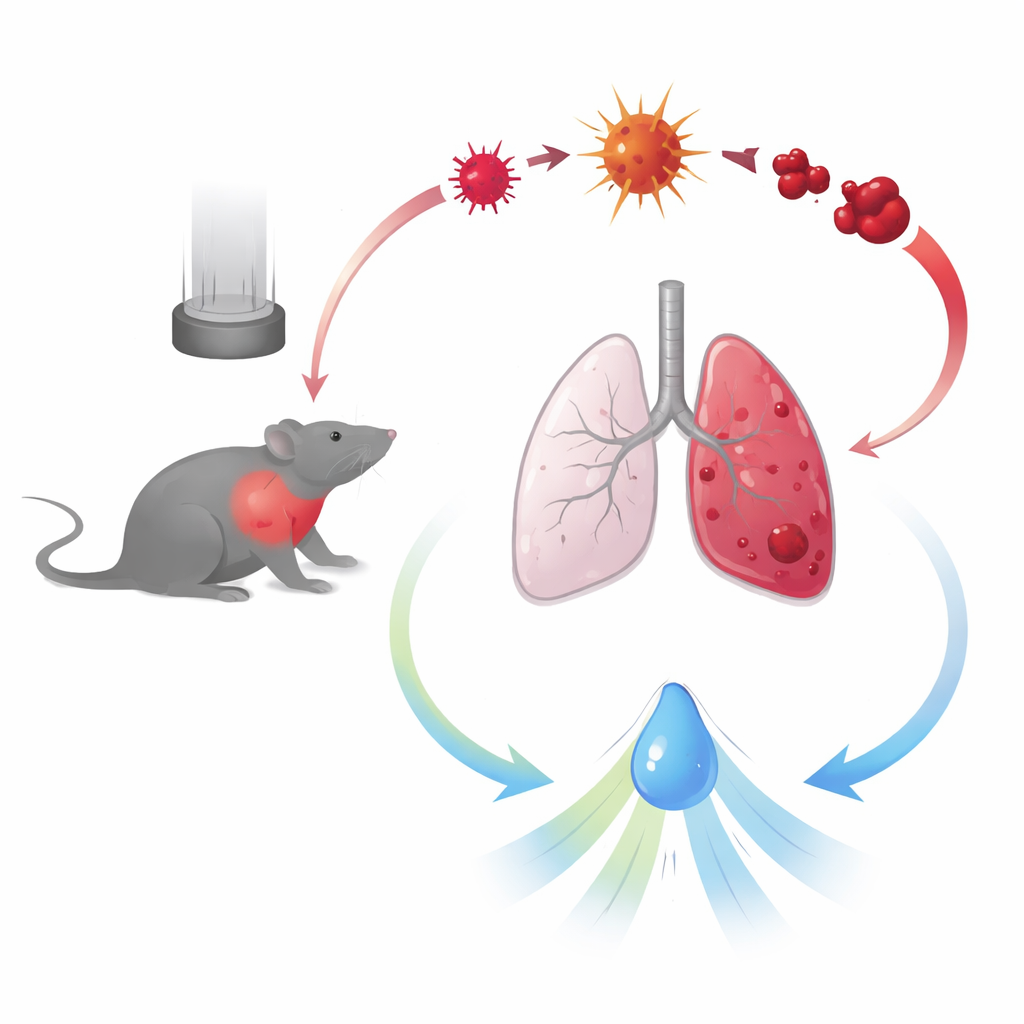
When the chest is struck hard, the spongy lung tissue can rupture and fill with fluid and blood. In this experiment, researchers dropped a small metal weight onto the chests of anesthetized rats to mimic a serious blunt impact. Within 48 hours, untreated animals showed classic signs of lung contusion under the microscope: thickened walls between air sacs, swelling, bleeding, and heavy invasion of immune cells. These changes mirror what is seen in human patients with severe chest trauma, where the lungs struggle to exchange oxygen and carbon dioxide.
How cell death fuels ongoing damage
The team focused on two major ways lung cells die after trauma. One is apoptosis, a kind of orderly self-destruction often triggered by a signaling molecule called tumor necrosis factor alpha, which activates enzymes such as caspase-3. The other, less familiar to most readers, is necroptosis—a programmed form of explosive cell rupture that spills contents into surrounding tissue and fans the flames of inflammation. Necroptosis is driven by a chain of proteins (RIPK1, RIPK3, and MLKL) that, once activated, punch holes in the cell membrane. In bruised lungs, the researchers found strong increases in both inflammatory markers and the genes that control these death pathways, along with a measurable tilt toward oxidative stress, where harmful reactive molecules outweigh natural antioxidants.
The protective role of a vitamin-based drug
Dexpanthenol, a stable alcohol form of vitamin B5, is already used for its healing and soothing effects in other tissues. In this study, rats received a single dose of dexpanthenol after chest trauma. Compared with untreated injured animals, their lungs looked far healthier: less swelling and bleeding, thinner septal walls, and fewer invading immune cells. Chemical tests showed that overall oxidative balance shifted back toward normal, even though individual oxidant and antioxidant levels did not fully normalize. Under the microscope, there was much less staining for the inflammatory signal TNF-alpha and the cell-death enzyme caspase-3, indicating that both inflammation and apoptosis had been dialed down.
Blocking a destructive chain reaction inside cells
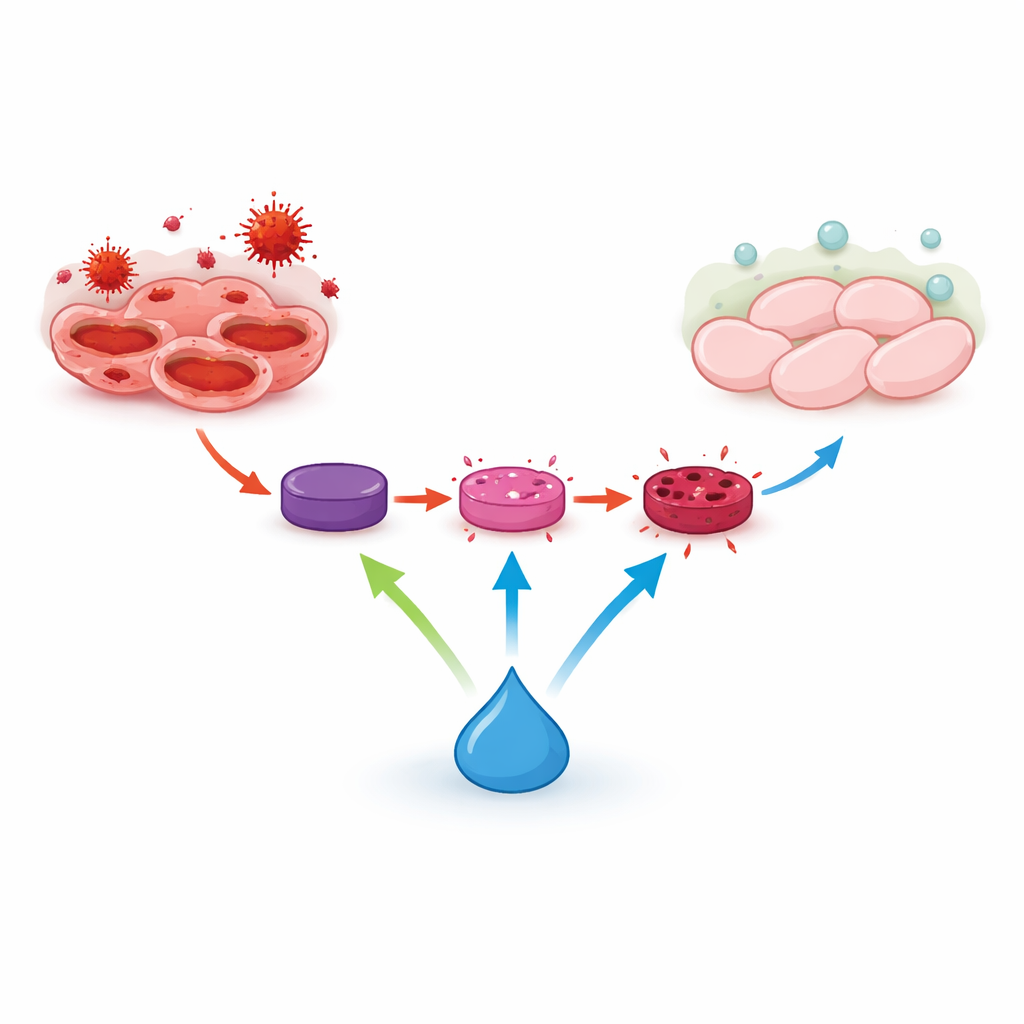
Perhaps the most striking finding involved necroptosis. After trauma, the genes for RIPK1, RIPK3, and MLKL were all switched on more than twice as strongly as in uninjured lungs, signaling a surge in this explosive form of cell death. With dexpanthenol treatment, expression of all three returned close to normal levels. At the same time, rats that received dexpanthenol without any injury showed no meaningful changes in lung structure, inflammatory signals, oxidative balance, or necroptosis-related genes. This pattern suggests that the drug does not disturb healthy lungs but instead acts as a targeted brake on trauma-triggered damage pathways.
What this could mean for future care
For a general reader, the takeaway is that lung bruises from a hard hit to the chest are not just a simple mechanical injury—they set off a multi-step, self-amplifying wave of inflammation, chemical stress, and different forms of cell death. In rats, a vitamin-derived drug, dexpanthenol, softened this wave on several fronts at once, calming inflammation, easing oxidative stress, and curbing both orderly and explosive cell death inside lung tissue. While these results are early and limited to a short-term animal study using a single dose, they hint that such multi-action compounds might one day help protect the lungs of trauma patients before damage becomes irreversible. Further work will be needed to test different doses, follow long-term outcomes, and confirm these effects in human settings.
Citation: Camas, H.E., Savran, M., Akin, S.E. et al. Dexpanthenol mitigates trauma-induced lung injury by modulating RIPK1/RIPK3/MLKL-mediated necroptosis in rats. Sci Rep 16, 8468 (2026). https://doi.org/10.1038/s41598-026-40026-3
Keywords: thoracic trauma, lung contusion, dexpanthenol, cell death pathways, oxidative stress