Clear Sky Science · en
Perceived event sustainability as a moderator connecting marathon participants’ motivations to place attachment, value perceptions, and value co-creation behaviors
Why marathons matter beyond the finish line
For many runners, signing up for a marathon is about more than crossing 42 kilometers off a bucket list. It can change how they feel about the city that hosts the race, how much they value the experience, and how willing they are to give back to the local community. This study looks at what motivates marathon participants in Chinese cities, how those motives shape their emotional bond with the host place, and why seeing an event as environmentally and socially responsible can turn ordinary runners into active partners in building better, more sustainable sports destinations.
What drives people to travel and run
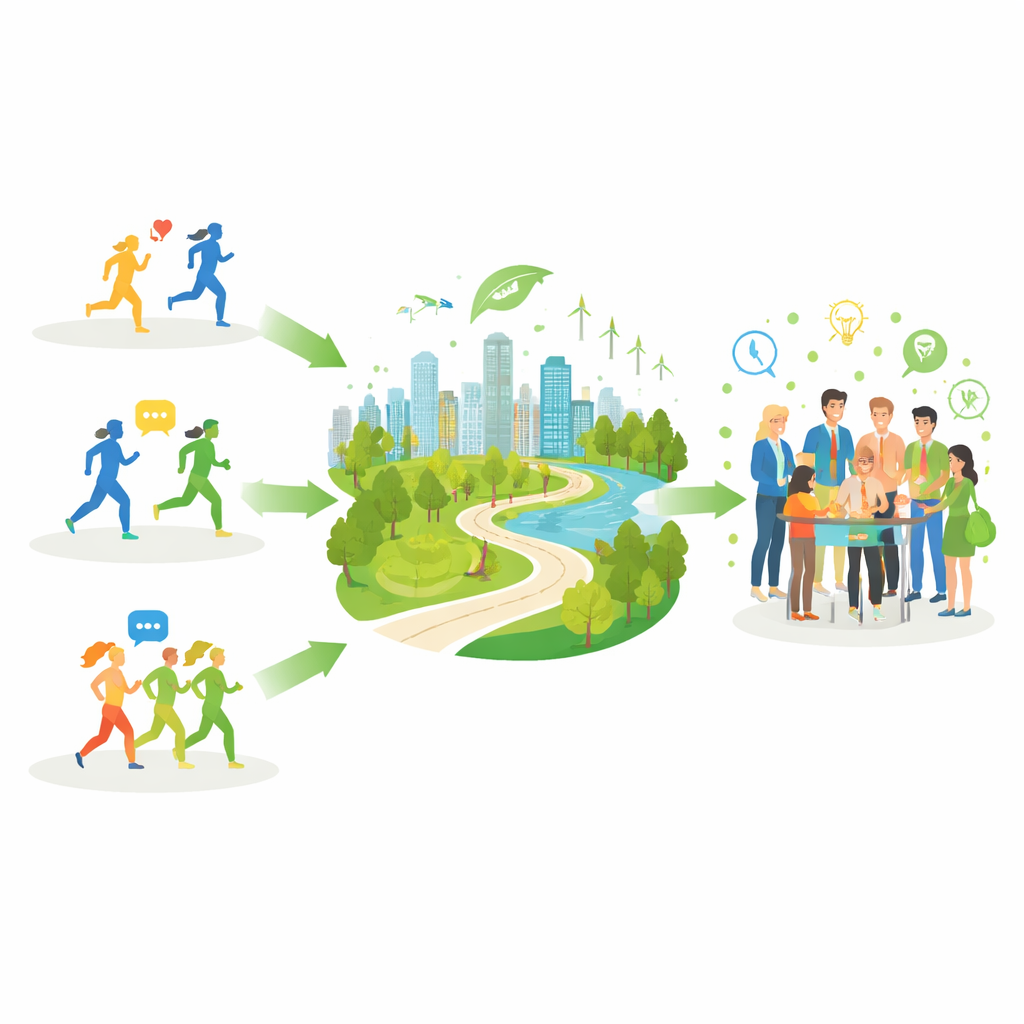
The researchers focus on three simple but powerful reasons people travel to take part in marathons. First is the joy of movement: the pleasure of running, feeling “in the zone,” and sharing the road with thousands of others. Second is the urge to achieve: chasing a personal best, conquering a difficult course, or ticking off a famous race. Third is the desire for social recognition: using photos, videos, and posts to gain approval and attention on social media. Together, these motives reflect both inner satisfaction and outward rewards, and the study asks how they translate into deeper feelings about the host city and the race itself.
How feelings become bonds with a place
Drawing on survey data from 365 marathon participants in multiple Chinese cities, the study shows that all three motivations are linked to stronger “place attachment” and higher “perceived value.” In everyday terms, runners who enjoy the race more, feel proud of their achievements, or receive more online recognition are more likely to see the host city as special and meaningful, not just another stop on the map. They also judge the event as more “worth it” when they weigh the time, money, and effort they invested against what they gained in experiences, emotions, and memories. These emotional ties turn a city into “my marathon city,” a place people want to return to and talk about.
Why sustainability changes the whole experience
A key twist in this study is the role of perceived event sustainability: how strongly runners feel that a race protects the environment, benefits the local economy, and supports the community. When participants believe an event cuts waste, uses greener transport, and helps local residents, the positive impact of their motivations becomes even stronger. For example, runners who have fun or strive for achievement feel more attached to the city and value the event more when they also see it as eco-friendly and socially fair. In other words, knowing that a marathon is not just exciting but also responsible adds an extra layer of meaning. Personal goals start to blend with a sense of doing something good for others and for the planet.
From happy runners to active partners
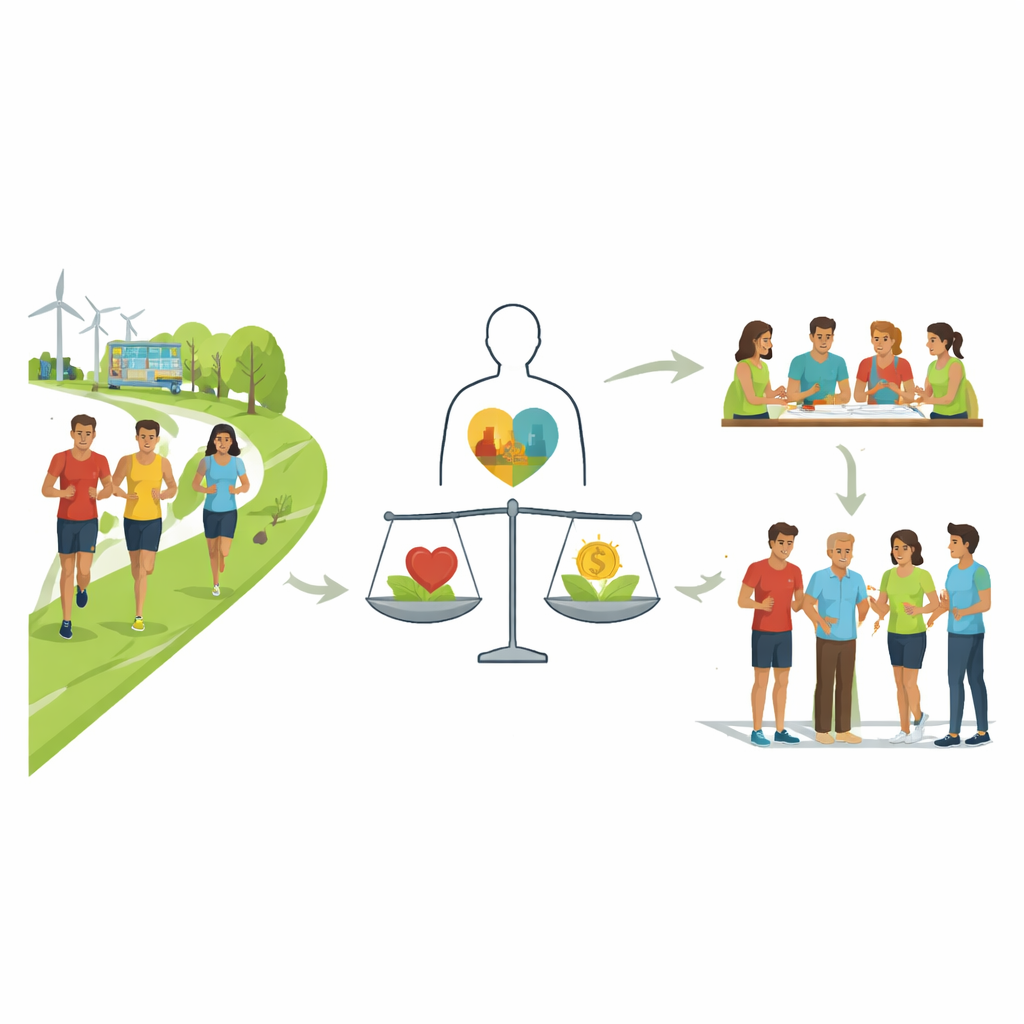
The study goes beyond feelings to look at what runners actually do after the race. Those who feel attached to the host city and who rate the experience highly are more likely to engage in “value co-creation” behaviors. This includes sharing helpful feedback with organizers, being friendly and cooperative during the event, helping other tourists, and recommending the race and destination to others. These behaviors extend the life of the event well past race day: they strengthen the event’s reputation, support local businesses, and help refine future races. In this way, motivated and satisfied runners become partners rather than passive customers.
What this means for cities and runners
For a lay audience, the main message is straightforward: when marathons are enjoyable, challenging, and shareable online, and when they are visibly kind to the environment and community, runners form a deep emotional connection to the host city. That connection makes them more likely to help improve the event and promote the destination. For city planners and race organizers, this means that investing in sustainable practices and thoughtful runner experiences is not a luxury; it is a strategy for building loyal visitors and vibrant, resilient sports tourism. For runners, it suggests that choosing greener events does more than provide a great race—it helps shape healthier cities and communities with every step.
Citation: Zhang, X., Feng, L. Perceived event sustainability as a moderator connecting marathon participants’ motivations to place attachment, value perceptions, and value co-creation behaviors. Sci Rep 16, 8477 (2026). https://doi.org/10.1038/s41598-026-40019-2
Keywords: sports tourism, marathon events, sustainable events, place attachment, social media and travel