Clear Sky Science · en
Uunderstanding the psychological impact of the climate crisis on individuals with depression: a phenomenological study
Why Climate Change Hurts Minds as Well as Bodies
The climate crisis is usually framed in terms of melting ice, heatwaves, and rising seas. But for people living with depression, these changes can quietly erode daily life, emotions, and hope for the future. This study listens closely to twelve adults with a diagnosis of Major Depressive Disorder in Van, Eastern Turkey, to understand how a warming, less predictable world is shaping their inner worlds and what helps them cope.
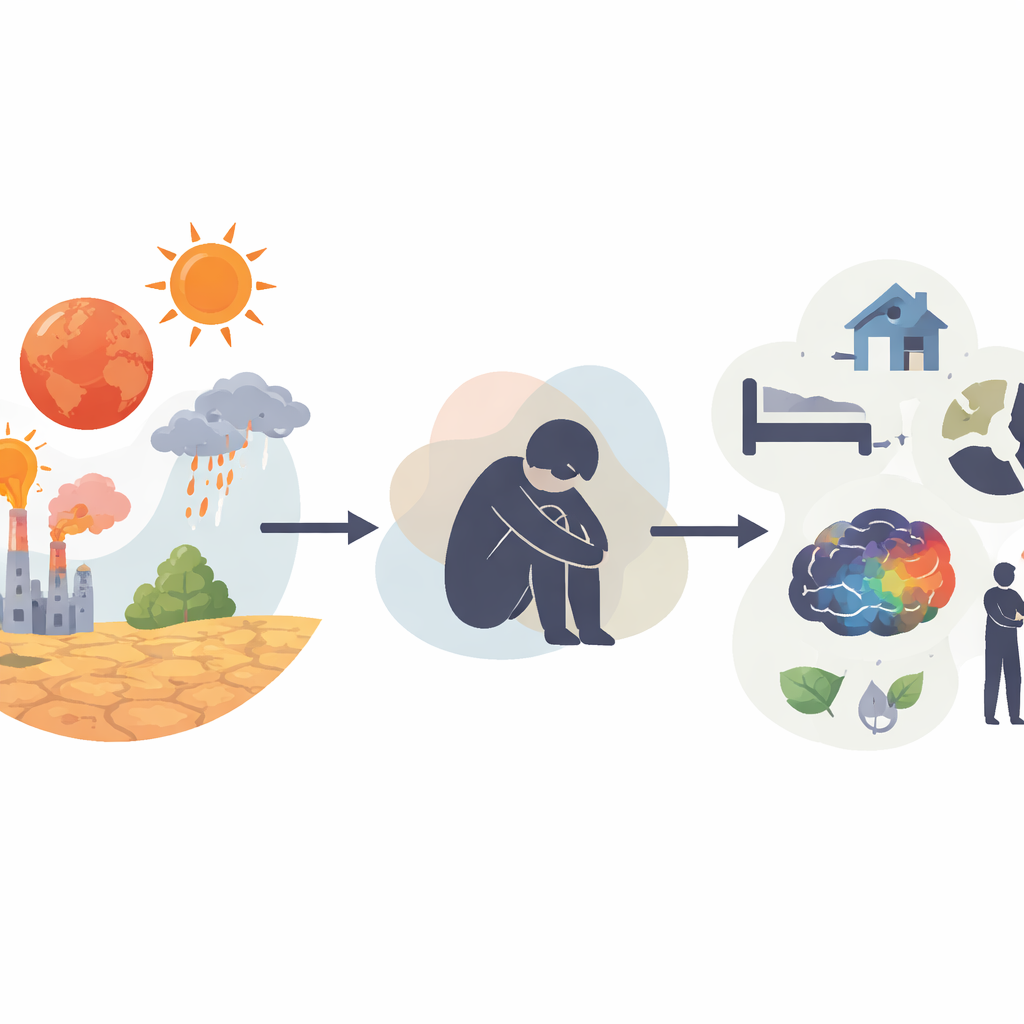
Everyday Life Under a Changing Sky
Participants described climate change not as distant news but as something woven into their routines. Hotter summers and unstable weather made it harder to leave the house, keep social plans, or even sleep at night. Several people said that intense heat left them feeling trapped indoors, more irritable, and less willing to see friends or family. Poor sleep on sweltering nights fed into daytime fatigue and darker moods, making it more difficult to follow treatment or maintain work and household responsibilities. For some, a walk in nature or a small outing could still bring relief, but these moments felt fragile in the face of an uncomfortable climate.
When Body Aches and Low Mood Collide
The climate crisis also appeared in participants’ stories through their bodies. Those with conditions like asthma felt that pollution, temperature swings, and harsh weather triggered more frequent illnesses. Physical discomfort and health worries, in turn, blended with emotional strain, deepening feelings of exhaustion and detachment. Many participants felt that news about fires, droughts, and pollution weighed on them long after the broadcast ended, worsening their sense that nothing was enjoyable or meaningful. They often believed that ongoing climate shifts would gradually intensify both physical problems and depression, for themselves and for others.
Worrying About a Shrinking Future
Looking ahead, participants voiced a heavy mix of fear, uncertainty, and responsibility. They spoke of blistering summers, weaker winters, dried gardens, and shrinking harvests as signs that the world was losing its balance. For people whose livelihoods depended on farming or outdoor work, these changes threatened income and security. Many worried not only about their own futures but about their children’s chances of living in a safe, stable world with enough food and water. Images of future disasters, conflict over scarce resources, and the loss of familiar landscapes fueled a particular form of climate-related anxiety that merged with existing depressive thoughts about hopelessness and worthlessness.
Emotional Storms and Quiet Numbness
The emotional impact of the climate crisis for these individuals went beyond simple fear about bad weather. Some described a constant restlessness and inner tension linked to watching environmental damage unfold and feeling that others did not care. Others felt a kind of emotional numbness: it no longer mattered whether it rained or shone; their expectations from life had faded. Scenes of burning forests, relentless heat, and dying nature stirred deep sadness and what researchers call ecological grief—a mourning for damaged places and disappearing seasons. Rather than starting their depression, climate-related stress seemed to act like an amplifier, intensifying sadness, despair, and the sense that the future held little promise.
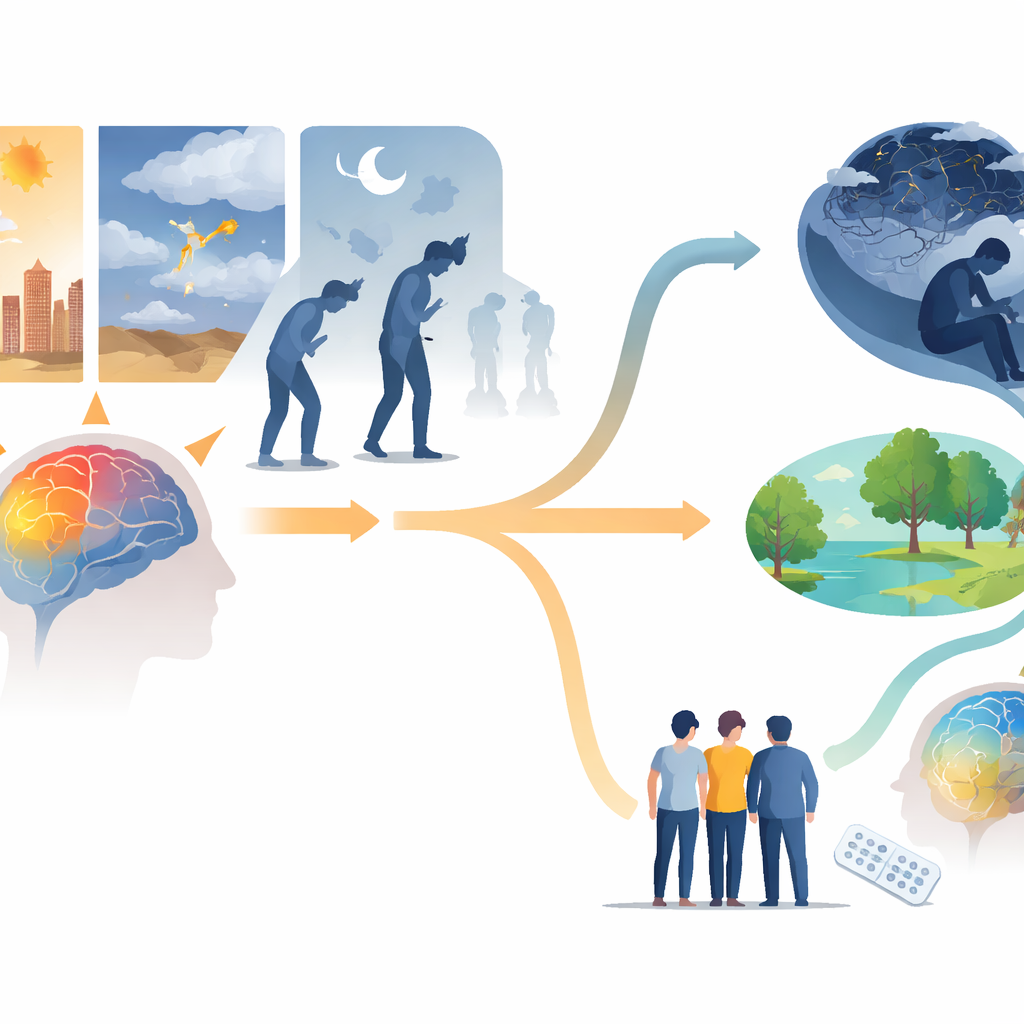
Finding Ways to Cope and Asking for Support
Despite these burdens, participants were not passive. They leaned on friends and family, finding that shared time and conversation softened isolation. Some turned to physical activity or walks in nature when possible, while others drew comfort from spiritual practices such as prayer. A few relied on medication and mental health care to help manage their reactions to climate news and environmental stress. People also tried to act in environmentally friendly ways—saving water, using public transport, avoiding litter—as small gestures of control. Yet many felt that personal efforts were not enough without strong action from governments and institutions to curb pollution, protect resources, and raise public awareness.
What This Means for People and Care Systems
In simple terms, the study shows that for people living with depression, the climate crisis is not just background noise. It shapes how they sleep, work, relate to others, think about their health, and imagine the future. Climate change does not appear as a single cause of their illness, but as a powerful stress that deepens existing vulnerabilities. The authors argue that mental health services should take these climate-related worries seriously—asking about them in therapy, building coping skills that address environmental stress, and supporting policies that protect both the planet and people’s psychological resilience. Recognizing this hidden mental side of the climate crisis may help societies better support those who are already struggling the most.
Citation: Ayhan, C.H., Sukut, Ö., Aktaş, S. et al. Uunderstanding the psychological impact of the climate crisis on individuals with depression: a phenomenological study. Sci Rep 16, 8412 (2026). https://doi.org/10.1038/s41598-026-39907-4
Keywords: climate anxiety, depression, mental health, extreme weather, coping strategies