Clear Sky Science · en
Environmental transformational leadership and employee green behavior through psychological mechanisms
Why leaders matter for going green at work
Cutting waste, saving energy, and protecting local environments rarely depend on technology alone. They hinge on whether ordinary employees are willing to act green in the flow of daily work: printing less, sorting trash, conserving water, or suggesting eco‑friendly improvements. This article asks a simple but important question: how can leaders inspire such everyday green actions in a way that lasts, rather than fading once a campaign ends? Focusing on public‑sector workers in Lahore, Pakistan, the study uncovers a psychological chain that links environmentally focused leadership to employees’ voluntary green behavior.
Leaders who put the environment at the center
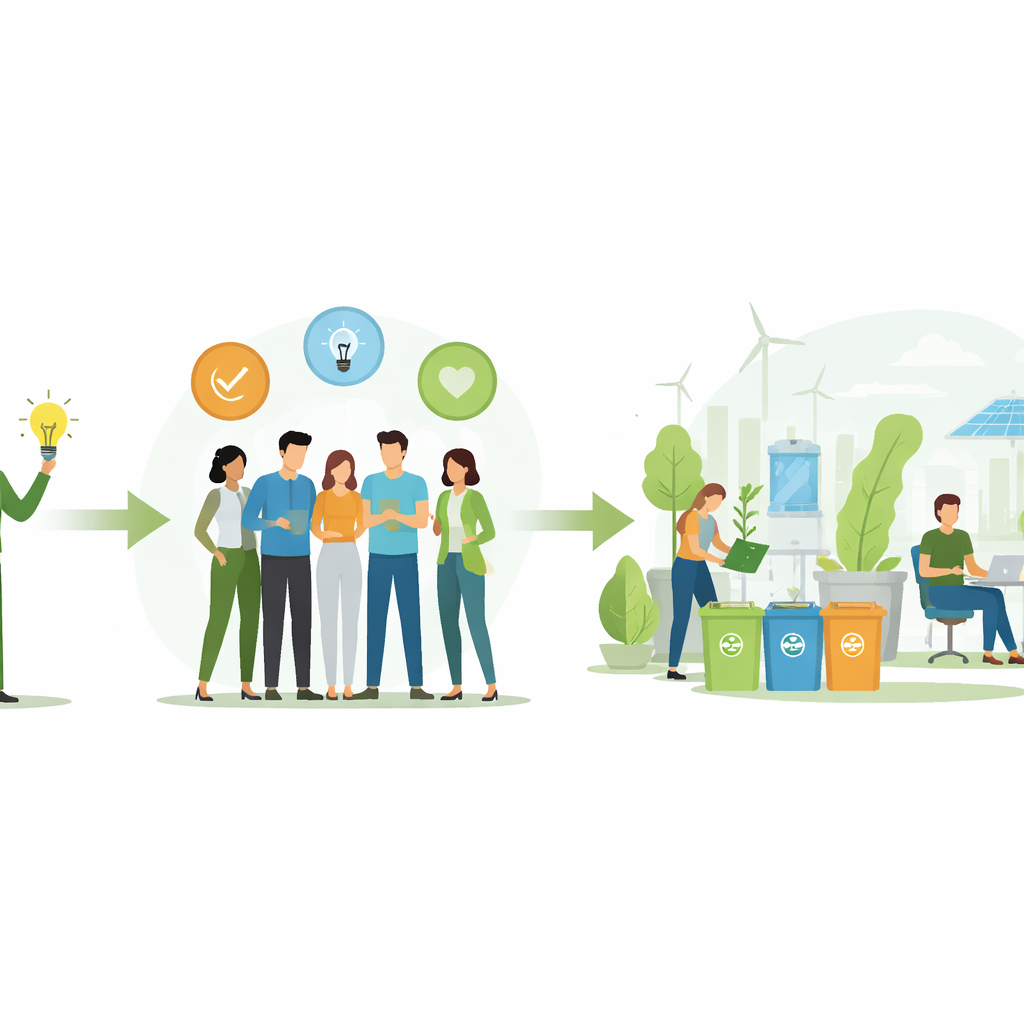
Many managers talk about performance and innovation; fewer put environmental protection at the heart of their message. The study focuses on “environmental transformational” leaders, who weave green priorities into their vision, their personal example, and the way they encourage staff to think and act. These leaders talk enthusiastically about protecting the environment, coach employees on eco‑issues, and invite new ideas for solving environmental problems. Earlier research showed that this kind of leadership is generally linked to greener behavior from staff, but the reasons why have remained fuzzy. Is it simply that people copy what the boss does, or are there deeper psychological processes at work?
The hidden needs that drive motivation
To dig deeper, the author combines leadership research with self‑determination theory, a well‑tested view of human motivation. This theory says people are most likely to act willingly and persistently when three basic needs are met at work: autonomy (having a sense of choice), competence (feeling capable), and relatedness (feeling connected to others). The study proposes that green‑minded leaders are effective not because they push harder, but because they quietly support these needs. By giving employees room to shape eco‑initiatives, helping them build environmental skills, and fostering a sense of shared purpose, such leaders create conditions in which workers genuinely want to protect the environment, rather than feeling forced to do so.
Testing the chain from leader to behavior
The research is based on survey data from 216 employees of Lahore’s Local Government and Community Development Department, an agency responsible for waste, water, sanitation, and other services tied directly to pollution and resource use. Using statistical modeling, the author tracks how strongly leadership is linked to three things: employees’ sense that their basic needs are fulfilled, their inner motivation to care for the environment, and their self‑reported green actions on the job. The analysis confirms that environmentally focused leadership has an overall positive link with green behavior. However, it also reveals that leadership does not directly boost inner environmental motivation on its own. Instead, leadership first relates to how well employees’ needs for autonomy, competence, and relatedness are met; only then does motivation rise, and only then do everyday green actions become more frequent.
A psychological domino effect
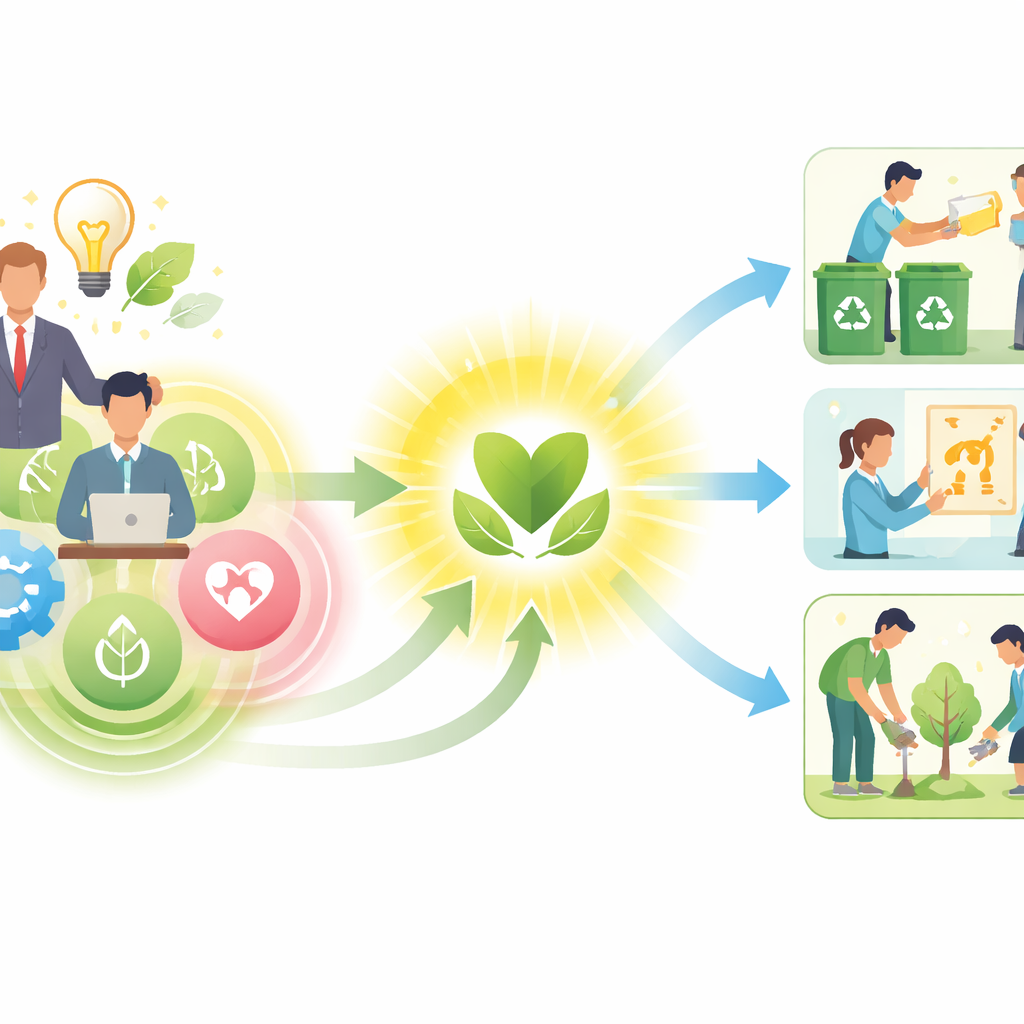
The study describes this pattern as a “domino effect.” When leaders emphasize environmental values and support their staff, employees feel more trusted to act, more able to handle green tasks, and more connected to colleagues working toward the same goals. These fulfilled needs, in turn, make people more likely to see environmental efforts as personally meaningful and enjoyable, rather than as extra chores. That inner drive then shows up in small but important behaviors, from switching off unused lights to inventing new ways to cut waste. Statistical tests show that this step‑by‑step pathway explains a sizable share of the link between leadership and green behavior, even while a more direct connection between the two also remains.
What this means for greener organizations
For a general reader, the takeaway is that green leadership is not only about bold speeches or strict rules. It is about shaping a workplace where people’s basic psychological needs are respected, so that environmental care becomes part of “who we are” at work. The article concludes that organizations aiming to support global sustainability goals should train and select leaders who grant employees real choice in eco‑initiatives, build their confidence to tackle environmental problems, and nurture a sense of belonging around shared green values. When these ingredients are in place, voluntary green behavior is more likely to flourish—and with it, cleaner cities and more sustainable organizations.
Citation: Hadi, N.U. Environmental transformational leadership and employee green behavior through psychological mechanisms. Sci Rep 16, 9209 (2026). https://doi.org/10.1038/s41598-026-39812-w
Keywords: environmental leadership, employee green behavior, workplace motivation, sustainability at work, self-determination theory