Clear Sky Science · en
AI-enabled learning analytics use relates to physical literacy and engagement in university PE via smart teaching and personalised feedback
Why Smart Sports Classes Matter
More and more universities are turning their sports classes into “smart gyms,” where wearable devices and phone apps track students’ movement in real time. This study asks a simple but important question: do these high-tech tools actually help students become more active, confident, and engaged in physical education—or do they just add pressure and surveillance to an already sensitive setting? Focusing on large Chinese universities where physical education is compulsory, the researchers explore how artificial intelligence–driven learning analytics shape students’ attitudes toward exercise and their experience in class.
From Wristbands to Workout Insights
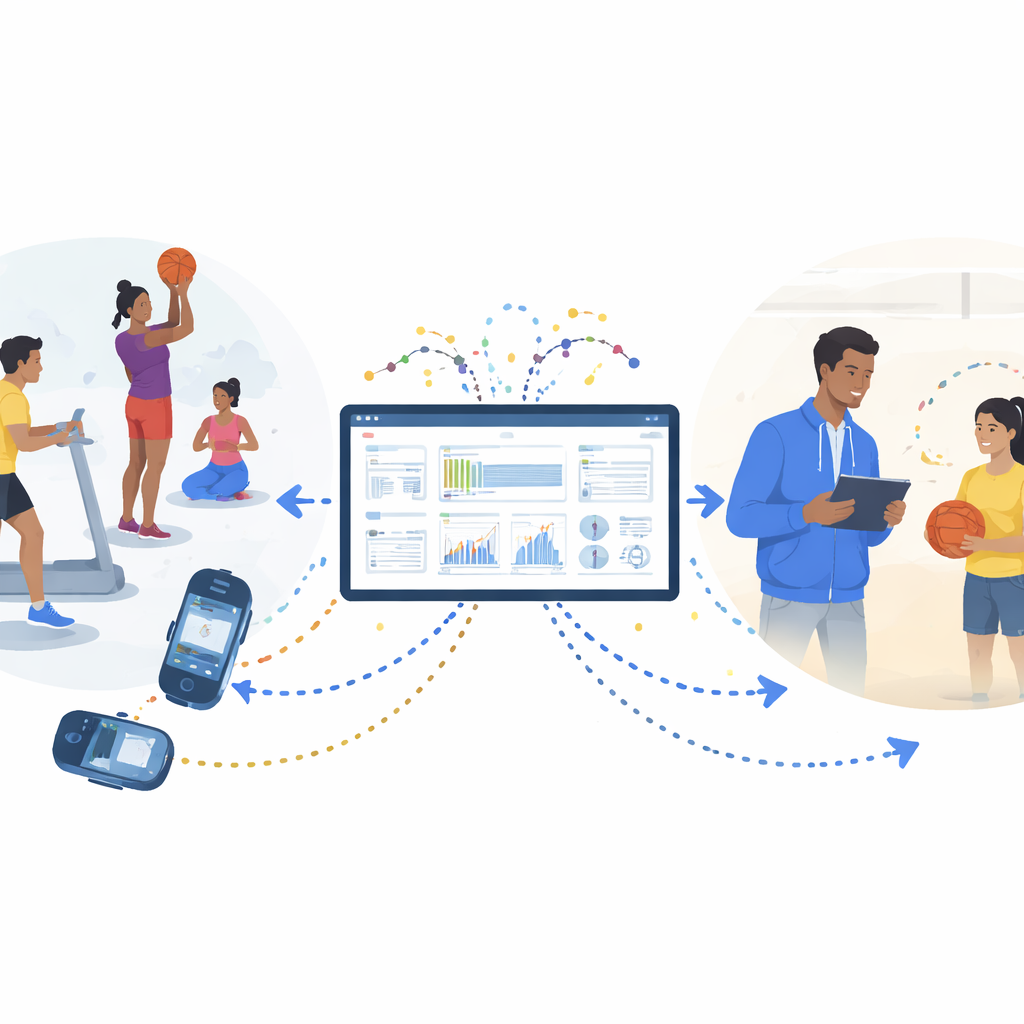
The smart physical education system studied here combines wrist-worn trackers, mobile check-ins, and an online platform. During classes such as basketball, running, yoga, badminton, football, and table tennis, devices record steps, heart rate, exercise duration, and posture. These data flow into dashboards that show weekly summaries, trends, and progress for both students and teachers. Artificial intelligence adds an extra layer: automated alerts when heart rate is too high or exercise time is too low, and suggested training plans or technique tips based on patterns in the data. In total, 1,182 students at four universities regularly using this system completed a detailed survey, and a smaller group of 12 students and six staff members took part in in-depth interviews.
Teaching Quality and Personal Feedback as the Missing Link
The researchers were especially interested in “physical literacy”—a broad idea that includes not only fitness, but also motivation, confidence, skills, and understanding that support an active life. They also measured how engaged students felt in their classes. Statistical models showed that simply using the analytics system—checking dashboards or receiving alerts—had very small and statistically weak links to either physical literacy or engagement. Instead, the real action lay in how teachers used the data and how feedback was delivered. When students felt their teachers were using the technology to tailor activities, adjust workloads, and explain progress clearly, they reported higher physical literacy and stronger involvement in class. Likewise, when students felt they were getting timely, specific, and practical feedback based on their own data, they were more confident and more willing to put effort into exercise.
When Numbers Help—and When They Hurt
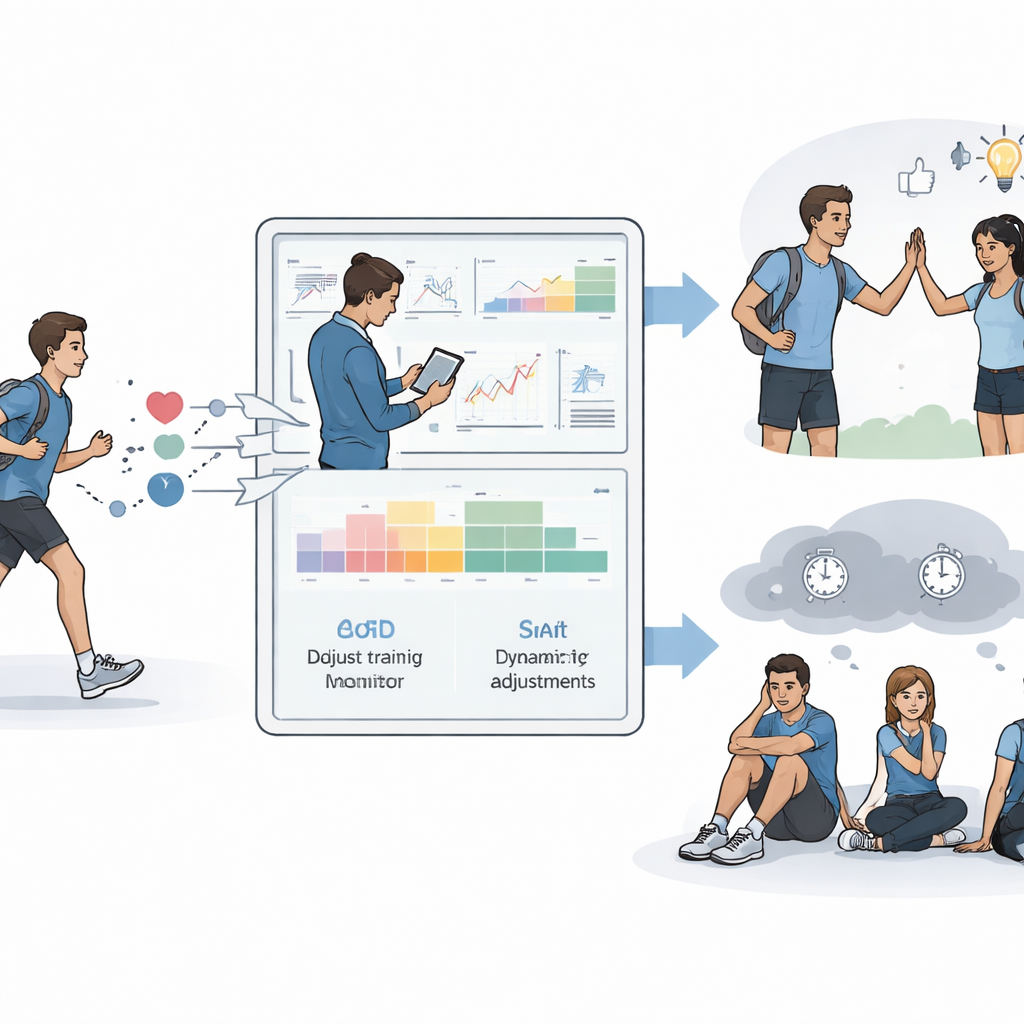
Interviews revealed how the same data could act as both a helpful guide and a source of stress. Many students described the system as a “mirror and coach”: seeing heart rate and pace after a run helped them notice improvement, fine-tune effort, and feel proud of small gains. Others, however, felt pressured by constant measurement and grade-linked targets. Generic messages like “target not reached,” especially when publicly visible or tied closely to marks, left some students doing the bare minimum just to pass. Concerns about device accuracy and fairness—such as trackers miscounting steps or not working well for different bodies—further shaped whether students trusted the numbers or saw them as arbitrary and discouraging.
The Human Factor Behind the Screens
Across student and teacher accounts, instructors emerged as gatekeepers who translated streams of numbers into meaningful learning experiences. When teachers took time to explain what indicators meant, discussed their limits, and set realistic goals with students, data became a tool for reflection rather than a source of anxiety. Private, personalised feedback based on the analytics often boosted confidence and motivation. In contrast, when data were used mainly for attendance checks, ranking, or rigid grading, students tended to view the system as surveillance rather than support. The study also highlights the importance of reliable technology, transparent assessment rules, and basic “data literacy” so students understand what is being measured and why.
What This Means for Students and Universities
For a lay audience, the takeaway is clear: wearing a tracker in gym class does not automatically make you healthier or more enthusiastic about exercise. High-tech physical education only supports long-term physical literacy when the data are woven into thoughtful teaching and genuine, person-to-person feedback. Universities that want to harness AI in sports classes should focus less on adding more features and more on helping teachers use existing data to coach students fairly, privately, and constructively. In other words, the real innovation is not the wristband itself, but how people on the ground—teachers and students—work together around the numbers to build confidence, skills, and a lasting appreciation for movement.
Citation: Chen, Y., Xian, D., Zhao, Y. et al. AI-enabled learning analytics use relates to physical literacy and engagement in university PE via smart teaching and personalised feedback. Sci Rep 16, 8341 (2026). https://doi.org/10.1038/s41598-026-39778-9
Keywords: smart physical education, learning analytics, wearable fitness data, physical literacy, AI in higher education