Clear Sky Science · en
Effects of using dextrose administration and outcome in out-of-hospital cardiac arrest patients with hypoglycemia during cardiopulmonary resuscitation
Why sugar matters when the heart stops
When someone’s heart suddenly stops outside the hospital, every second counts. Paramedics rush to start chest compressions, give oxygen, and deliver electric shocks if needed. But there is another, quieter player in this drama: blood sugar. This study from Bangkok asks a practical, life-or-death question for emergency crews everywhere—if a person in cardiac arrest has very low blood sugar, does giving an intravenous sugar solution during resuscitation help them survive long enough to leave the hospital?
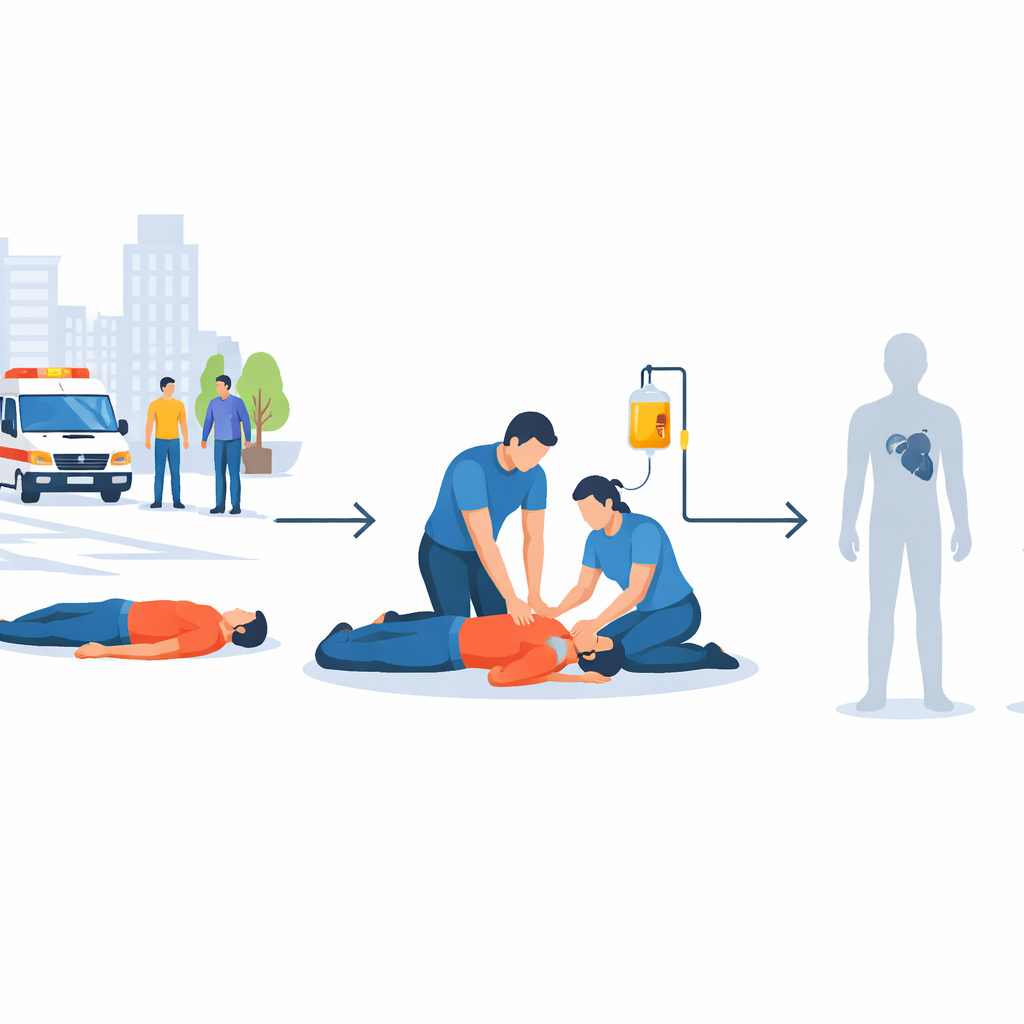
Heart emergencies before reaching the hospital
Out-of-hospital cardiac arrest is one of the deadliest medical emergencies worldwide, with survival rates often in the single digits. Modern emergency medical systems follow strict protocols that emphasize fast recognition, high-quality chest compressions, and rapid defibrillation. Alongside these steps, the American Heart Association recommends checking for “reversible causes” that might be corrected, such as dangerously low blood sugar (hypoglycemia). Yet, past research has painted a confusing picture—some studies linked giving sugar during cardiac arrest to worse outcomes, while scattered case reports suggested it might save lives in select patients. Clear evidence, especially from real-world ambulance care, has been missing.
What this study set out to test
Researchers reviewed four and a half years of records from an advanced ambulance service linked to Vajira Hospital in Bangkok. They focused on 246 adults who had non-traumatic cardiac arrest outside the hospital, received cardiopulmonary resuscitation (CPR), and had their fingertip blood sugar measured at the scene. By protocol, anyone with blood sugar at or below 70 mg/dL—a standard definition of hypoglycemia—was immediately given an intravenous bolus of concentrated dextrose (a form of glucose). These patients formed the dextrose group. The comparison group consisted of patients whose sugar levels were above 70 mg/dL and therefore did not receive dextrose.
How the researchers compared outcomes
The team wanted to know whether giving dextrose during CPR affected two key outcomes. The first was sustained return of spontaneous circulation (ROSC) at the scene—meaning the heart began beating effectively again and stayed that way for at least 20 minutes. The second and more meaningful outcome for families was survival to hospital discharge, tracked out to 30 days. Because the two groups differed in many ways—such as where the arrest happened, heart rhythm, and treatments received—the researchers used a statistical technique called propensity score weighting to make the groups more comparable and reduce the effect of confounding factors.
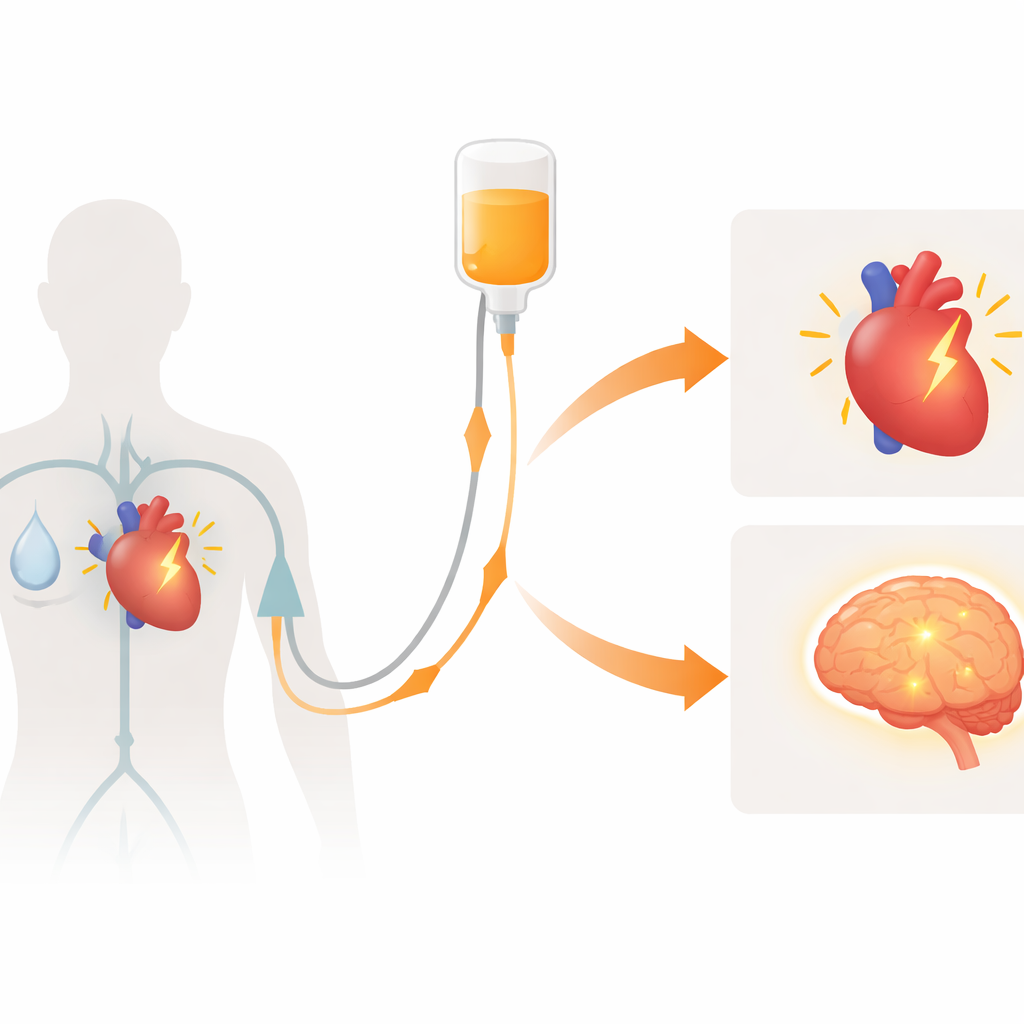
What they found about survival
Dextrose did not appear to help get the heart started again on the spot. Rates of sustained ROSC were almost identical in both groups, even after the statistical adjustments. In other words, sugar given during CPR did not make paramedics more likely to “restart” the heart at the scene. However, a striking pattern emerged when the researchers looked at who ultimately made it out of the hospital alive. Patients who received dextrose were nearly twice as likely to survive to discharge as those who did not. The benefit was especially dramatic among people with diabetes, where survival was much higher in those given dextrose compared with those who were not.
Why the timing and patients may matter
The authors suggest that low blood sugar during arrest may often be a consequence of the event, not the original trigger. Correcting it may not fix the immediate electrical and pumping failure of the heart, which is driven by complex damage from lack of oxygen. Yet improving blood sugar levels might support the brain and other organs in the hours after circulation is restored, tipping the balance between recovery and irreversible injury. The unusually high proportion of hypoglycemic patients in this Thai cohort—many of them older adults and people with diabetes—also hints that local patterns of illness and medication use may make sugar levels especially important in this setting.
What this means for real-world care
For lay readers and policymakers, the message is nuanced but hopeful. This study suggests that giving intravenous sugar during CPR to patients with very low blood sugar does not magically jump-start the heart, but it may improve the odds of leaving the hospital alive, particularly for those with diabetes. At the same time, the authors caution that their work is observational and from a single emergency system, so it cannot definitively prove cause and effect. High-quality chest compressions, rapid defibrillation when needed, and prompt emergency response remain the pillars of survival. Still, in the race to save a life, checking and correcting low blood sugar in the field may be an important supporting move rather than a distraction from the main game.
Citation: Huabbangyang, T., Jiujinda, T., Kotwieng, T. et al. Effects of using dextrose administration and outcome in out-of-hospital cardiac arrest patients with hypoglycemia during cardiopulmonary resuscitation. Sci Rep 16, 8063 (2026). https://doi.org/10.1038/s41598-026-39757-0
Keywords: out-of-hospital cardiac arrest, hypoglycemia, dextrose, emergency medical services, cardiopulmonary resuscitation