Clear Sky Science · en
Dengue fatality, health seeking behavior and spatiotemporal dynamics in nonendemic regions of Bangladesh during the 2023 outbreak
Why this deadly mosquito season matters
In 2023, Bangladesh experienced its worst-ever outbreak of dengue, a viral disease spread by mosquitoes. What makes this story important far beyond one country is how quickly the illness moved from a single crowded city into new regions, and how gaps in healthcare and late trips to the hospital turned many infections into preventable deaths. Understanding what happened offers lessons for any place facing fast-changing infectious diseases in a warming world.
From one city’s problem to a countrywide threat
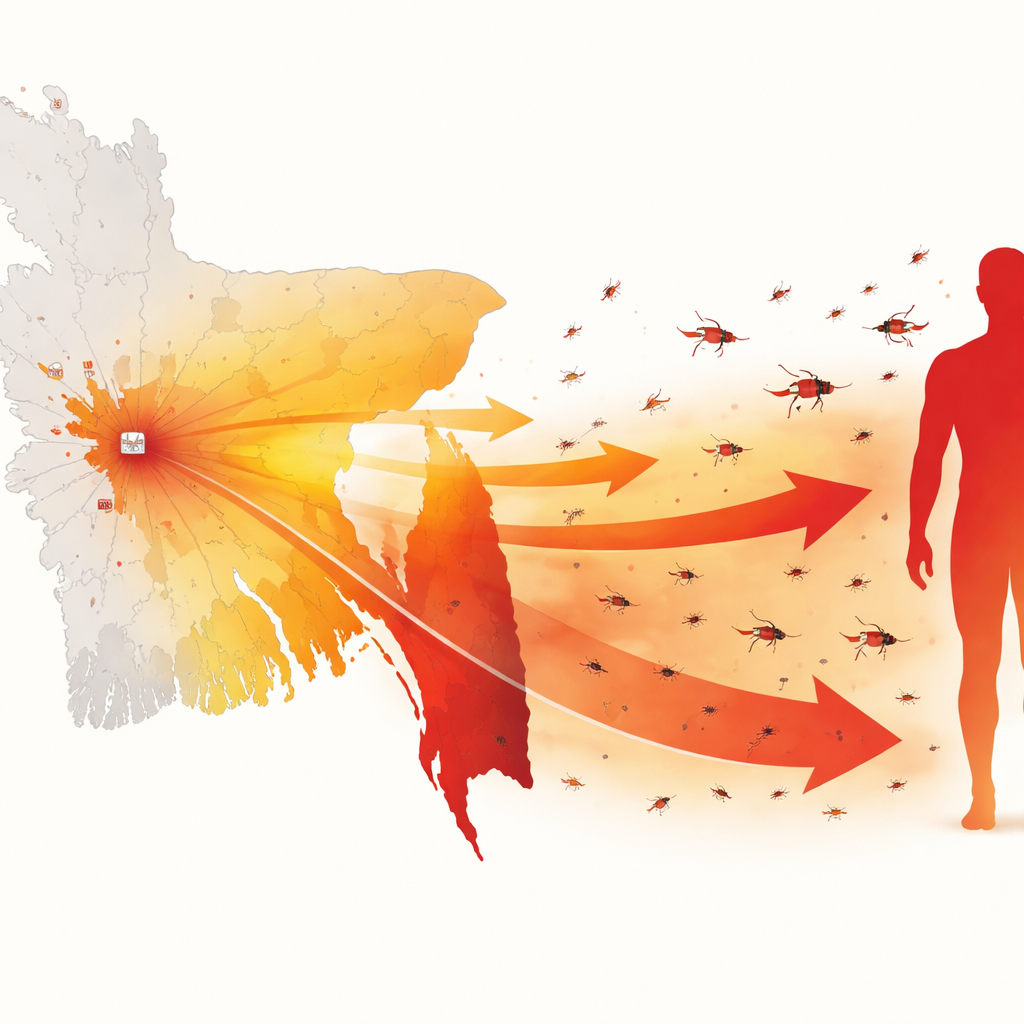
For years, most dengue cases in Bangladesh clustered in the capital, Dhaka. Using government hospital records from 2019 to 2023 and detailed mapping software, the researchers show that this pattern has changed dramatically. By 2023, hospitalized dengue cases outside Dhaka were about twice as numerous as those inside the city. Southern districts such as Chattogram, Barisal, Jhalokathi, Pirojpur, and Gopalganj emerged as strong and persistent hotspots, while a few northern districts remained relatively spared. This shift signals that dengue is now firmly established in many areas where it was once rare.
Climate, crowding, and travel shape new danger zones
Several forces help explain this geographic spread. Bangladesh’s warm, humid monsoon climate already favors the Aedes mosquitoes that transmit dengue, and climate change is expected to magnify that risk. Rapid, often poorly planned urbanization and overcrowded living conditions create plentiful breeding sites such as standing water in containers and construction areas. Mass travel during major holidays, when millions of people leave Dhaka for other parts of the country, appears to have carried the virus to new districts, where it then took hold. Refugee camps in Cox’s Bazar, with their extreme crowding and limited sanitation, provide a stark example of how quickly dengue can escalate once it arrives in a vulnerable setting.
Who was most at risk of dying
The team examined not only where dengue spread, but who died and why. Government data showed that men made up nearly 60% of hospitalized patients, yet women and older adults were more likely to die once hospitalized. Case fatality rates rose steadily with age and were highest in people over 60. Women accounted for the majority of recorded deaths, echoing other studies in parts of Asia that point to a complex mix of biology, health behavior, and social roles. In Dhaka, where hospitals and intensive care units are more concentrated, the absolute number of deaths was higher than in the rest of the country, even though more people fell ill outside the capital.
Late care, repeated referrals, and weak local systems
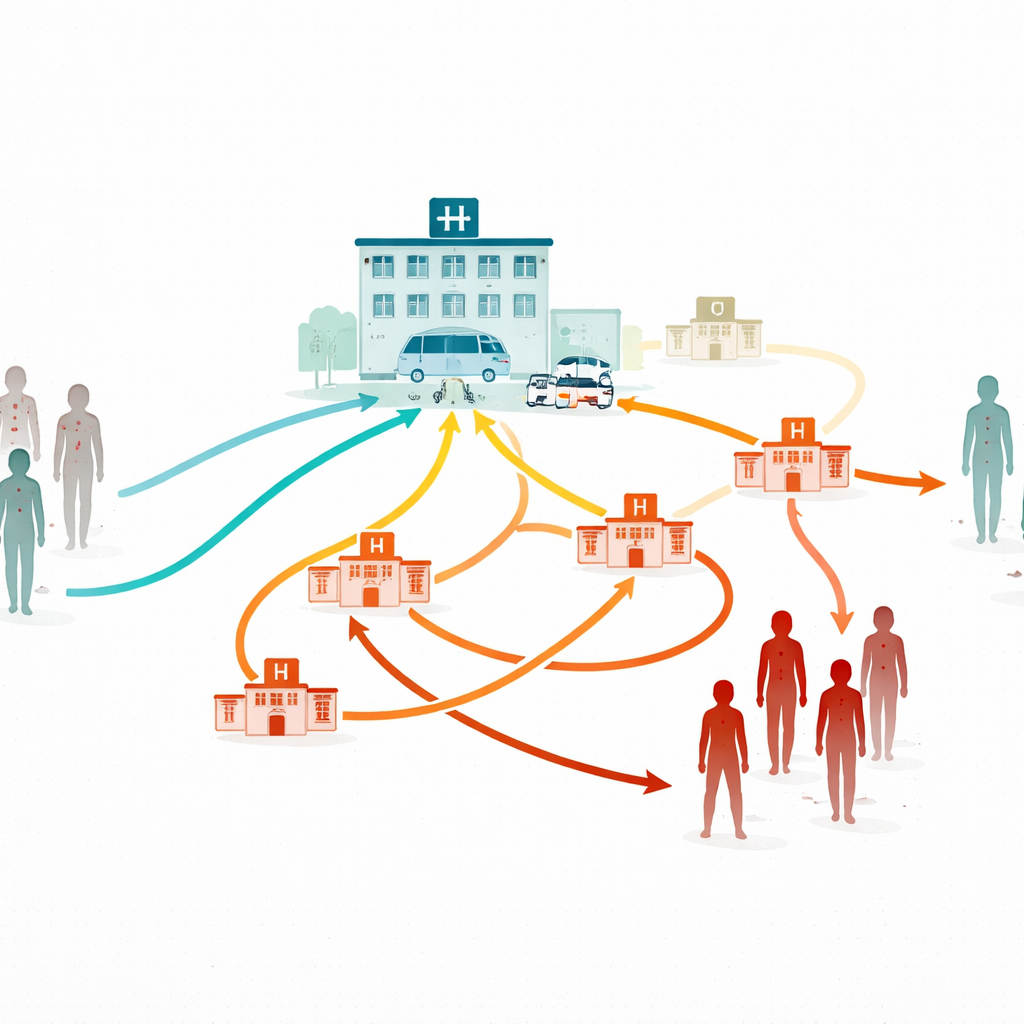
To dig into individual experiences, the researchers turned to a creative but sobering data source: detailed newspaper stories about people who died from dengue. From 71 such cases, they reconstructed patterns of care seeking. Nearly half of the patients went to the hospital only after their condition had clearly worsened, often when a dropping fever falsely suggested recovery but hidden internal damage was mounting. About half were shuttled between multiple hospitals before receiving intensive care, if they received it at all. More than half of the deaths occurred within three days of admission, a sign that patients were arriving critically ill and that local hospitals often lacked the equipment or training needed to rescue them. People outside Dhaka were especially likely to die quickly after admission, reflecting scarce specialist services at district level.
What needs to change before the next outbreak
To a non-expert, the message is clear: dengue in Bangladesh is no longer a confined, city-centered problem but a moving target shaped by climate, travel, and uneven healthcare. The 2023 outbreak shows that survival depends not just on the bite of an infected mosquito but also on how soon people recognize danger, how quickly they reach effective care, and whether nearby hospitals are ready for severe cases. The authors argue that expanding mosquito control and surveillance beyond big cities, building stronger diagnostic and critical care services in high-risk districts, and educating communities about early warning signs could together turn future outbreaks from national crises into more manageable public health challenges.
Citation: Hossain, M.S., Noman, A.A., Ahmed, A. et al. Dengue fatality, health seeking behavior and spatiotemporal dynamics in nonendemic regions of Bangladesh during the 2023 outbreak. Sci Rep 16, 9125 (2026). https://doi.org/10.1038/s41598-026-39712-z
Keywords: dengue outbreak, Bangladesh, mosquito-borne disease, healthcare access, climate and disease