Clear Sky Science · en
Reduced serum and skeletal muscle MOTS c levels in women with polycystic ovary syndrome are associated with mitochondrial dysfunction
Why this matters for everyday health
Polycystic ovary syndrome (PCOS) affects millions of women worldwide and is often discussed in terms of irregular periods, excess hair growth, and fertility problems. But PCOS also reshapes how the body handles sugar and fat, raising the risk of diabetes and heart disease. This study looks deep inside muscle cells to a tiny signal called MOTS-c, made by mitochondria—the cell’s “power stations”—to ask a simple question with big implications: are these internal signals disrupted in women with PCOS, and could that help explain their metabolic troubles? 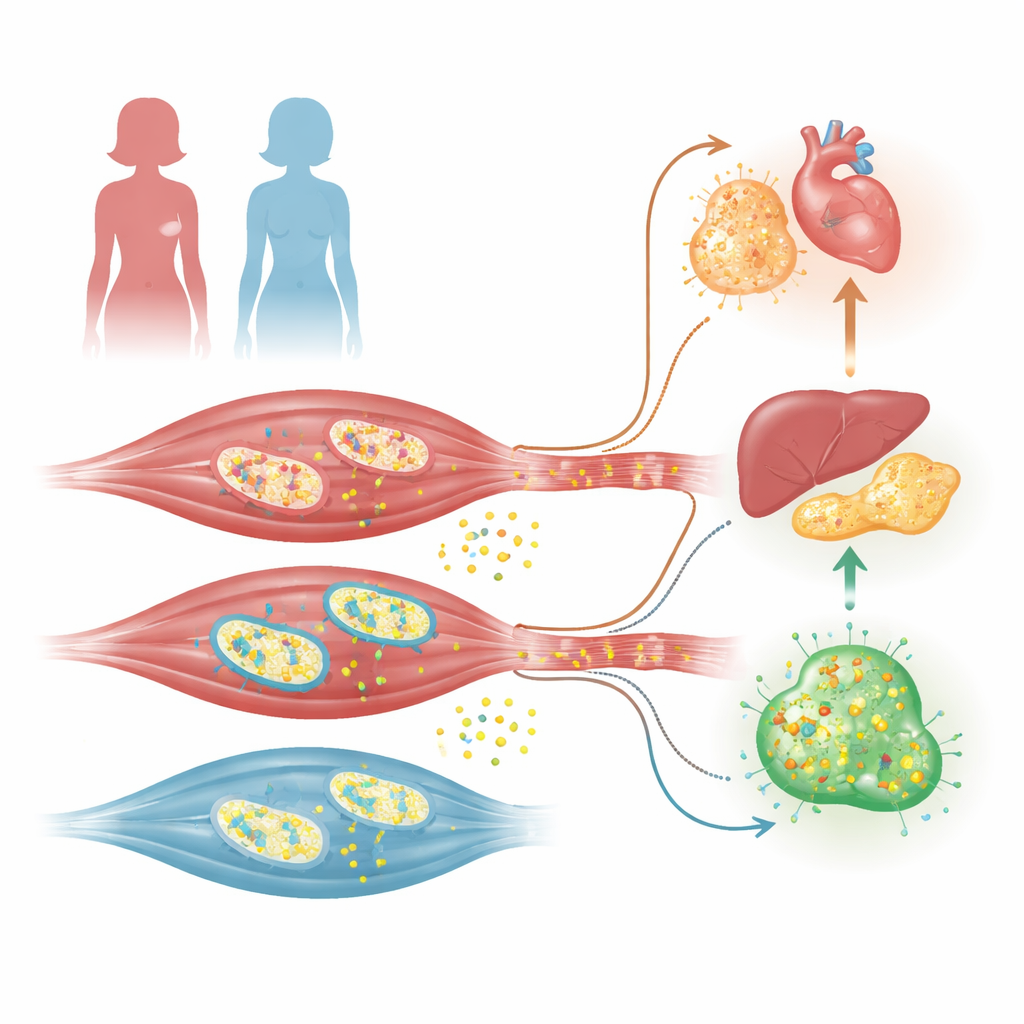
A closer look at PCOS beyond hormones
PCOS is usually defined by three features: infrequent or absent ovulation, higher levels of male-type hormones, and ovaries that contain many small fluid-filled sacs. Over the last decade, scientists have realized that PCOS is also a metabolic condition. Many affected women, even when young and not severely overweight, show insulin resistance, unhealthy cholesterol patterns, and greater belly fat, all of which increase the chance of developing type 2 diabetes and heart disease. These problems hint that the body’s energy systems, especially in muscles, are not working as they should. Because mitochondria are central to energy production, researchers have begun to suspect that subtle mitochondrial dysfunction may be part of the PCOS puzzle.
A small mitochondrial signal with a big role
Recent work has revealed that mitochondria do more than generate energy—they also send out small protein signals, known as mitochondrial-derived peptides, that help coordinate how cells respond to stress and manage fuel use. One of these, called MOTS-c, is especially active in skeletal muscle and can be detected in the bloodstream. In animal studies, extra MOTS-c improves insulin sensitivity, helps prevent weight gain on a high-fat diet, and boosts physical performance. This makes MOTS-c an attractive candidate for understanding why some people, including many with PCOS, struggle with blood sugar control and lipid balance despite being relatively young and otherwise healthy. 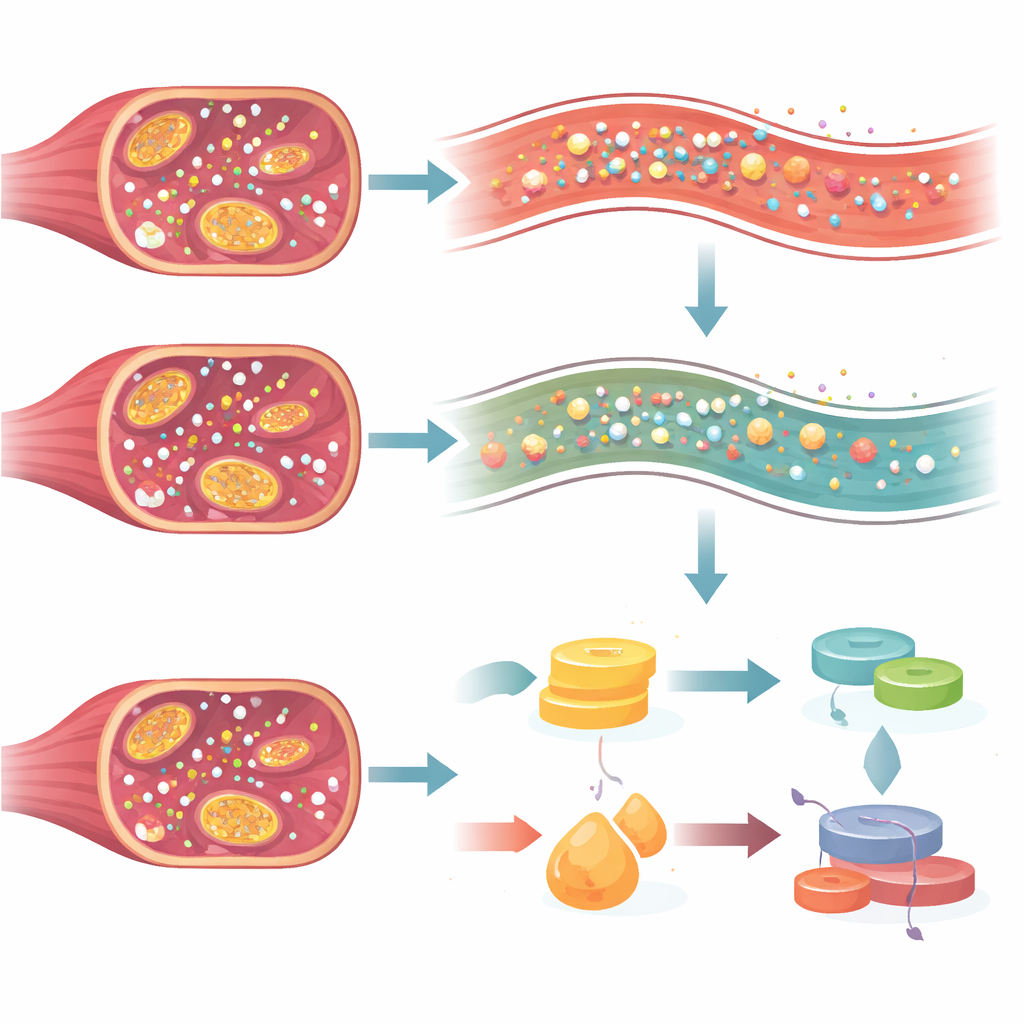
What the researchers measured in women
To test whether MOTS-c is altered in PCOS, the researchers compared 40 women with PCOS to 40 healthy women of similar age and body mass index. They carefully documented hormone levels, body measurements, blood sugar and insulin responses, and blood fats such as cholesterol and triglycerides. All participants were relatively inactive, so differences in exercise habits would not cloud the results. Blood samples were used to measure circulating MOTS-c. In a smaller subgroup of six women with PCOS and six controls, the team also took tiny biopsies from a thigh muscle to directly assess MOTS-c levels inside muscle tissue using protein analysis techniques.
What they found inside blood and muscle
Women with PCOS had much lower MOTS-c levels in their blood—less than half the levels seen in the control group. Importantly, this drop was mirrored inside skeletal muscle: muscle samples from women with PCOS showed clearly reduced MOTS-c compared with those from healthy women. When the researchers looked at how blood MOTS-c related to other measures, they found that women with higher testosterone or higher total cholesterol tended to have lower MOTS-c. There were similar trends for insulin levels and other blood fats, and women who reported slightly more physical activity had modestly higher MOTS-c, even though all were in a low-activity range. After taking age and body weight into account, PCOS status itself and physical activity remained linked to MOTS-c levels, suggesting the changes are not simply due to weight differences.
What this could mean for understanding PCOS
The combined findings suggest that women with PCOS have a shortfall of this protective mitochondrial signal both in their circulation and in their muscles. Because MOTS-c normally helps muscles burn sugar and fat efficiently and supports healthy energy regulation, reduced levels may contribute to the insulin resistance and unfavorable cholesterol patterns that are so common in PCOS. The study does not prove cause and effect—it is still unclear whether low MOTS-c helps drive PCOS-related metabolic problems or results from them—but it raises the possibility that MOTS-c could serve as a marker of mitochondrial stress in muscle and perhaps a future target for treatment.
Take-home message for non-specialists
In simple terms, this research shows that a tiny signal made by the cell’s energy factories is consistently lower in women with PCOS, both in the blood and inside muscle. Since this signal, MOTS-c, is known to help the body handle sugar and fat, its shortage may be one reason why many women with PCOS face higher risks of diabetes and heart disease. Future studies will need to test whether lifestyle changes or new therapies can boost MOTS-c and whether doing so improves health outcomes, but this work adds an important piece to the growing picture of PCOS as a whole-body metabolic condition rather than only a reproductive disorder.
Citation: Kutuk, I.S., Akin, S., Demirel, H. et al. Reduced serum and skeletal muscle MOTS c levels in women with polycystic ovary syndrome are associated with mitochondrial dysfunction. Sci Rep 16, 8593 (2026). https://doi.org/10.1038/s41598-026-39687-x
Keywords: polycystic ovary syndrome, mitochondria, skeletal muscle, insulin resistance, MOTS-c