Clear Sky Science · en
The impact of digital organizational culture on the performance of university libraries
Why Library Culture in the Digital Age Matters
University libraries are no longer just quiet rooms filled with shelves of books. They are becoming high‑tech hubs where students expect instant online access, data‑rich tools, and smooth digital services. This study looks at how the “digital culture” inside university libraries shapes their ability to keep up. By surveying library leaders across Pakistan, the researchers explore which conditions help libraries embrace digital ways of working—and how that shift ultimately improves services for students and staff.
From Bookshelves to Digital Hubs
Digital culture refers to the shared habits, values, and routines that grow around technology use in an organization. In libraries, it includes everything from offering e‑books and online databases to using data analytics, cloud services, and hybrid on‑site/online work. The authors argue that technology alone is not enough; people must be willing and prepared to use it, and the wider environment must support it. When these pieces come together, libraries can reduce human error, give users faster access to information, and make better decisions based on data.
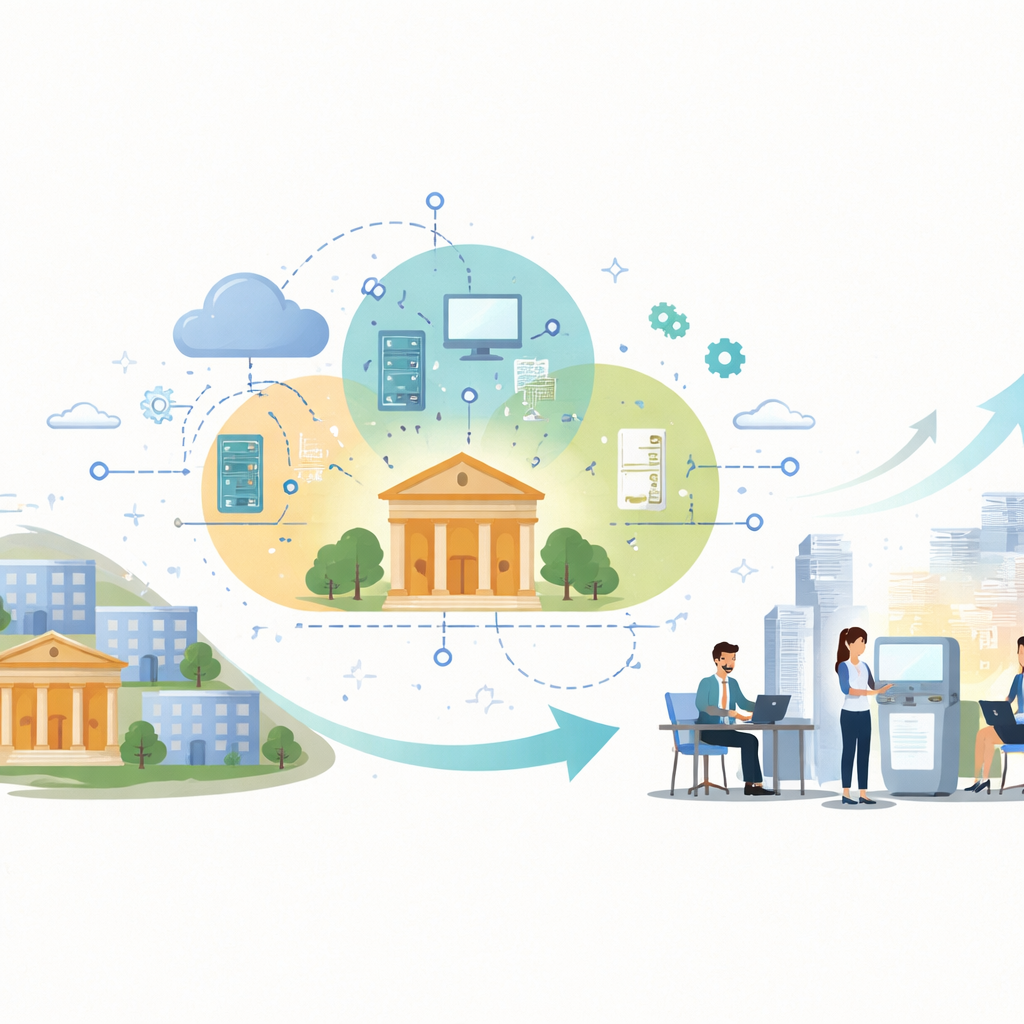
The Three Pillars Shaping Digital Change
To make sense of this shift, the study uses a well‑known lens called the Technology–Organization–Environment (TOE) framework. The “technology” pillar covers tools and systems and how well they fit existing work. The “organization” pillar includes leadership, staff skills, and financial readiness. The “environment” pillar captures outside forces such as market changes, competition, and government support. The authors adapt this framework to the library setting, building a model that links these three pillars to the adoption of digital culture and, in turn, to better performance.
What Library Leaders Reported
The researchers surveyed 278 chief or in‑charge librarians at Pakistani universities, asking about their perceptions of digital tools, readiness, and pressures from their surroundings. Using advanced statistical modeling, they tested a set of hypotheses about how different factors interact. They found that when digital tools are seen as compatible with existing practices, libraries are more likely to tackle complex changes and rethink how work is organized. This complexity, in turn, pushes top managers to get involved, shaping strategy and resource allocation for digital initiatives. Interestingly, the simple belief that new tools offer a “relative advantage” did not by itself sway leadership strategies, highlighting that culture change is about more than just better gadgets.
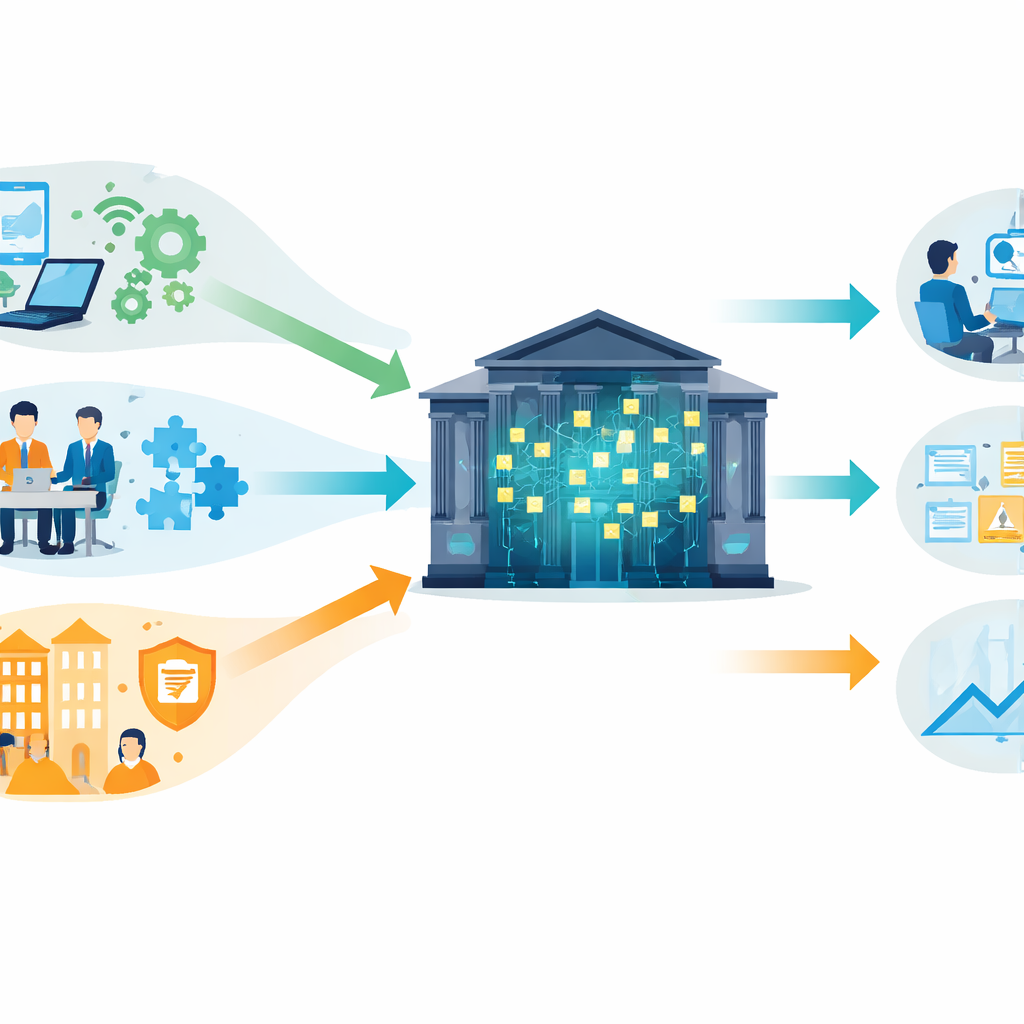
Leadership, Skills, and the Outside World
The study also shows that organizational factors—especially the role of top management—are crucial. Library leaders who actively champion digital projects strongly influence whether digital culture truly takes root. Technical skills among staff matter, but they do not automatically guarantee more funding, suggesting that budgets are driven by wider institutional priorities. On the environmental side, the authors expected regulatory support and market forces to strongly drive change, but these links were weaker than anticipated. Instead, internal readiness and leadership commitment appear more decisive for libraries than outside pressure alone.
What This Means for Library Users
For everyday students and researchers, the findings translate into a simple message: better digital culture inside the library means faster, more reliable, and more tailored information services. When technology, internal organization, and the surrounding context are aligned, libraries can move beyond basic digitization to offer rich online resources, smoother research support, and more responsive help. The authors conclude that universities should treat digital culture as a long‑term, people‑centered project—investing not only in tools, but also in policies, training, and leadership—to ensure that libraries remain vital gateways to knowledge in an increasingly digital world.
Citation: Tara, N., Ahmad, K., Aljarboa, S. et al. The impact of digital organizational culture on the performance of university libraries. Sci Rep 16, 9159 (2026). https://doi.org/10.1038/s41598-026-39685-z
Keywords: digital culture, university libraries, organizational performance, technology adoption, information services