Clear Sky Science · en
A multi-phase, multi-method assessment of national COVID-19 vaccination performance with equity analysis
Why this global vaccine story matters
The COVID-19 pandemic hit every country, but not every country coped equally well. Vaccines promised a way out, yet the speed and fairness of vaccination campaigns varied dramatically around the world. This paper takes a step back and asks: how did 143 nations actually perform before, during, and after mass vaccination—and were vaccines shared fairly? Using large international datasets and modern data-analysis tools, the authors build a scoreboard of national responses and probe the roots of success, failure, and inequality.
Looking at the pandemic in three chapters
Instead of treating the pandemic as one long emergency, the study divides it into three chapters: the period before vaccines existed, the rollout of vaccination, and the later period when many people had at least some immunity. For each chapter, the authors examine how countries fared in controlling infections and deaths, keeping health systems functioning, and limiting social and economic damage. They also factor in each nation’s starting point—such as wealth, population structure, and basic health conditions—so that comparisons are fairer. This time-sliced view reveals that a country doing well early on did not always stay on top once vaccines arrived.
Grouping similar countries for fairer comparison
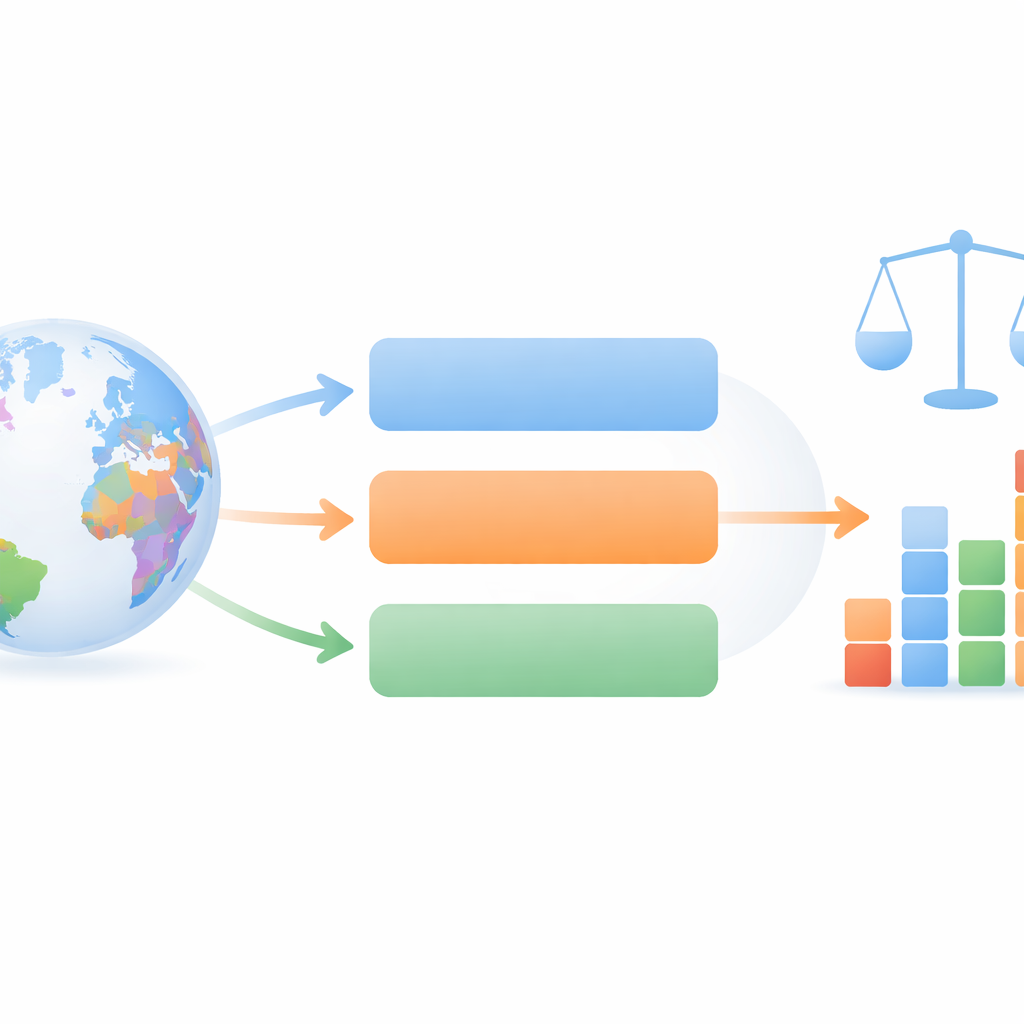
To avoid lumping together nations with vastly different resources, the researchers first group countries into three broad clusters based on dozens of indicators. These include health capacities like hospital testing, economic strength such as income per person and poverty rates, social conditions like access to clean water, and built-in vulnerabilities taken from a specialized risk index. By clustering similar nations, a low-income country is judged against its peers rather than against the richest states. Within each cluster, the team then ranks performance using several independent scoring methods, reducing the chance that any single mathematical recipe skews the results.
What drove strong or weak performance
The analysis shows that no single factor explains national success. Strong health systems, flexible economies, and quick, wide vaccine coverage tended to move countries up the rankings and keep their positions stable. A key addition in this work is a detailed set of risk indicators that capture how exposed and fragile each country was even before the virus struck. These risk measures—covering preparedness, social vulnerability, and ability to cope—turn out to be more influential than many traditional statistics. In short, the groundwork laid long before 2020, from public health investment to social safety nets, strongly shaped how well nations weathered all three phases of the crisis.
Following changes in performance over time
Because the framework is dynamic, it can track how countries shift between clusters and move up or down within their peer group as conditions change. Some countries climbed from more vulnerable groups into stronger clusters as they expanded testing, enforced public health rules, and rolled out vaccines efficiently. Others slid in the opposite direction when health systems were overwhelmed or economic strain mounted. Nations that launched mass vaccination early and maintained high coverage generally experienced fewer swings in performance, although the authors stress that this pattern reflects correlation rather than ironclad proof of cause and effect.
Unequal access to life-saving shots
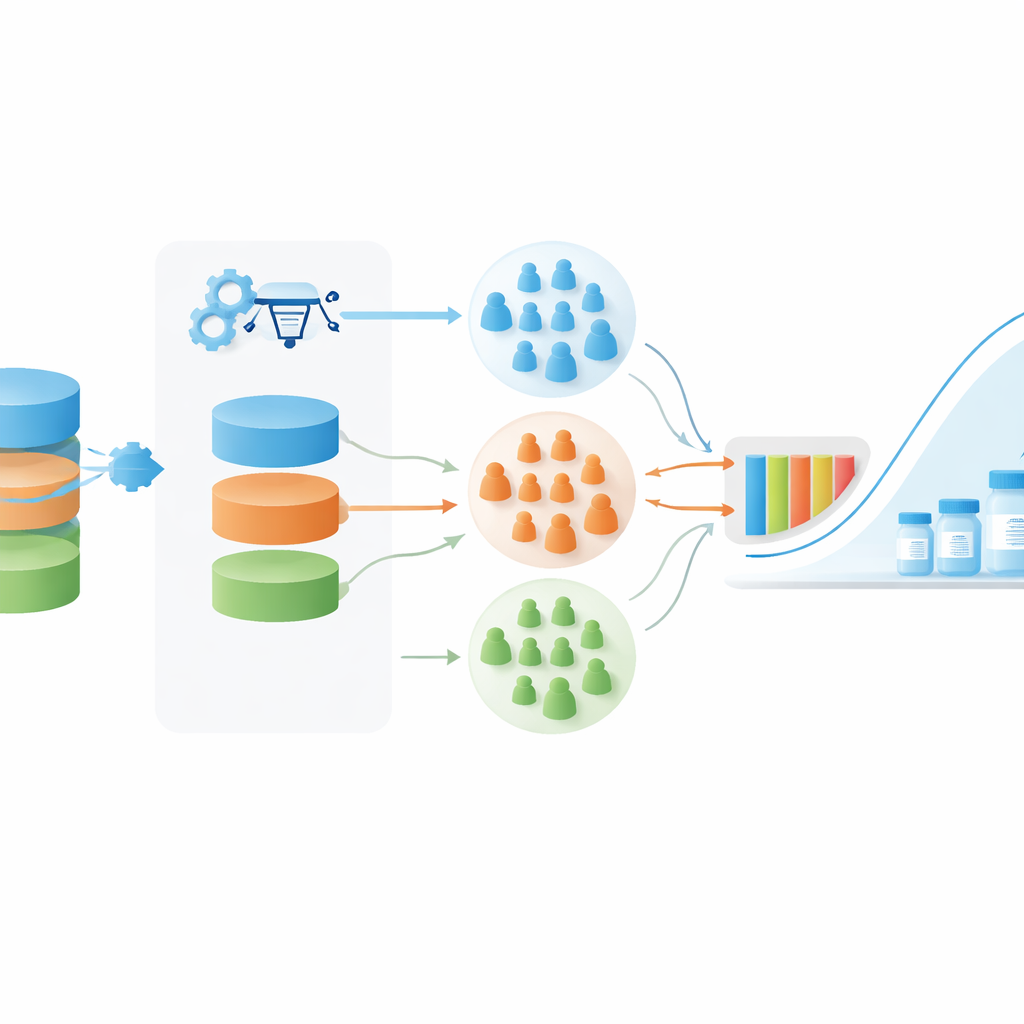
Beyond ranking performance, the study asks whether vaccines were shared fairly. Using a standard measure of inequality, the authors show that global vaccine distribution was far from even. Some groups of countries received doses in relatively balanced fashion, but others saw stark gaps, where a few states obtained far more shots per person than their peers. When all 143 countries are considered together, the level of inequality is substantial. The authors argue that these imbalances reflect deep structural barriers—such as limited manufacturing, supply-chain problems, and intellectual property rules—rather than isolated policy missteps.
What this means for the next health crisis
In plain terms, the study concludes that pandemic outcomes depended not just on emergency decisions made in 2020 and after, but on how prepared and resilient countries were beforehand—and on how fairly vaccines and other tools were shared. Nations with stronger health systems, adaptable economies, and rapid vaccine rollout generally performed better and more steadily. Yet significant vaccine inequality left many poorer countries behind. The authors propose their framework as a reusable monitoring tool that governments and international agencies can apply to future outbreaks, helping to spot weaknesses early, target support where it is most needed, and push for more just access to life-saving interventions worldwide.
Citation: Rasouli, M., Salehi, A., Rafiee, M. et al. A multi-phase, multi-method assessment of national COVID-19 vaccination performance with equity analysis. Sci Rep 16, 8140 (2026). https://doi.org/10.1038/s41598-026-39677-z
Keywords: COVID-19 vaccination, pandemic response, global health equity, data-driven policy, vaccine distribution