Clear Sky Science · en
Prevalence and prognosis of genetically proven familial hypercholesterolemia in subjects with angiographically documented premature coronary artery disease
Why Young Hearts and Inherited Cholesterol Matter
Heart attacks are usually thought of as a problem of old age, yet some people develop serious heart artery blockages in their 30s and 40s. This study looks at one important reason why: a strong inherited tendency toward high “bad” cholesterol. The researchers asked how often such genetic changes appear in younger adults who already have severe coronary artery disease, and whether carrying these changes alters their chances of long‑term survival.
Who Was Studied and What Was Measured
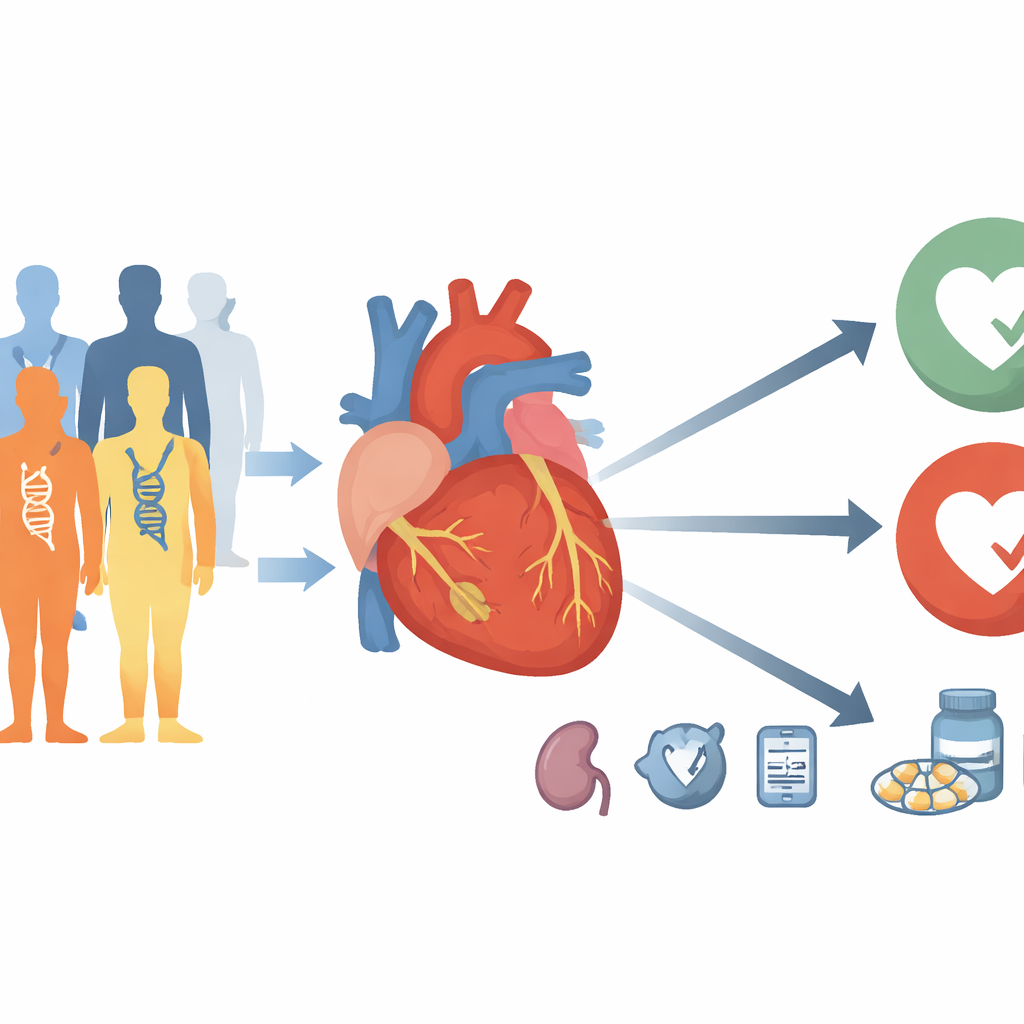
The team examined 266 patients treated at a hospital in Taiwan who developed significant coronary artery disease at an unusually young age—before 45 in men and before 55 in women, with blockages confirmed by heart artery imaging. Using modern DNA sequencing, they searched for known harmful changes in three key genes that control how the body clears LDL cholesterol from the blood. They then linked these genetic findings with detailed medical records and national death registries to track overall deaths and deaths from heart and blood vessel disease over a median of just over five and a half years.
How Common Inherited Cholesterol Changes Were
Among these younger patients with serious artery narrowing, 18 people—about 7 percent—carried a clearly harmful or likely harmful variant in one of the familial hypercholesterolemia genes. All were heterozygous, meaning they had one altered copy and one normal copy. These carriers had much higher LDL cholesterol readings, both at the time of their heart procedure and at their highest recorded level, than those without such variants. They were also more likely to be on strong cholesterol‑lowering drugs. Interestingly, they tended to have lower average long‑term blood sugar (measured by HbA1c) and a lower rate of diagnosed diabetes than non‑carriers.
What Predicted Who Lived and Who Did Not
Over the follow‑up period, 35 patients died, 20 of them from cardiovascular causes. The main differences between those who died and those who survived were not their cholesterol genes, but their overall health of the heart, kidneys, and blood sugar control. People who died were more likely to have diabetes and high blood pressure, weaker pumping function of the heart, poorer kidney filtration, and higher HbA1c levels. Detailed survival analyses showed that better kidney function and a stronger heartbeat were linked to lower overall death risk, while higher HbA1c was linked to higher risk. For deaths specifically from heart and vessel disease, better heart function and taking cholesterol‑lowering statin drugs were tied to improved survival.
What the Gene Findings Did—and Did Not—Show
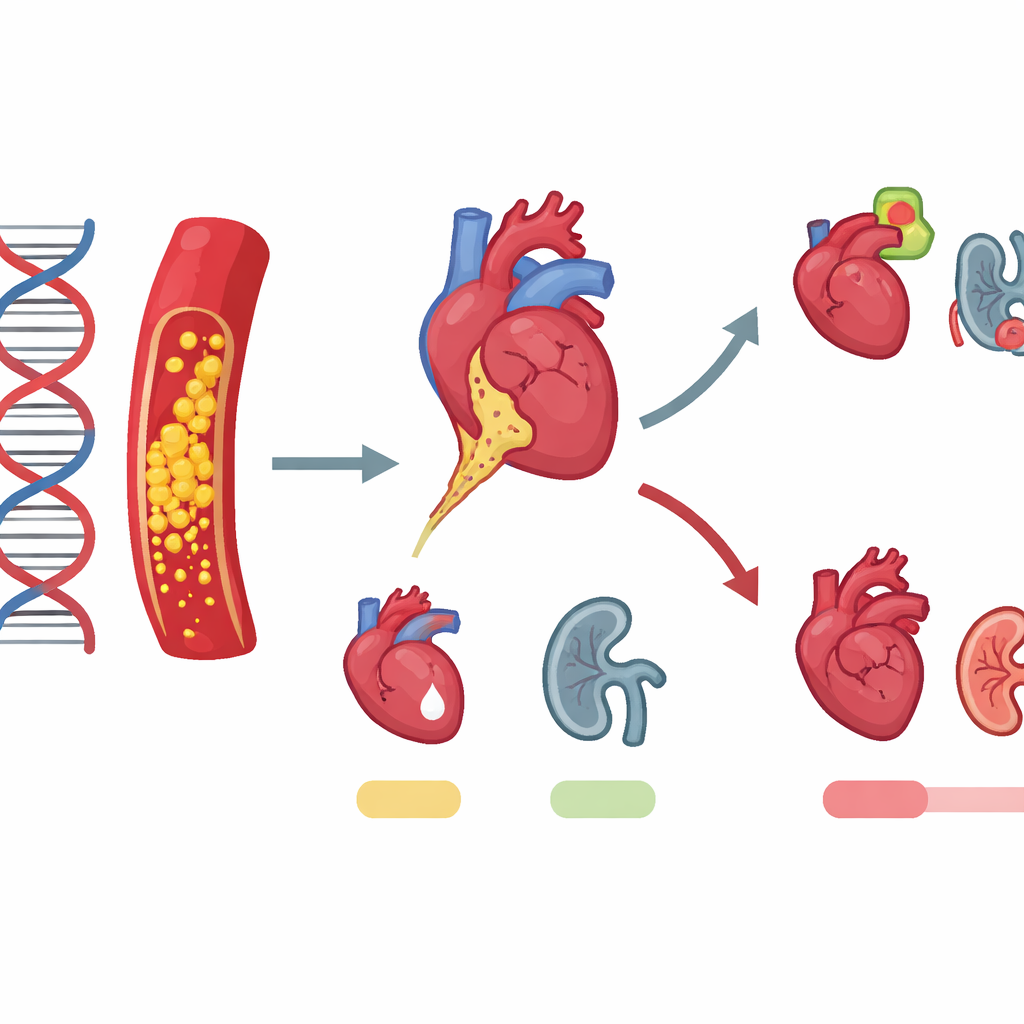
Despite their very high LDL cholesterol, patients with confirmed familial hypercholesterolemia variants did not have a measurably different survival rate than those without such variants during the study period. This may be partly because they were more often treated with intensive statin therapy and had fewer problems with blood sugar. The types and frequencies of the gene changes found matched patterns previously reported in Taiwanese and other East Asian groups, reinforcing that some specific variants are repeatedly associated with very high LDL cholesterol in these populations.
What This Means for Patients and Families
For a lay reader, the key message is that inherited cholesterol problems are fairly common among people who develop serious heart artery disease at a young age, but genes alone do not seal one’s fate. In this group, survival was driven more by how well the heart pumped, how well the kidneys filtered, how tightly blood sugar was controlled, and whether patients received statins, than by whether they carried a known cholesterol gene variant. The study underscores the value of finding such variants to identify at‑risk families early, while also highlighting that aggressive treatment of cholesterol, diabetes, blood pressure, and other risk factors can substantially shape outcomes for people with premature coronary artery disease.
Citation: Liang, KW., Chuang, HN., Hsiao, TH. et al. Prevalence and prognosis of genetically proven familial hypercholesterolemia in subjects with angiographically documented premature coronary artery disease. Sci Rep 16, 8804 (2026). https://doi.org/10.1038/s41598-026-39666-2
Keywords: familial hypercholesterolemia, premature coronary artery disease, genetic testing, cholesterol management, statin therapy