Clear Sky Science · en
From fish to invertebrates: multi-marker eDNA metabarcoding for monitoring wetland biodiversity and non-indigenous species in Macao SAR China
Why hidden DNA in water matters to city life
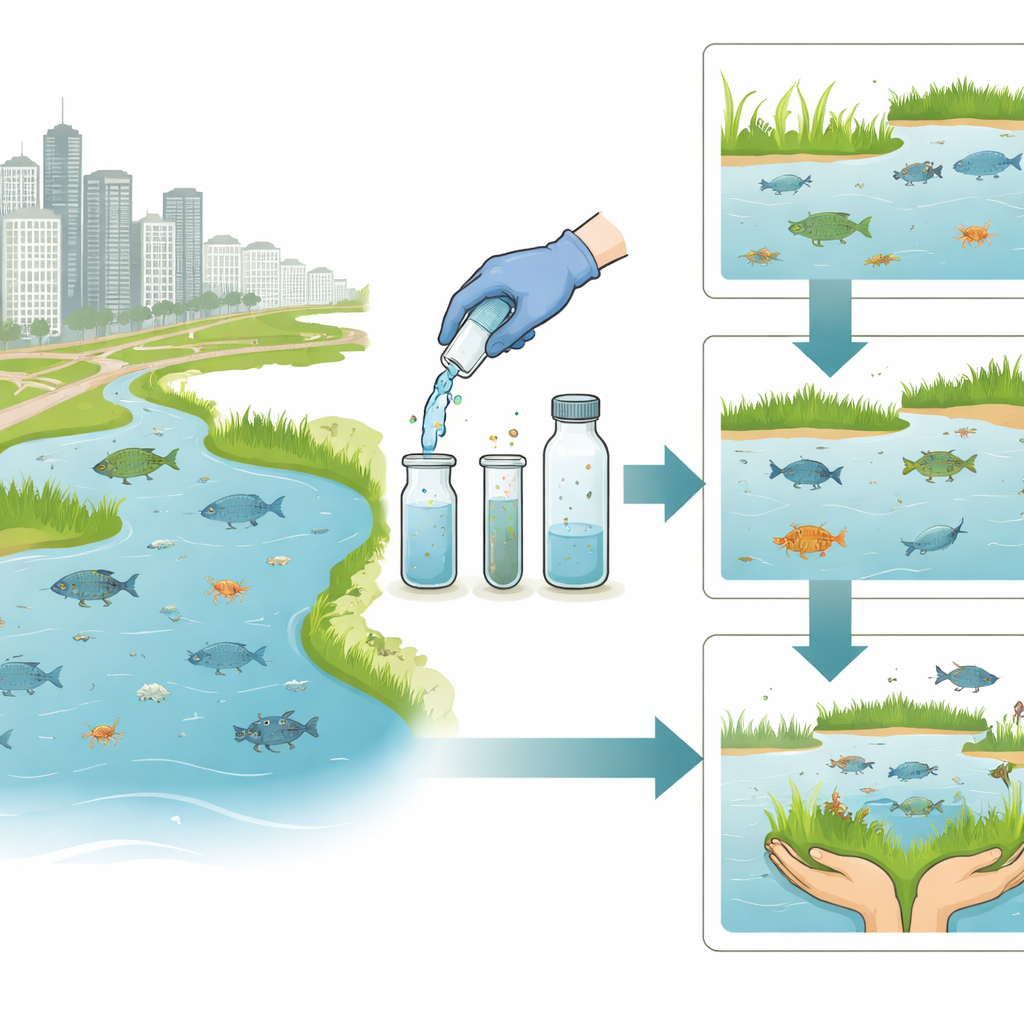
In a city as crowded as Macao, it can be easy to forget that life also thrives below the water’s surface. Yet the remaining ponds, rivers, and coastal shallows quietly support fish, crabs, snails, insects, and even migratory birds. This study shows how traces of genetic material floating in the water—known as environmental DNA, or eDNA—can reveal a detailed picture of that underwater world. By reading this genetic "fingerprint," scientists can track native wildlife, spot invasive species, and guide decisions about how to protect urban wetlands that are shrinking and under heavy human pressure.
City wetlands under pressure
Macao sits at the edge of the Pearl River Estuary, where river water and the sea constantly mix. Historically, this setting supported extensive wetlands, but rapid urban growth and land reclamation have wiped out about half of them. The remaining wetlands are now small, fragmented pockets squeezed between dense development and busy waterfronts. Despite their size, they help control floods, filter pollution, support fisheries, and provide critical stopovers for migratory birds that travel along the East Asian–Australasian Flyway. With new planning rules finally drawing lines between construction zones and protected areas, there is an urgent need to understand what species still live in these scattered water bodies.
Reading life from a glass of water
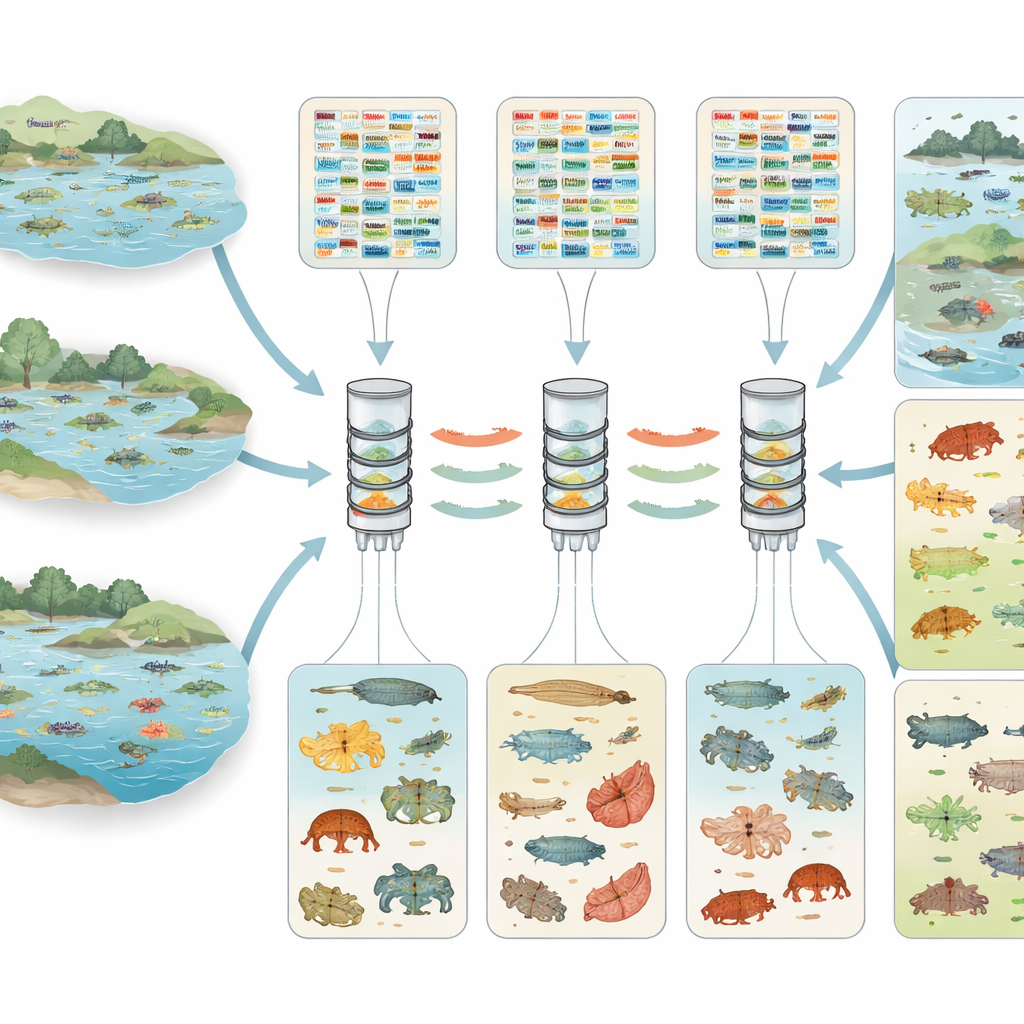
Traditional wildlife surveys in murky, hard‑to‑reach waters often miss shy, rare, or nocturnal species and can be costly and disruptive. In this project, researchers took a different approach: instead of chasing animals, they sampled the water itself. From nine wetland sites—ranging from inland reservoirs to open coastal lagoons—and in both summer and winter, they collected bottles of water and captured the microscopic fragments of skin, scales, waste, and other material that organisms leave behind. In the lab, they focused on three stretches of genetic code that act like barcodes for different groups of animals, allowing computers to match millions of DNA sequences to known species in global databases.
Who lives where in Macao’s waters
The eDNA survey uncovered a rich cast of characters: 85 fish species, 9 other vertebrates, and 298 invertebrate species, from insects and worms to snails and tiny plankton. Different parts of Macao hosted distinctly different communities. The only fully protected freshwater reservoir, for example, had a small but unique group of native fish found almost nowhere else in the city. Larger or more connected wetlands, especially along the coast, supported far more species overall. When the team compared inland and coastal sites, they saw clear splits in which species were present, reflecting contrasting conditions such as salinity, water movement, and nutrient levels.
Invasive guests and shifting seasons
Not all the detected residents belonged there. The study found 18 non‑indigenous fish species, including several known invaders that are common in fish farms, aquariums, or religious release rituals. Some sites with open public access and heavy recreation were dominated by these outsiders, while a tightly controlled reservoir remained free of them. This suggests that human activity, more than geography alone, is helping non‑native species spread and homogenize fish communities across Macao. In contrast, invertebrates—especially mobile creatures such as insects, crustaceans, and snails—showed pronounced seasonal changes in coastal wetlands, likely responding to shifting salinity, river flows, and temperature between the wet and dry seasons. Inland invertebrate communities stayed comparatively stable through the year.
What we still cannot see
Despite the impressive species list, the study also revealed how much remains hidden. More than half of the invertebrate genetic sequences could not be confidently matched to known species because reference databases for the region are incomplete. When the researchers compared their eDNA results with years of traditional field observations in the same area, only 76 species overlapped. Each method was catching different parts of the true community, highlighting both the power and the current blind spots of DNA‑based monitoring.
What this means for urban nature
For a non‑specialist, the key message is that a few liters of water can now tell us which species are using a wetland, how human actions are altering those communities, and where vulnerable native life still hangs on. In Macao, eDNA has exposed both a worrying spread of non‑native fish and the continued presence of unique local species that depend on small, fragmented refuges. The authors argue that cities should combine eDNA surveys with traditional field work, invest in better local DNA reference libraries, and broaden sampling to sediments and other materials. Doing so will provide a fuller, faster picture of urban biodiversity, helping planners and communities decide how to restore connectivity, curb invasive species, and safeguard the quiet but vital life of their remaining wetlands.
Citation: Leong, M.K., Lau, I.H., Costa, F.O. et al. From fish to invertebrates: multi-marker eDNA metabarcoding for monitoring wetland biodiversity and non-indigenous species in Macao SAR China. Sci Rep 16, 9309 (2026). https://doi.org/10.1038/s41598-026-39652-8
Keywords: urban wetlands, environmental DNA, biodiversity monitoring, invasive species, Macao Pearl River estuary