Clear Sky Science · en
Post-processing effects of Aloe vera on biofilm formation and physical properties of 3D-printed dental resins
Why clear smiles and smart materials matter
Clear plastic dental devices—like retainers, aligners, and night guards—are spending more and more time in our mouths. Patients want them to stay invisible, comfortable, and clean even after years of coffee, wine, and daily wear. This study explores a surprisingly simple idea: can ordinary Aloe vera gel, better known from sunburn remedies and cosmetics, be used in the manufacturing process of 3D-printed dental plastics to keep them clearer for longer without making them more prone to bacterial buildup?
From 3D printers to everyday dental devices
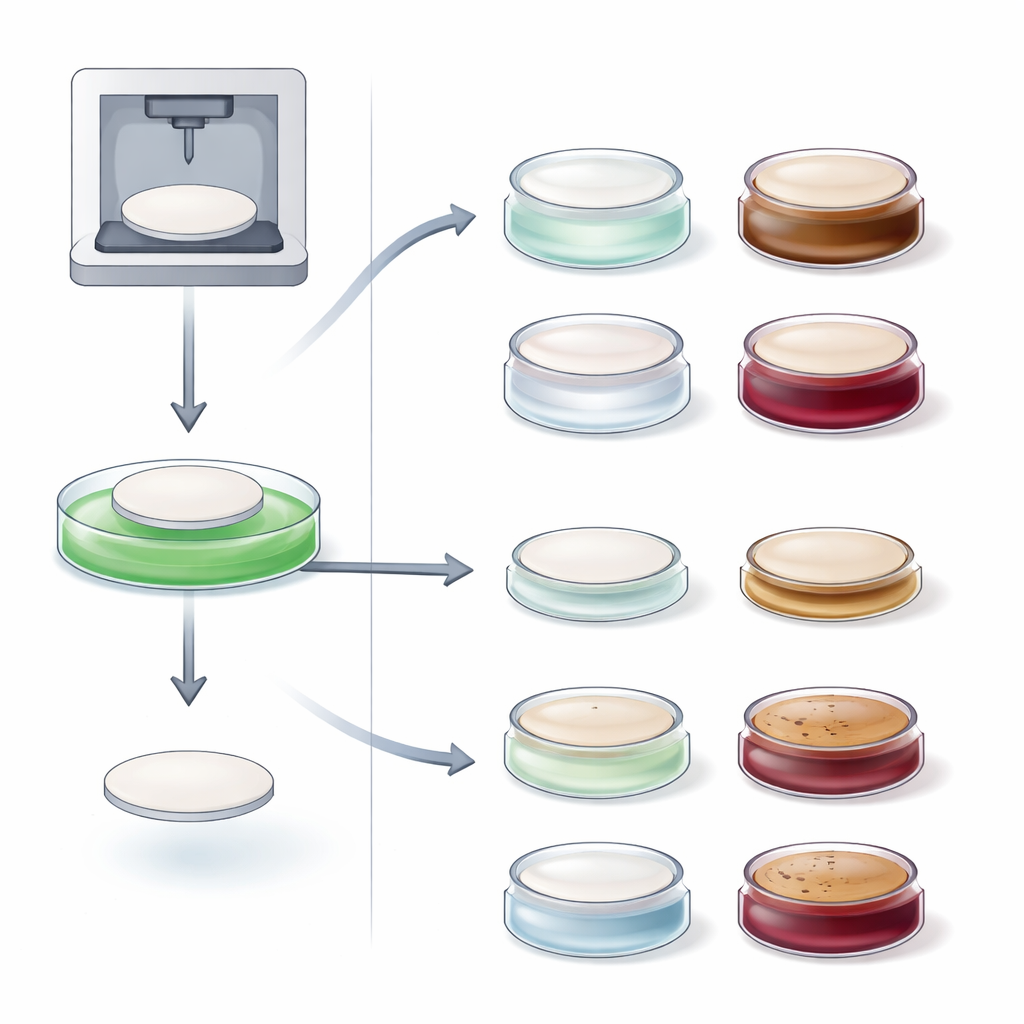
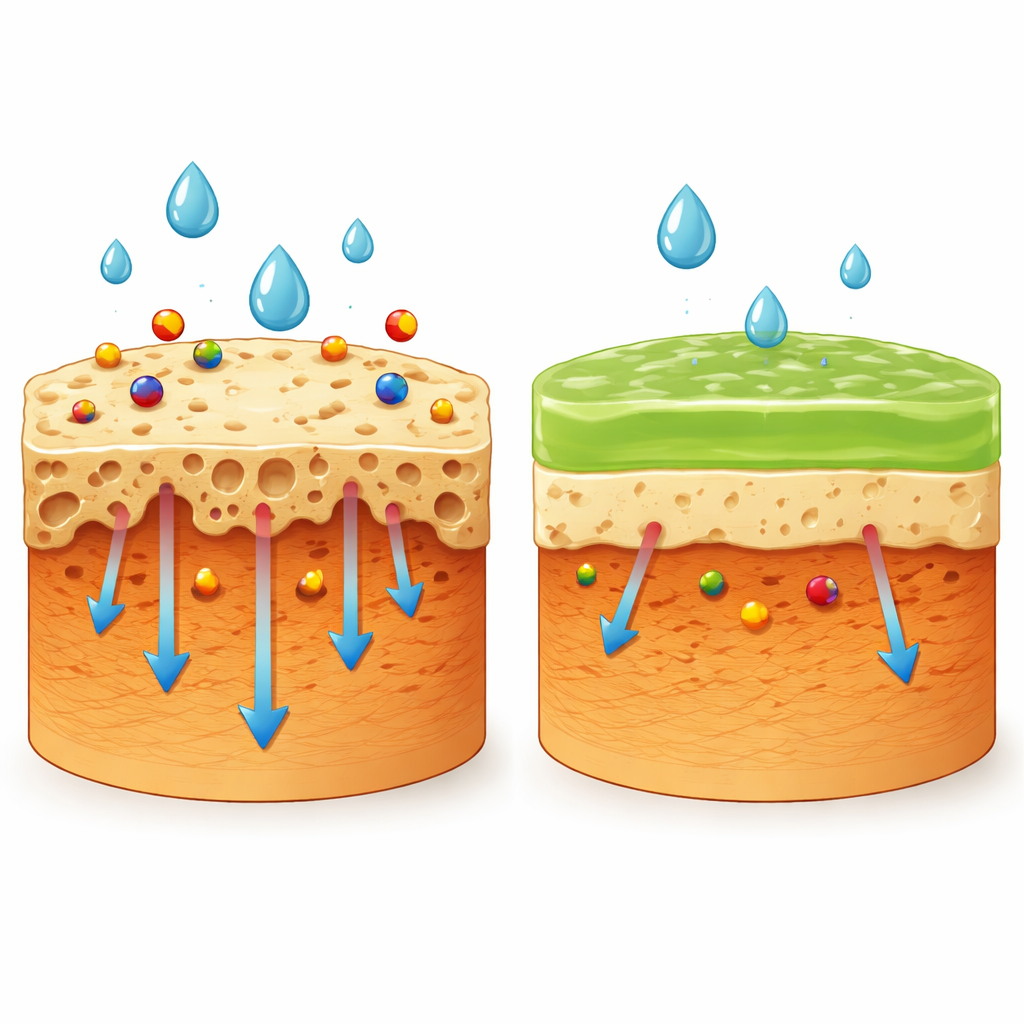
Modern dental clinics increasingly rely on 3D printers to produce custom-made plastic parts. These plastics start as liquid resins that harden when exposed to light. However, contact with air during this curing step leaves a thin, under-hardened layer on the surface. This fragile film can release leftover chemicals, take up more water, and stain more easily. Dentists already try to protect the surface by covering it with clear gels during post-curing, but most of these coatings are synthetic. Aloe vera gel is naturally thick, lets little oxygen through, and has a track record as a gentle, bioactive coating in foods and medical products. The researchers asked whether curing 3D-printed dental resin under pure Aloe vera could act as a natural barrier, improving color stability and other physical properties, and perhaps add some antibacterial benefits.
Testing Aloe vera as a curing partner
The team 3D-printed small disk-shaped specimens from a medical-grade clear resin. Half were post-cured while fully covered in 100% Aloe vera gel, and half were cured in the usual way without Aloe vera. All samples were washed in alcohol afterward, mimicking standard cleaning in the clinic. To test how easily the material discolors, the disks were soaked for a month at body temperature in four everyday liquids—water, cola, coffee, and red wine—while their color was measured over time. The researchers also examined the surface structure under a scanning electron microscope, checked how much water the material absorbed and how much solid material dissolved out, and grew biofilms of the cavity-causing bacterium Streptococcus mutans on the disks to see whether Aloe treatment changed bacterial buildup.
Clearer color and more stable material
Disks cured under Aloe vera discolored less, especially in red wine and, to a lesser extent, coffee. In wine, the Aloe-treated resin stayed noticeably lighter at every time point, suggesting that the surface was less welcoming to the deep red pigments that so readily stain plastics. In coffee, the difference became clear after a longer, 30-day soak, echoing how slow, daily staining builds up in real life. Microscopic images revealed that Aloe-treated samples developed a fine, microtextured surface, probably due to the water-rich gel affecting how the top layer hardened and then dried. Importantly, while both groups absorbed similar amounts of water, the Aloe-treated resin lost far less solid material into the water. Lower solubility means the plastic surface is less likely to weaken or roughen over time—a key factor for devices meant to survive years in the warm, moist, and chemically active environment of the mouth.
What happened to bacteria on the surface
Aloe vera is often promoted for its antimicrobial and antibiofilm properties, so the team also looked at how many cavity-causing bacteria could grow on the different surfaces. Here, the story was more modest. While samples cured with Aloe vera tended to host fewer Streptococcus mutans than untreated resin and showed counts similar to plain acrylic controls, the differences were not statistically strong enough to claim a clear antibacterial effect. The authors suggest that most active Aloe components may have been washed away during cleaning, leaving behind mainly the benefit of an altered, better-hardened surface rather than a persistent germ-killing coating.
What this means for future clear dental gear
In practical terms, the study shows that using Aloe vera gel as an oxygen-blocking layer during the final curing step can make 3D-printed dental plastics more color-stable and less prone to gradual material loss, without changing their water uptake or clearly affecting bacterial growth. For patients, that could translate into clearer aligners and retainers that keep their appearance and integrity longer in the face of coffee breaks and wine dinners. However, these results come from controlled lab tests using one resin type and one curing protocol. Real mouths are far messier, with chewing forces, saliva flow, mixed microbial communities, and varied diets. Before Aloe-based post-processing becomes routine in dental labs, longer-term and in-mouth studies are needed to confirm safety, check for possible allergies, and fine-tune the method. Still, the work offers a promising, nature-inspired tweak to help our high-tech dental devices age more gracefully.
Citation: Doğrugören, R., Topsakal, K.G., Aksoy, M. et al. Post-processing effects of Aloe vera on biofilm formation and physical properties of 3D-printed dental resins. Sci Rep 16, 8424 (2026). https://doi.org/10.1038/s41598-026-39650-w
Keywords: 3D printed dental resins, Aloe vera, color stability, dental biofilm, orthodontic appliances