Clear Sky Science · en
Knowledge, attitude, and practice toward hepatitis B-related cirrhosis among patients
Why This Study Matters to Everyday Families
Hepatitis B is a common virus that can quietly damage the liver for years, sometimes ending in cirrhosis, a serious scarring of the liver. This study from a large hospital in China asked a simple but powerful question: how well do people living with hepatitis B-related cirrhosis actually understand their illness, how do they feel about it, and what do they do day to day to protect their health? The answers help doctors and nurses design better education and support so that patients can live longer, healthier lives.
Looking at Real Lives, Not Just Test Results
From May to December 2023, researchers surveyed 476 adults with hepatitis B-related cirrhosis at a major hospital, including both inpatients and outpatients. The average participant was in their late forties, and many had lived with hepatitis B or cirrhosis for years. Using a detailed questionnaire in Chinese, the team measured three things: what people knew about their disease, how they felt about it, and how they behaved in everyday life. They also used a well-known tool called the Patient Activation Measure, which gauges how confident and engaged someone feels in managing their own health. Alongside this, the researchers collected medical information, such as how long each person had been sick, how often they were hospitalized, and whether they had serious complications like fluid buildup in the belly or internal bleeding. 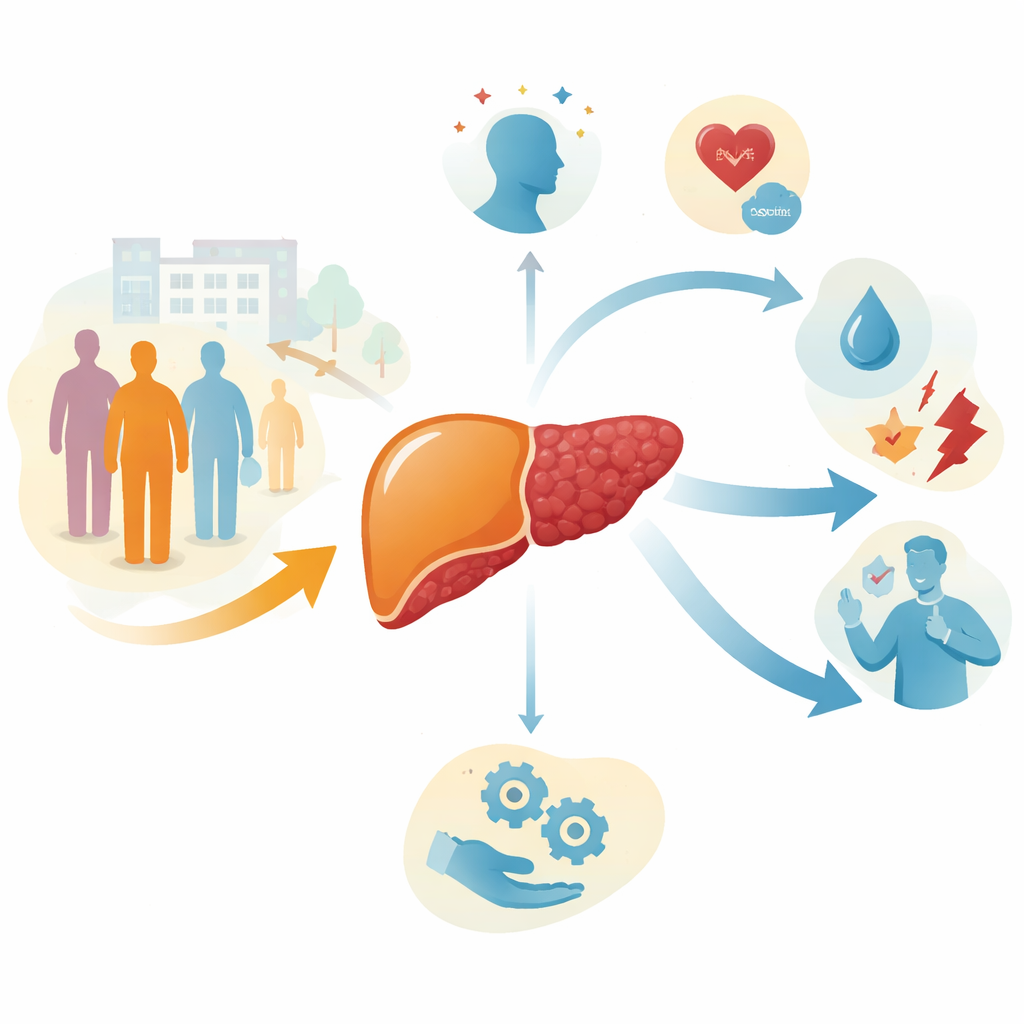
What Patients Know, Feel, and Actually Do
The picture that emerged was mixed. On average, patients did not score very high on knowledge questions: many were unsure about specific issues like the best diet when veins in the esophagus are swollen, how to safely adjust water pills, or how to watch for early signs of jaundice and bleeding. Yet their attitudes were generally hopeful. Most believed that regular liver check-ups matter, that lifestyle changes can ease the strain on the liver, and that diet and daily habits are crucial for preventing further damage. Many wanted to learn more. Their actions often matched this positive outlook: most people avoided alcohol, kept follow-up appointments, watched their weight and bathroom habits for warning signs, and sought help quickly for stomach troubles. Still, a large share waited until they felt unwell before seeing a doctor, showing that early care is not yet a strong habit.
The Surprising Link Between Knowledge and Action
One of the study’s most intriguing findings was that, at first glance, people with higher overall knowledge scores seemed to have slightly worse self-care scores. That runs against the common belief that “more facts automatically mean better behavior.” But when the researchers adjusted for education level, this negative link faded away. In other words, differences in schooling may explain much of this odd pattern. When they zoomed in on single questions rather than total scores, the story became clearer. Knowing the main causes of cirrhosis, understanding that antiviral drugs can slow the disease, and being able to recognize warning symptoms were each tied to better habits like regular check-ups, symptom tracking, and lifestyle changes. Likewise, certain attitudes—such as believing complications can be prevented and wanting to learn more—were closely connected to good day-to-day practices.
Who Needs the Most Help
By running more advanced analyses, the team identified which groups were most likely to struggle. People with lower education levels tended to have weaker disease knowledge. Those with serious complications—such as fluid in the abdomen, low blood protein, salt imbalances, internal bleeding, or high blood pressure—were less likely to show strong self-care behavior, perhaps because their illness was more overwhelming or their lives more disrupted. On the other hand, patients with more positive attitudes, higher activation scores, and higher income were more likely to practice proactive self-care. This suggests that feeling capable and supported, and having enough financial resources, can make a real difference in how people manage their cirrhosis. 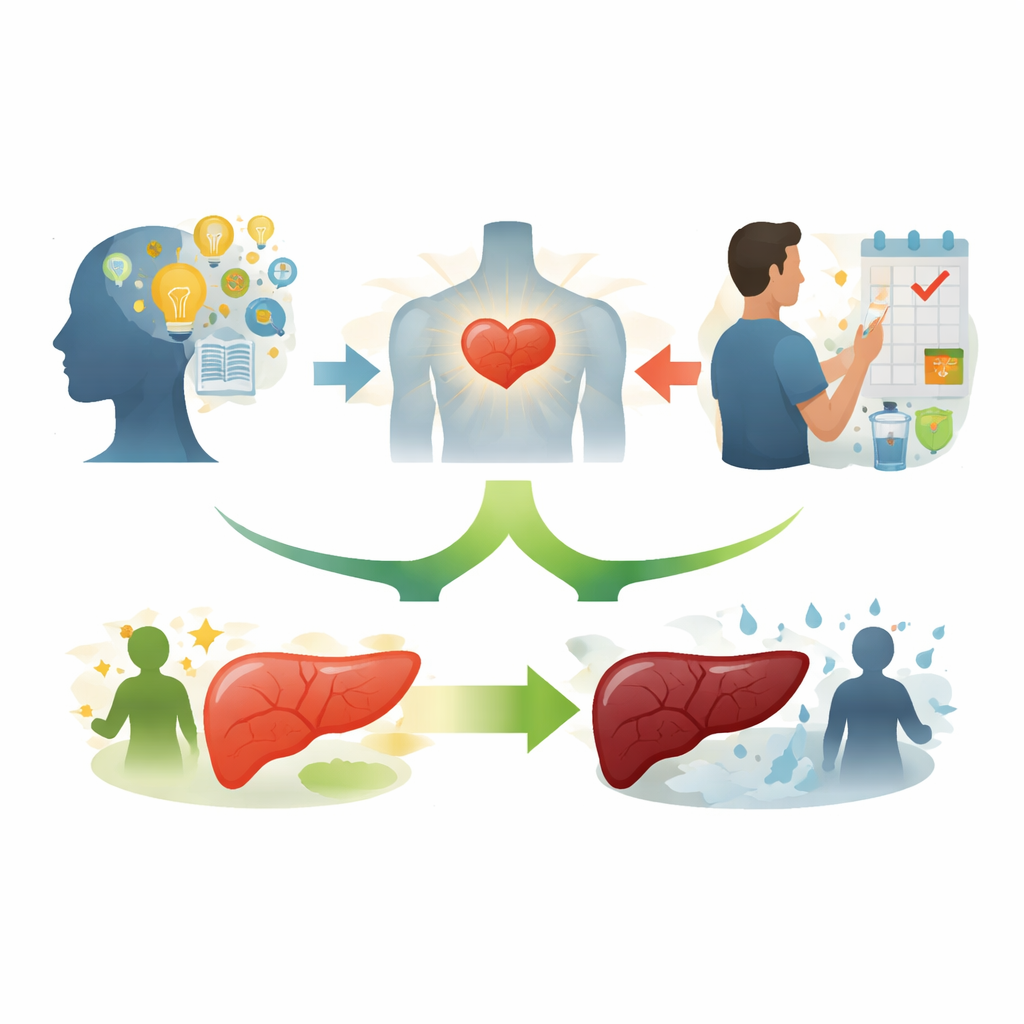
Turning Insight into Better Care
For non-specialists, the key message is that living well with hepatitis B-related cirrhosis is not just about lab results or scans; it also depends on what patients understand, how they feel, and what they do every day. This study shows that general information alone is not enough. What really helps are clear, targeted lessons that focus on practical, “what should I do right now?” topics—such as recognizing danger signs, understanding the benefits of antiviral treatment, and knowing when to seek help. Just as important is nurturing hope, motivation, and a sense of control, especially for people with less schooling or more severe disease. By tailoring education and emotional support to each person’s situation, healthcare teams can help patients turn knowledge and attitude into the daily habits that keep a damaged liver working for as long as possible.
Citation: Zhang, T., Cao, Y. & Hu, W. Knowledge, attitude, and practice toward hepatitis B-related cirrhosis among patients. Sci Rep 16, 9730 (2026). https://doi.org/10.1038/s41598-026-39634-w
Keywords: hepatitis B, liver cirrhosis, patient education, self-management, health attitudes