Clear Sky Science · en
Urinary levels of phenolic compounds in women working in beauty salons
Why salon work may carry hidden chemical risks
Beauty salons are often seen as places of relaxation and self-care, but behind the pleasant scents and colorful products lies a complex chemical mix. Many routine cosmetics contain substances that can mimic hormones or irritate the body, yet we know surprisingly little about how much workers in these spaces actually absorb. This study followed women working in beauty salons and compared them with women who rarely used cosmetics, tracking what ended up in their urine to reveal the invisible side of beauty work. 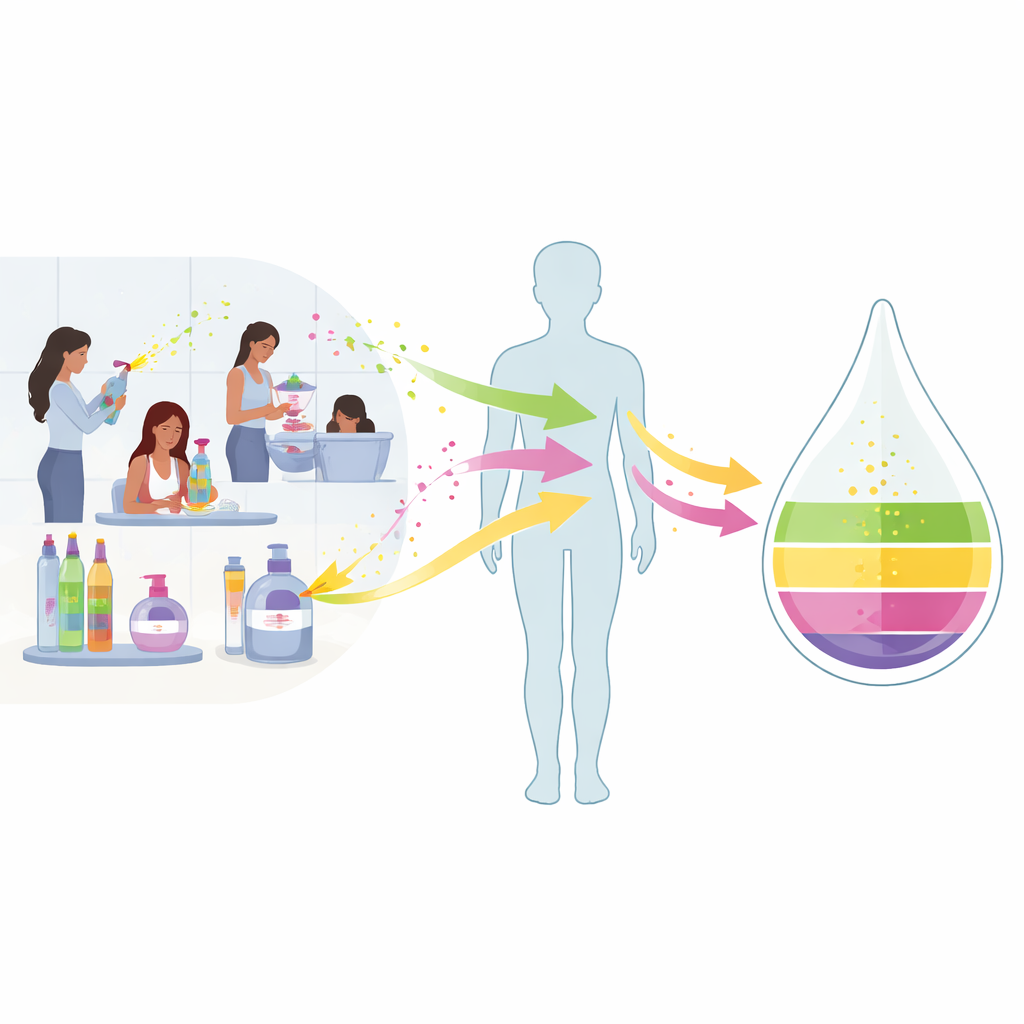
Chemicals that ride along with everyday beauty
The researchers focused on four phenolic compounds: bisphenol A (BPA), two benzophenones (BP-1 and BP-3), and triclosan (TCS). BPA is best known as a plastic ingredient, but it also appears in some cosmetic packaging and formulations. BP-1 and BP-3 are used as ultraviolet filters in sunscreens and makeup, helping protect products and skin from sunlight. Triclosan is an antimicrobial agent once widely added to soaps, toothpastes, and other personal care items. All four have been linked in previous work to hormone disruption, potential cancer risks, and effects on reproduction, metabolism, and the immune system.
Comparing salon workers with women at home
The team recruited 50 female beauticians from salons in Bushehr, Iran, and compared them with 35 housewives who had never worked in salons and had avoided cosmetic products for three weeks before sampling. Beauticians provided two urine samples on a workday—one before starting their shift and one right after finishing—while the control group gave a single mid-morning sample. The urine was processed under strict contamination controls and analyzed with high-performance chromatography and mass spectrometry, allowing the scientists to measure even tiny amounts of the target chemicals. 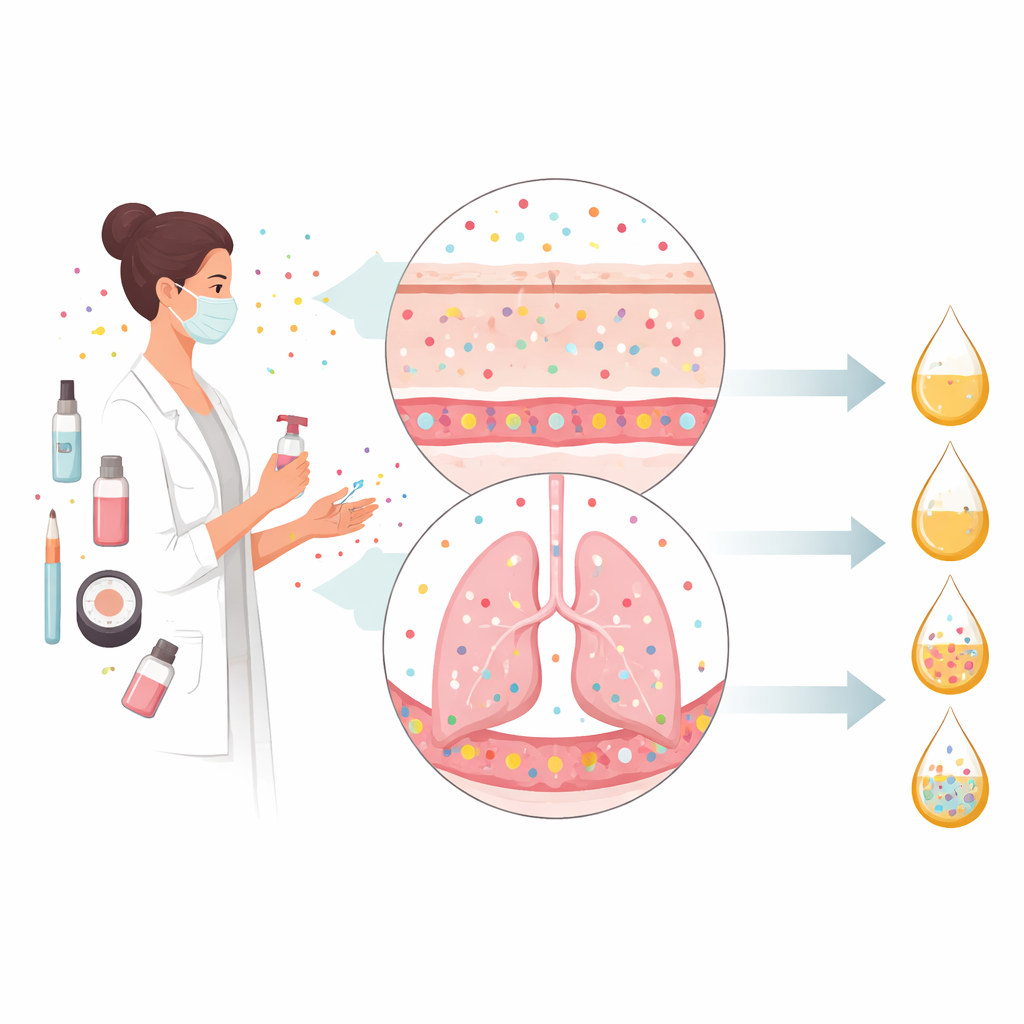
What was found inside the body
The results were striking. Every one of the four chemicals showed up far more often and at much higher levels in salon workers than in the housewives. For beauticians, median concentrations of BPA, BP-1, BP-3, and TCS were already elevated before work began—and rose further by the end of the shift. For example, typical BPA levels increased from about 4.8 to 5.3 nanograms per milliliter over a single day, while triclosan climbed from around 8.8 to nearly 12 nanograms per milliliter. In contrast, the control group’s median values for these substances were several times lower. These patterns point to a clear daily boost in exposure tied to time spent handling beauty products and salon materials.
Habits and protections that change exposure
The researchers then asked which personal and workplace factors seemed to drive higher levels. Age and education made little difference, but several behaviors did. Longer years of employment, more daily services, and poor ventilation were all linked with higher chemical levels. Beauticians who used creams, lotions, makeup, antiperspirants, mouthwash, and toothpaste more frequently tended to have greater amounts of BPA, benzophenones, and triclosan in their urine. On the other hand, using personal protective equipment—such as masks and gloves—was associated with notably lower BPA levels, suggesting that simple protective steps can partially block these exposures.
What this means for health and policy
This study offers the first direct evidence that women working in beauty salons carry a heavier body burden of certain cosmetic-related chemicals than comparable women outside the industry, and that exposures accumulate over the course of a normal workday. While the research does not track long-term health outcomes, it reinforces concerns that regular contact with products containing BPA, benzophenones, and triclosan could contribute to hormone and immune disturbances over time. For lay readers, the message is clear: beauty work is not just about style but also about safety. Better product regulation, improved ventilation, and consistent use of masks and gloves could substantially reduce how much of these hidden chemicals end up in workers’ bodies.
Citation: Moradi, M., Mansouri, M., Yazdi, N.B. et al. Urinary levels of phenolic compounds in women working in beauty salons. Sci Rep 16, 8112 (2026). https://doi.org/10.1038/s41598-026-39589-y
Keywords: beauty salon workers, cosmetic chemicals, bisphenol A, triclosan, occupational exposure