Clear Sky Science · en
Evaluation of the antimicrobial properties of potential probiotic lactic acid bacteria from raw and fermented cow milk
Friendly Germs Hiding in Everyday Milk
Most of us think of milk as a simple drink, but it is also home to tiny living partners that can help keep food safe and possibly support our health. This study looked for such “good germs” in raw and traditionally fermented cow milk from two regions of Ethiopia. The researchers wanted to know whether these bacteria can survive conditions similar to the human gut and whether they can slow the growth of harmful microbes that cause food poisoning.
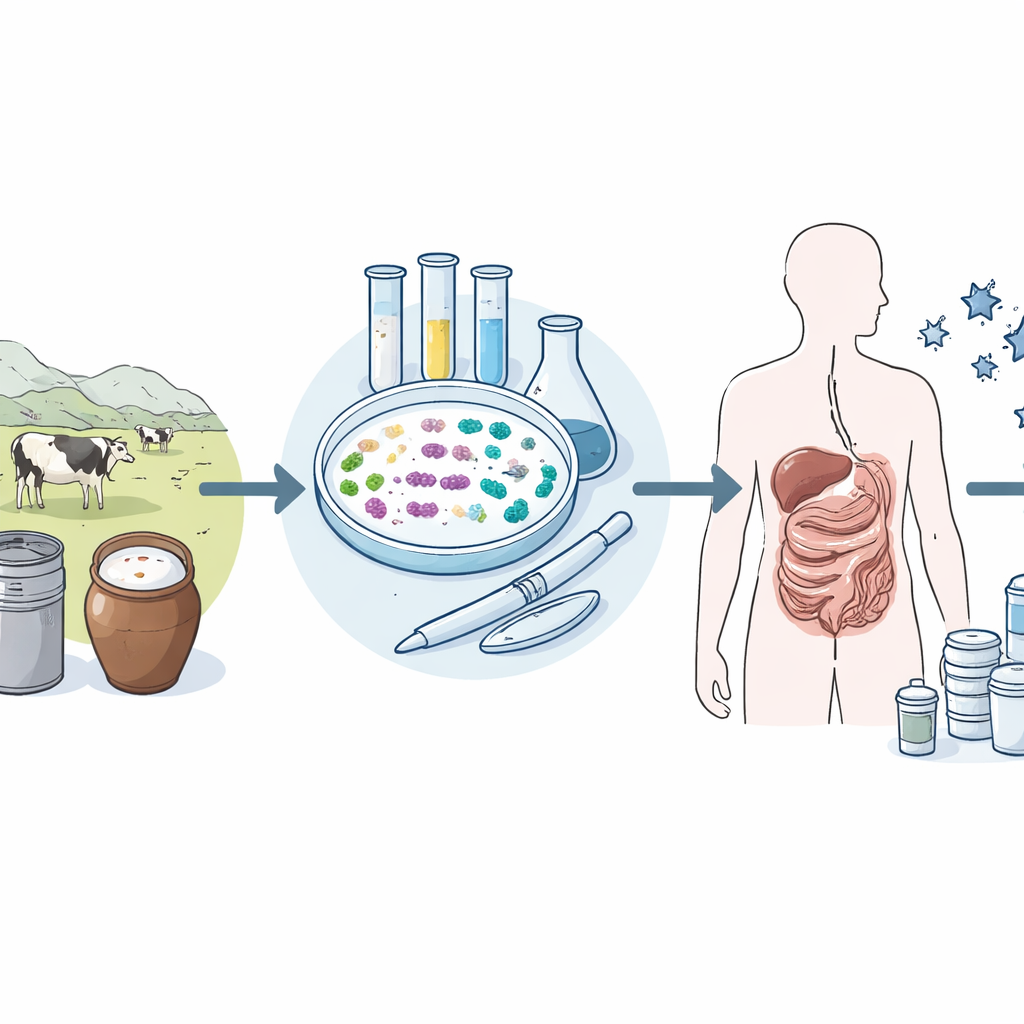
Hunting for Helpful Bacteria in Local Dairy
The team collected 25 samples of raw and fermented cow milk from farms around the towns of Metema and Debre Tabor in northwest Ethiopia. In the lab, they grew the microbes from these samples on a special medium that favors lactic acid bacteria, a group long used to ferment foods like yogurt, cheese, and pickles. From the plates, they isolated 20 distinct bacterial strains that showed the classic traits of lactic acid producers: they were Gram-positive, non‑spore‑forming, non‑motile, and did not make certain enzymes associated with other kinds of bacteria. All of these features marked them as likely members of the lactic acid bacteria family, although the exact species were not determined.
Testing Survival in a Harsh Gut-Like World
For a microbe to be a useful probiotic, it must be able to endure the tough journey through the stomach and intestines. The researchers therefore exposed the milk‑derived bacteria to conditions that mimic parts of the digestive tract. The strains were grown at very acidic, neutral, and slightly alkaline pH levels, at cool and body‑like temperatures, and in salty solutions. All 20 strains survived at low pH around 3, a level similar to the human stomach, and at salt levels up to 6 percent, while growing best at body temperature. They also fermented sterile milk, turning it sour and thick within 12 to 36 hours, and produced measurable amounts of lactic acid, with some strains reaching over 8 percent. These traits show that the bacteria are well suited both to fermenting dairy products and to withstanding the gut environment.
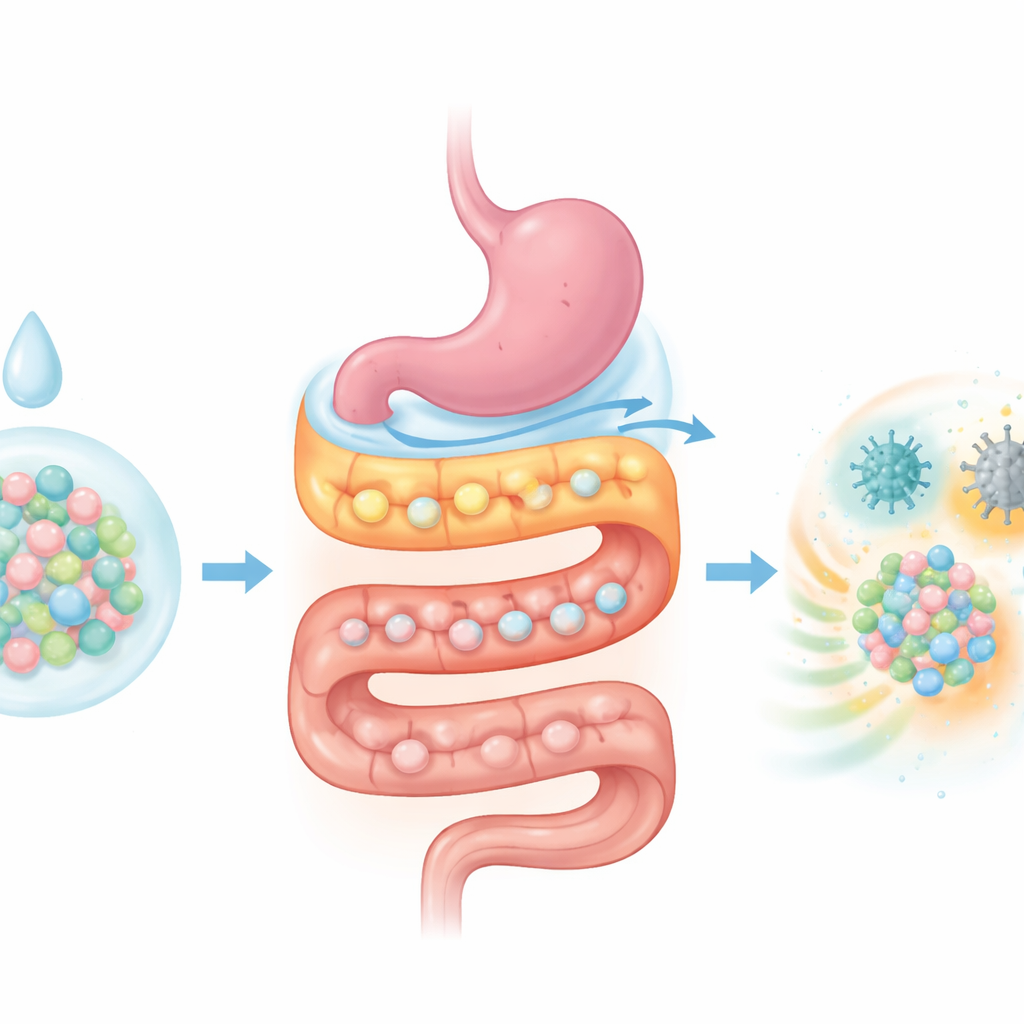
Standing Up to Dangerous Microbes
The next question was whether these milk bacteria could hold their own against disease‑causing germs. The team collected the liquid in which each strain had grown and placed it into wells on plates seeded with four common food‑borne pathogens: Staphylococcus aureus, Escherichia coli, Pseudomonas aeruginosa, and Salmonella Typhi. Clear zones around the wells revealed where the pathogens failed to grow. All 20 strains inhibited every one of the tested pathogens to some degree, with the strongest effects seen against Staphylococcus aureus. Because the liquids were not neutralized or treated with enzymes, the exact cause of this effect—whether lactic acid, hydrogen peroxide, or protein‑based compounds—cannot yet be pinned down, but the overall result points to real antimicrobial power.
Weighing Safety and Possible Risks
Safety is essential before any microbe can be used in food or sold as a probiotic supplement. Encouragingly, none of the strains damaged red blood cells in a standard blood‑agar test, suggesting they are unlikely to cause this kind of harm in people. When exposed to common antibiotics, most strains remained sensitive to drugs such as penicillin, ampicillin, tetracycline, and erythromycin, but many were resistant to vancomycin and gentamicin. Such resistance is often natural in lactic acid bacteria and may not easily pass to other microbes, yet without genetic testing it is impossible to fully rule out the risk of spreading resistance genes.
What This Work Means for Milk and Health
Overall, the study shows that raw and fermented cow milk from Ethiopian farms is a rich source of lactic acid bacteria that can survive gut‑like conditions, ferment milk efficiently, and slow the growth of important food‑borne pathogens in the lab. To a lay reader, this means that traditional dairy practices may already harbor promising candidates for safer, more stable fermented foods and future probiotic products. However, the authors stress that their findings are an early step: the bacteria still need precise genetic identification, detailed safety checks, and tests in animals or humans before anyone can confidently claim health benefits or put them to large‑scale industrial use.
Citation: Kolech, A., Alemu, S. & Milkessa, T. Evaluation of the antimicrobial properties of potential probiotic lactic acid bacteria from raw and fermented cow milk. Sci Rep 16, 8355 (2026). https://doi.org/10.1038/s41598-026-39586-1
Keywords: probiotics, lactic acid bacteria, fermented milk, antimicrobial activity, food safety