Clear Sky Science · en
Exploring imidazo[1,2-a]pyridine hybrids in cancer therapy: ADMET profiling, molecular docking, MD simulations and DFT calculations
Why this research matters for future cancer treatments
Cancer drugs often fail because they hit healthy cells along with tumors, or because tumors quickly learn to resist them. This study explores a new set of small, lab-designed molecules built on a chemical backbone called imidazo[1,2-a]pyridine, looking for ones that could precisely shut down a key engine of cancer cell growth. Using only computer-based methods, the researchers searched for the most promising candidates that might one day become safer, more effective cancer medicines targeting an important cell-cycle protein called CDK2.
Stopping cells from dividing out of control
Healthy cells grow and divide according to a tightly controlled internal clock. In many cancers, that clock breaks, and cells divide relentlessly. One of the central timekeepers is a protein called CDK2, which helps push cells through the step where they copy their DNA and prepare to divide. In many tumors, CDK2 is overly active, driving uncontrolled growth and worse outcomes for patients. Several drugs that block CDK2 or related proteins already exist, but many have problems such as poor selectivity, serious side effects, or low stability in the body. The authors set out to design new molecules that fit the CDK2 protein more snugly and might offer better drug-like behavior.
Designing new molecules on the computer
To build these potential drugs, the team borrowed useful features from existing cancer medicines that already work by blocking related protein targets. They focused on combining two proven building blocks, imidazo[1,2-a]pyridine and quinazoline, into “hybrid” molecules that might bind especially well to CDK2. Starting from this design idea, they created a virtual library of 129 different hybrids, each differing mainly in the arrangement of small chemical groups on its outer ring. They then used computer docking software to see how tightly each molecule could nestle into the pocket on CDK2 where the cell’s natural fuel, ATP, normally binds. 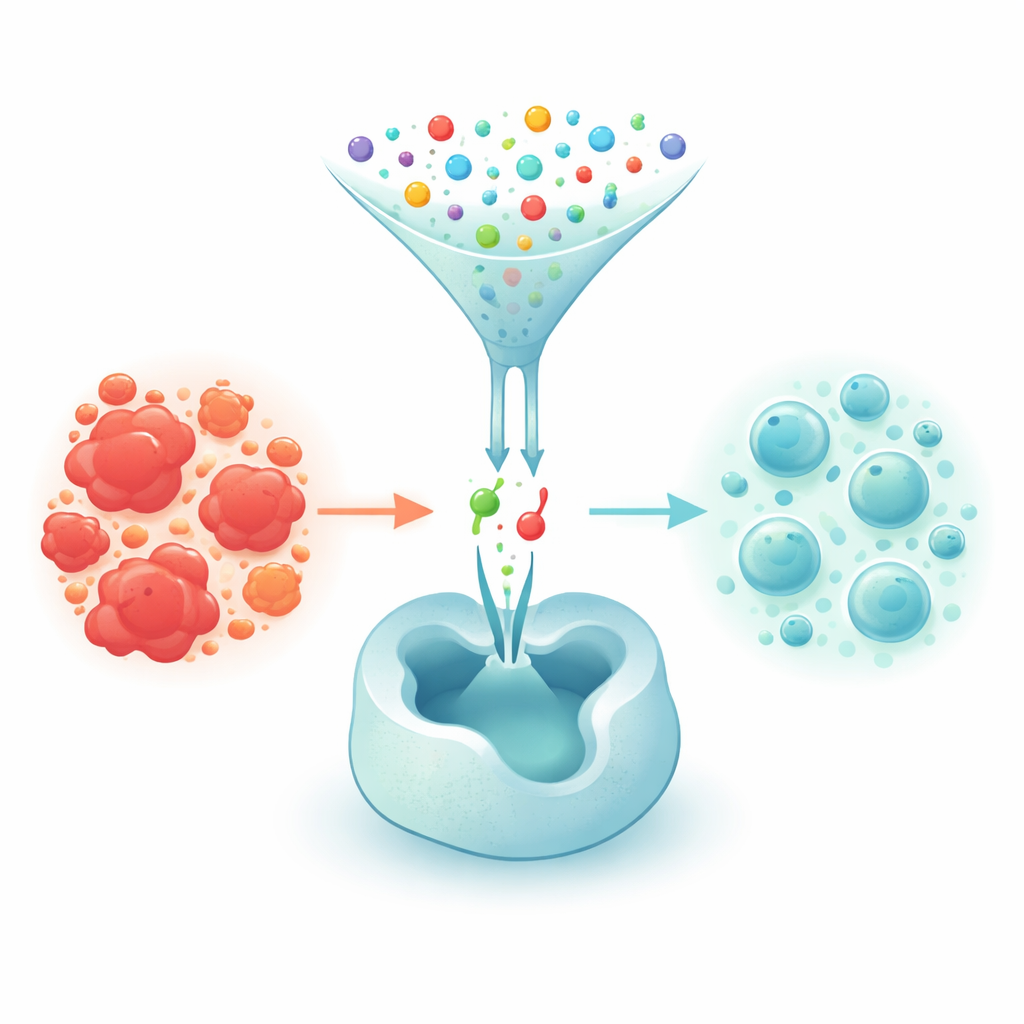
Filtering for real-world drug potential
Good binding is only the first hurdle for a potential medicine. The team next applied computer models that estimate how a compound would behave in the body—how well it might be absorbed, how easily it travels in the bloodstream, how it is broken down, and whether it is likely to be toxic. These ADMET predictions (short for absorption, distribution, metabolism, excretion, and toxicity) allowed them to weed out molecules that, while strong binders on paper, might fail in animals or humans. Out of the initial 129 candidates, 30 showed better predicted binding than a reference chemotherapy drug and the natural ligand, and all 30 passed basic drug-likeness rules, such as having the right size, fat–water balance, and number of bonding sites for good oral availability.
Zooming in on the two best candidates
Among the 30 stronger candidates, two molecules, labeled AD20 and AD28, rose to the top when the researchers combined docking scores with their ADMET profiles. To test whether these two would stay lodged in the CDK2 pocket over time, they ran molecular dynamics simulations—essentially high-resolution movies of how atoms move in a watery environment similar to the cell. These simulations, each lasting 100 nanoseconds, showed that both molecules remained stably bound without disturbing the overall shape of CDK2, with AD28 forming slightly more persistent hydrogen bonds inside the pocket. The team also used quantum chemistry calculations to probe the electronic structure of the two molecules, confirming that they had a good balance between stability and reactivity, consistent with the way they interacted with the protein in the simulations. 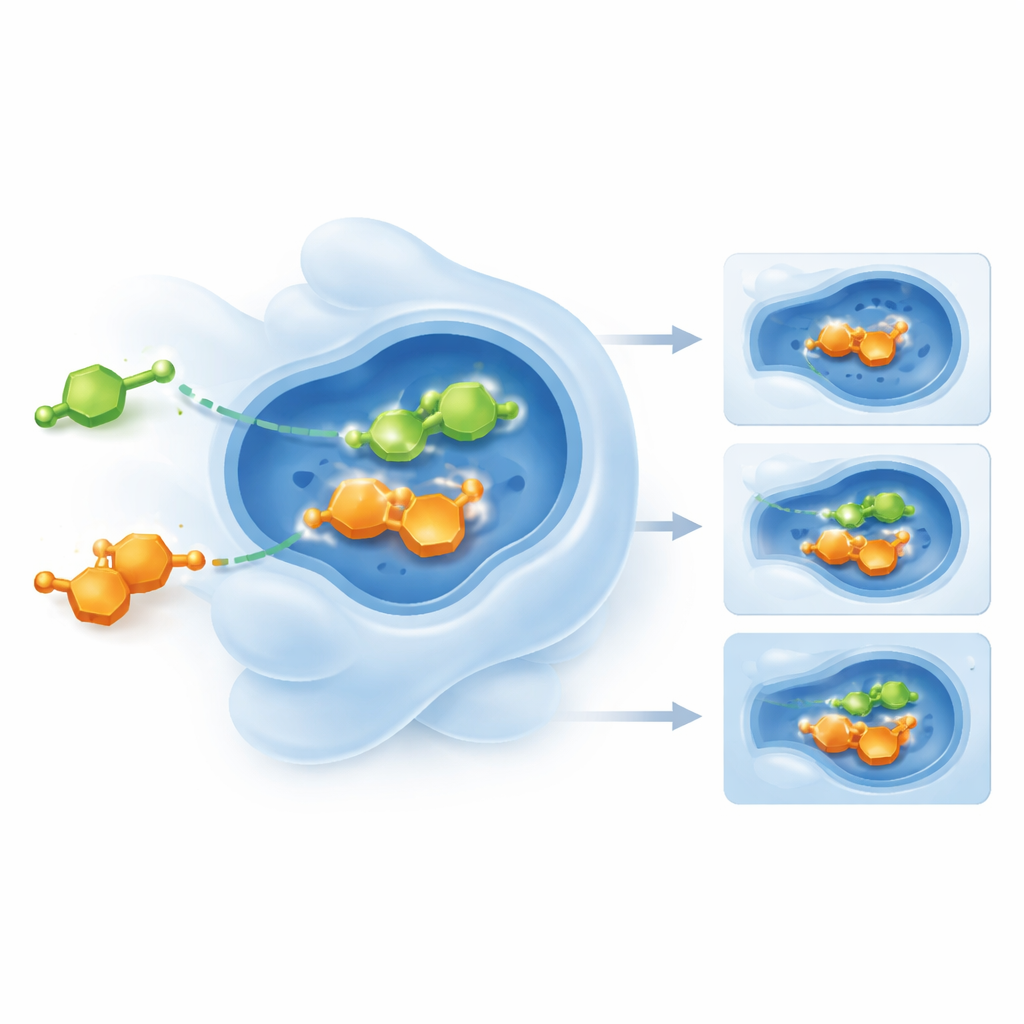
What this means for patients, and what comes next
This work does not yet deliver a new cancer drug, but it narrows the search to two especially promising chemical starting points. AD20 and AD28 appear, in silico, to fit CDK2 tightly, behave like drug-like molecules in the body, and maintain stable attachment to their target over time. The study shows how modern computer tools can rapidly screen and refine many designs before any chemical is made in the lab, saving both time and resources. The next step will be to synthesize these two compounds, test whether they actually block CDK2 in test tubes and cancer cells, and then examine their safety in living systems. If these follow-up experiments confirm the predictions, these imidazo[1,2-a]pyridine hybrids could form the basis of a new generation of targeted therapies that slow cancer growth by gently but firmly turning down its cell-division clock.
Citation: Shah, D., Nagani, A., Shah, M. et al. Exploring imidazo[1,2-a]pyridine hybrids in cancer therapy: ADMET profiling, molecular docking, MD simulations and DFT calculations. Sci Rep 16, 9021 (2026). https://doi.org/10.1038/s41598-026-39575-4
Keywords: CDK2 inhibitors, cancer drug design, imidazo[1,2-a]pyridine, virtual screening, molecular docking