Clear Sky Science · en
Validated comprehensive RP HPLC approach for separation and quantification of solifenacin and mirabegron in the presence of their degradation products
Why careful testing of bladder drugs matters
Millions of people with overactive bladder rely on two modern medicines, solifenacin and mirabegron, to reduce sudden urges and frequent trips to the bathroom. But like all drugs, these tablets can contain tiny amounts of unwanted by‑products created during manufacturing, storage, or even inside the body. The study behind this article focuses on building a fast, reliable lab test to spot and measure these trace impurities and breakdown products, helping to keep medications both effective and safe.
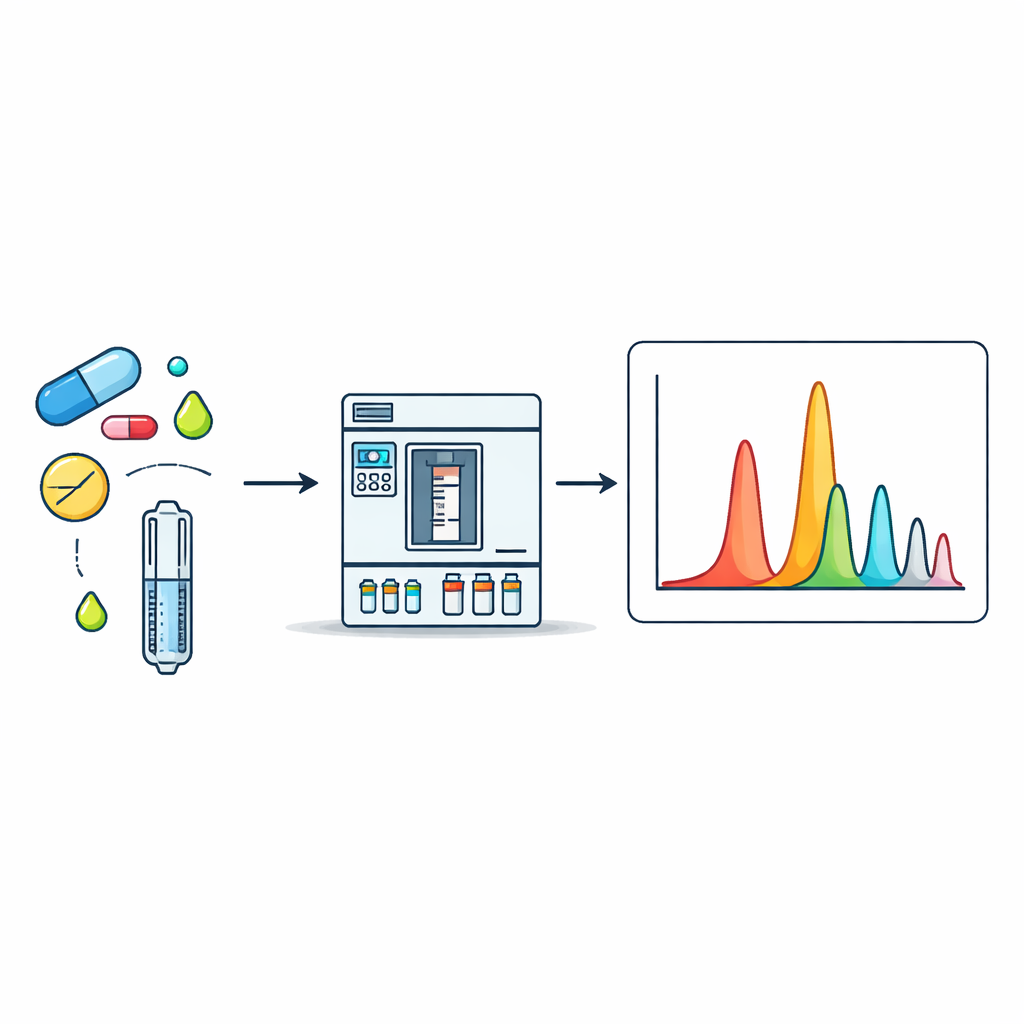
Two medicines that calm an overactive bladder
Solifenacin and mirabegron tame bladder symptoms in different but complementary ways. Solifenacin works by blocking signals that tell the bladder muscle to contract, easing spasms and increasing how much urine the bladder can comfortably hold. Mirabegron acts on a different receptor to gently relax the bladder wall, also boosting storage without some of the classic side effects such as dry mouth and constipation. Because these drugs are widely prescribed and often used together in a single tablet, regulators and manufacturers are especially concerned about any extra substances that may sneak in alongside the active ingredients.
Hidden hitchhikers in a pill
Unwanted molecules can arise when a drug is first synthesized, when it sits on a shelf, or when it is exposed to heat, light, or reactive chemicals. In solifenacin, several known "official" impurities can form, some of which have been linked to greater toxicity or weaker treatment effects in early studies. Mirabegron can also break down into related molecules, including a metabolite that appears in the human body after the drug is taken. Even though these substances are present at very low levels, they may still alter how the drug behaves or introduce new risks, so international guidelines call for sensitive methods that can separate and quantify both the main drugs and their by‑products in a single run.
A sophisticated filter for complex mixtures
The researchers built their approach around high‑performance liquid chromatography, a workhorse technique that pushes a liquid sample through a special column packed with fine particles. Different molecules slip through this packed bed at different speeds, so they emerge at separate times and can be measured individually. In this study, the team optimized every part of the setup: they chose a compact column, adjusted the mix of water, organic solvent, and a small amount of acid, set the flow speed, and picked a light wavelength that both drugs and most impurities would strongly absorb. The result was a compact test that could cleanly pull apart solifenacin, mirabegron, two of solifenacin’s key impurities, and a major mirabegron metabolite, all in about ten and a half minutes.
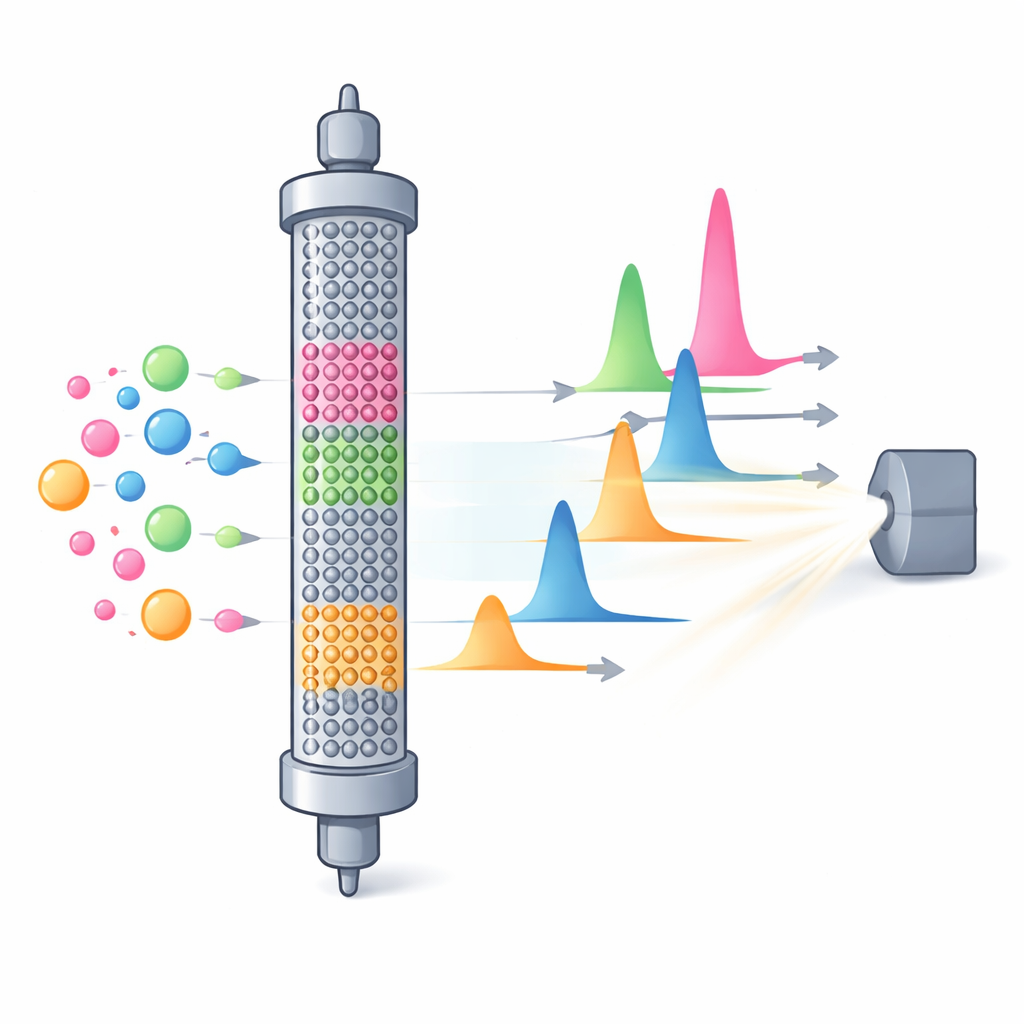
Putting the method through its paces
To ensure their test would work in real‑world conditions, the scientists deliberately stressed the pure drugs under acidic, basic, oxidizing, hot, and light‑exposure scenarios to generate likely breakdown products. They then used their chromatographic system together with infrared and mass‑based measurements to map out which new molecules appeared and confirm their identities. Next, they checked that the method was accurate over a wide range of concentrations, gave nearly identical results when repeated on different days, and could detect even trace amounts of impurities well below regulatory limits. Finally, they applied the technique to an actual combination tablet containing both drugs and showed that common tablet ingredients did not interfere with the measurements.
What this means for patients and manufacturers
In plain terms, the study delivers a sensitive, time‑saving laboratory tool that can scan solifenacin–mirabegron products for both the intended medicines and a set of important degradation products in one go. By clearly separating and measuring these components, the method helps manufacturers verify that each batch of tablets meets quality standards and remains stable over time. For patients, this kind of behind‑the‑scenes testing supports confidence that the pills they take for overactive bladder contain what they should—and only tiny, carefully controlled amounts of what they should not.
Citation: Kamel, E.B., Badrawy, M. & Nour, I.M. Validated comprehensive RP HPLC approach for separation and quantification of solifenacin and mirabegron in the presence of their degradation products. Sci Rep 16, 9341 (2026). https://doi.org/10.1038/s41598-026-39569-2
Keywords: overactive bladder, drug impurities, high-performance liquid chromatography, solifenacin, mirabegron