Clear Sky Science · en
Application of sewage sludge as a soil biofertilizer enhances crop productivity of alfalfa plants (Medicago sativa L.) and improves soil quality without heavy metal toxicity
Turning Waste into a Farming Resource
Modern farming depends heavily on chemical fertilizers to keep fields productive, but this comes with rising costs and environmental side effects. At the same time, cities around the world struggle with what to do with the huge volumes of sewage sludge left over after cleaning wastewater. This study explores whether that sludge—when properly treated—can safely replace part of our fertilizer use, boosting the growth of alfalfa, an important animal feed crop, while avoiding the serious worry that toxic metals might build up in soils and plants.
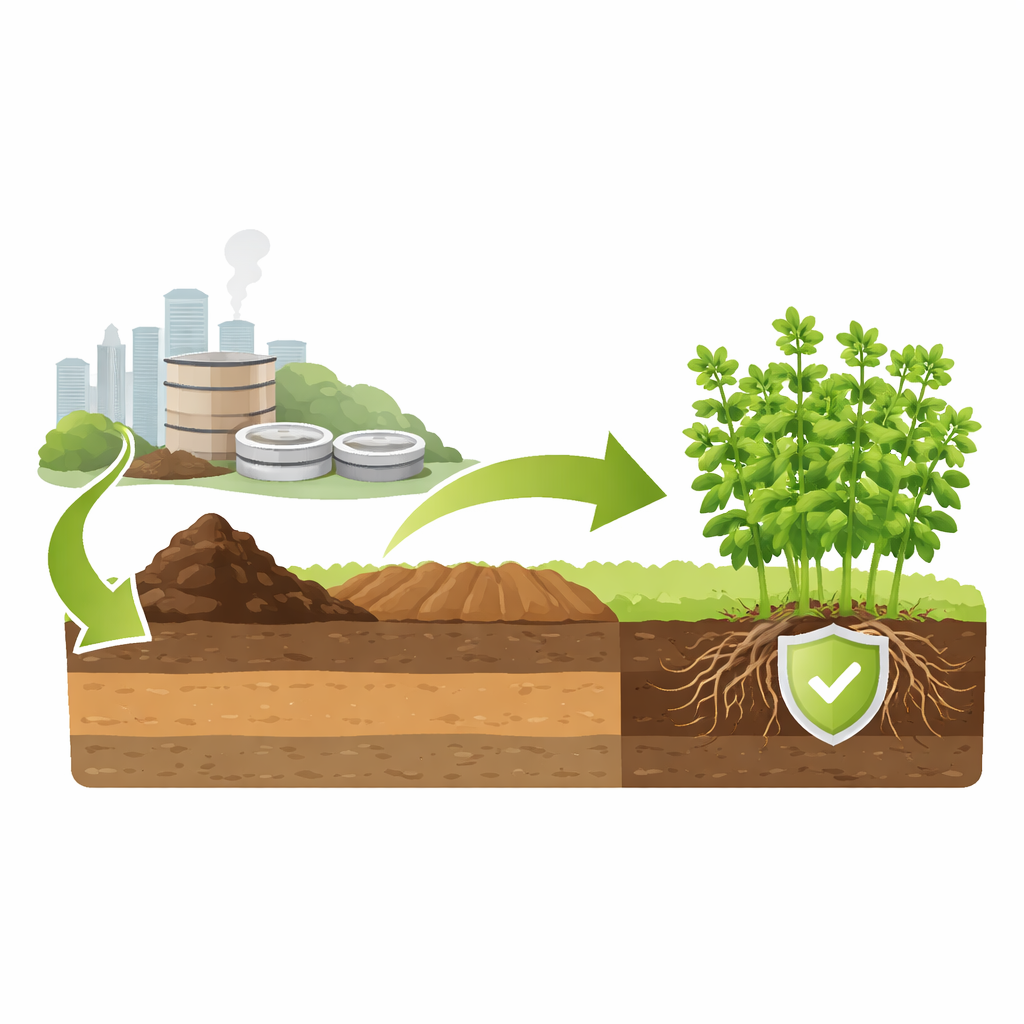
From City Sewage to Farm Soil
Sewage sludge is rich in organic matter and plant nutrients such as nitrogen, phosphorus, and potassium, all of which crops need to thrive. But it can also contain unwanted substances, especially heavy metals like cadmium and lead, which do not break down in the environment. The researchers worked with sludge from a municipal treatment plant in southwestern Saudi Arabia and a nearby sandy, nutrient-poor soil. They first confirmed that the sludge’s metal levels were below international safety limits for farm use, and then mixed it into the soil at several doses to test how well it could function as a biofertilizer for alfalfa.
Finding the Sweet Spot for Plant Growth
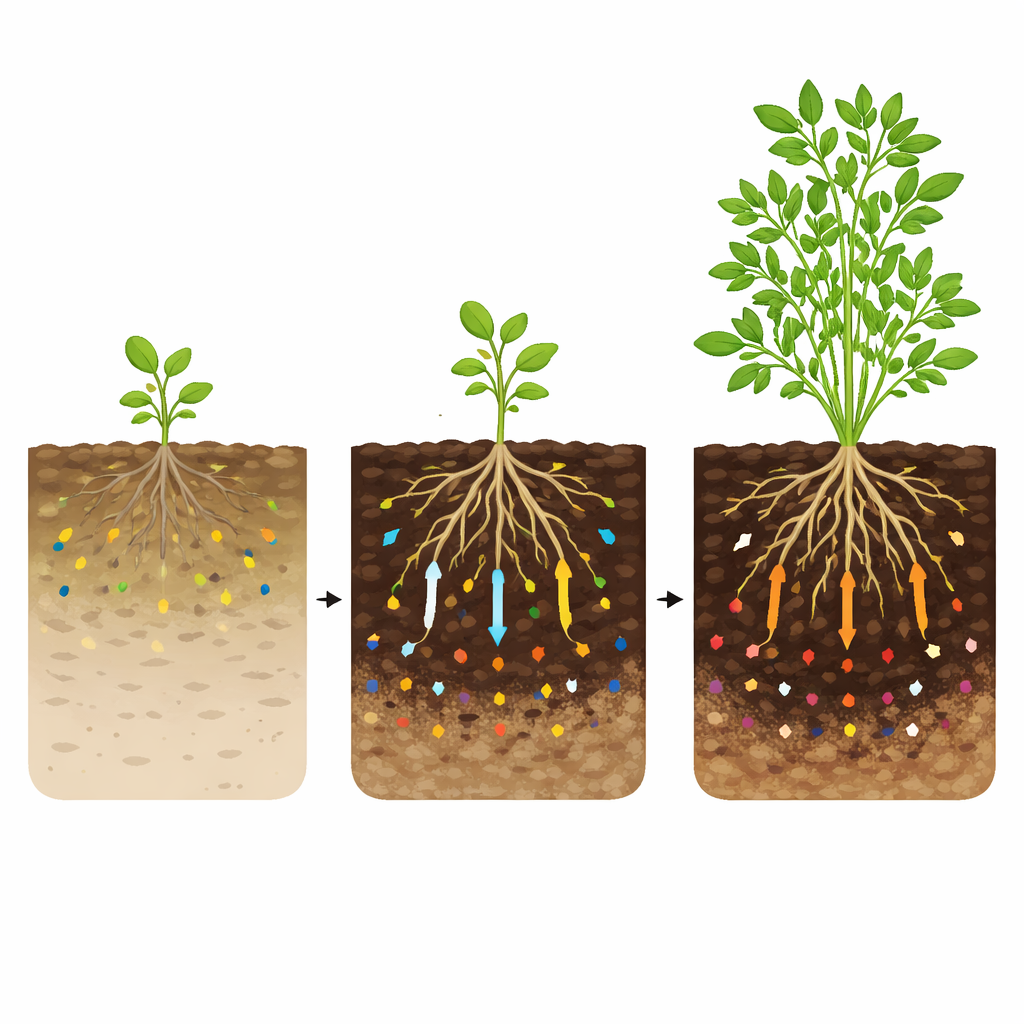
Alfalfa plants were grown in pots under greenhouse conditions with different amounts of sludge mixed into the soil: none, low, medium, and high. Only plants in the control, low, and medium treatments survived to harvest; those exposed to the highest doses failed to complete their life cycle, showing that “more” sludge is not always better. At a low rate—10 grams of sludge per kilogram of soil—alfalfa grew dramatically better than in untreated soil. Plant height, number of leaves, leaf area, total biomass, and growth rate all rose sharply, and leaves became richer in green pigments linked to photosynthesis. The medium dose improved leaf area but did not deliver the same overall benefits, hinting that a narrow window of application gives the best results.
Checking for Hidden Metal Risks
Because any buildup of heavy metals in food or feed crops can ultimately affect animal and human health, the team carefully measured nine metals in both roots and shoots of the alfalfa. At the recommended low sludge dose, metal levels in the edible shoot parts stayed within widely accepted international safety ranges for forage, and were mostly similar to or only slightly above those in untreated plants. A modest increase of nickel in shoots and cadmium in roots remained below reported toxicity thresholds. Detailed calculations of how much metal moved from soil into roots (bioaccumulation) and from roots into shoots (translocation) showed that, for most metals, roots tended to retain what they absorbed, limiting transfer to the above-ground parts eaten by livestock.
Healthier Soil After Harvest
The benefits of the sludge treatment extended to the soil itself. After harvest, soils that had received the low or medium doses contained more organic matter and held water more effectively—both key traits for supporting crops in dry regions. Levels of the major nutrients nitrogen, phosphorus, and potassium also increased compared with untreated soil, helping to explain the stronger plant growth. Soil acidity shifted slightly toward a more favorable range, and electrical conductivity rose modestly as more dissolved nutrients became available. Importantly, at the low sludge rate, concentrations of the tested metals in the soil did not rise to harmful levels, indicating that, at least over a single growing season, the amendment improved soil quality without contaminating it.
Balancing Opportunity and Caution
For a non-specialist, the key message is that carefully controlled use of treated sewage sludge can turn a waste problem into a valuable farming resource. In this study, a relatively small dose greatly improved alfalfa growth and enriched a poor, sandy soil, without pushing heavy metal levels in plants or soil beyond recognized safety limits. However, the authors stress that their results come from one sludge source, one soil type, and a single growing season. Over many years, metals can slowly accumulate, so any long-term program must be paired with regular monitoring and region-specific guidelines. Used wisely, though, sewage sludge has the potential to close nutrient loops, reduce dependence on costly chemical fertilizers, and support more sustainable agriculture.
Citation: Eid, E.M., Ahmed, M.T., Alrumman, S.A. et al. Application of sewage sludge as a soil biofertilizer enhances crop productivity of alfalfa plants (Medicago sativa L.) and improves soil quality without heavy metal toxicity. Sci Rep 16, 8524 (2026). https://doi.org/10.1038/s41598-026-39561-w
Keywords: sewage sludge, biofertilizer, alfalfa, soil fertility, heavy metals