Clear Sky Science · en
A qualitative study exploring barriers and motivators influencing home radon testing decisions and behaviors
Invisible gas, hidden risk
Most of us think about smoke, smog, or dust when we worry about the air we breathe. But there is another threat that can seep into our homes completely unnoticed: radon, a naturally occurring radioactive gas and the second leading cause of lung cancer in the United States. This study looks not at the physics of radon, but at people—digging into why so many homeowners and renters skip a simple radon test, even in areas where the risk is known to be high.
Why radon testing matters at home
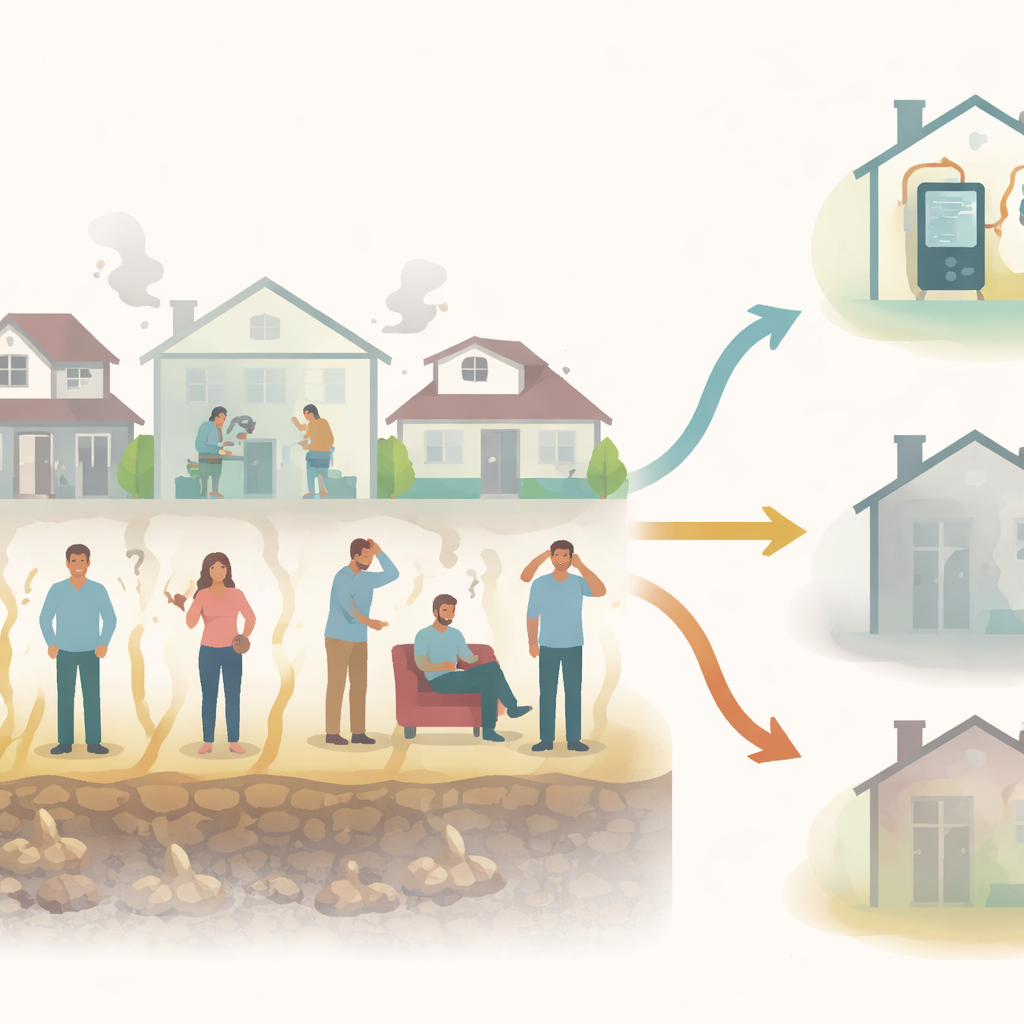
Radon comes from rocks and soil and can build up indoors, especially in basements and lower floors. In states like Vermont and New Hampshire, a large share of homes exceed the federal level where action is strongly advised. Yet surveys show that fewer than half of residents there have ever tested their homes, and similar patterns appear across the country. Prior research has blamed cost, lack of awareness, and a sense that “it won’t happen to me,” but numbers alone cannot fully explain why people delay or avoid testing. The researchers therefore turned to in-depth conversations to better understand the everyday thinking behind these decisions.
Listening to residents and experts
The team used focus groups with community members who had not tested their current homes, alongside one-on-one interviews with professionals who deal with radon in their work—such as home inspectors, real estate agents, public health staff, and clinicians. They organized what they heard using a well-known framework from health psychology that looks at how people judge their personal risk, weigh benefits and drawbacks, feel capable of acting, and respond to prompts to take action. Every conversation was recorded, transcribed, and systematically coded to pull out recurring themes about what holds people back or helps them move forward with testing.
What gets in the way of testing
Many barriers grew out of personal beliefs and emotions. Some people worried more about the cost of fixing a problem than about the problem itself, preferring not to know if radon was high. Others assumed radon was an issue only for certain kinds of houses, or for other families, not their own. A large knowledge gap ran through the discussions: people were unsure what radon is, how it enters a home, how to test, or how often to repeat a test. Renters feared that even if they found high levels, landlords would not act, while long-time homeowners felt that years without illness meant there was no reason to start now. On top of this came a striking lack of trust—some doubted government agencies or worried that conflicting safety levels and aggressive mitigation companies made the whole topic feel like a scam. Weak or absent regulations reinforced the sense that testing could not be that important if it was not required.
What helps people choose to test
At the same time, the study uncovered strong motivators that can tip people toward action. Real estate transactions—building, buying, or selling a home—were major moments when radon testing is more likely to occur, because inspections are already happening and professionals are involved. Health worries were another powerful driver, especially concern for children or family members with lung problems; stories from community members with lung cancer could spark a surge of interest in test kits when paired with easy access to them. Both residents and professionals stressed that clear, basic education—focused on what radon is, how it harms lungs, and how any home can be affected—could correct myths, such as assuming a neighbor’s test result applies to one’s own house. However, people are easily overwhelmed by technical statistics, so messages need to be simple and practical.
Working together to clear the air
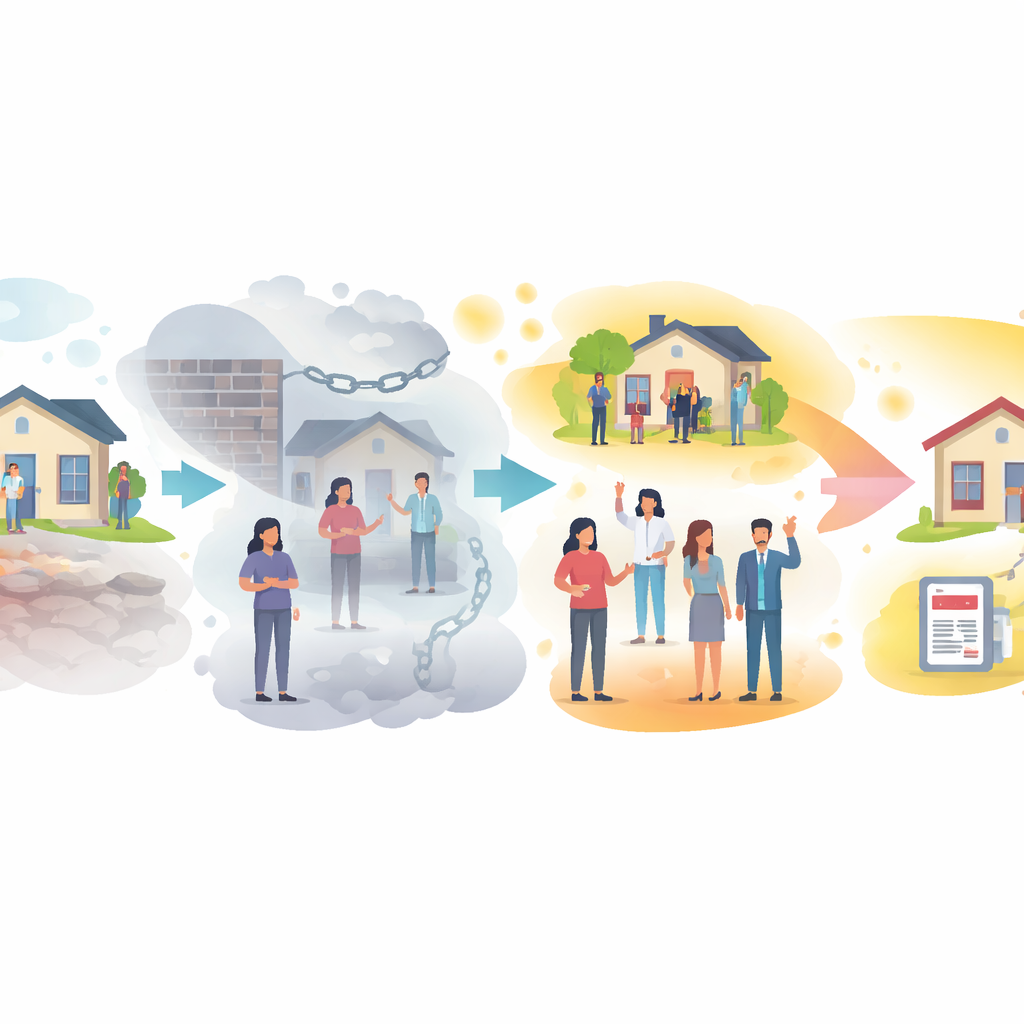
In plain terms, this study shows that low rates of home radon testing are not just about laziness or ignorance. They stem from fear of costs, gaps in understanding, weak rules, mistrust of institutions, and confusion over who should bring up the issue—doctors, real estate agents, or public health officials. Encouraging more testing will likely require coordinated efforts that make radon an ordinary part of home buying and renting, weave it into routine medical and public health conversations, and offer straightforward guidance and affordable next steps. By aligning messages and responsibilities across health, housing, regulatory, and environmental groups, communities can make it far easier for everyday people to notice this hidden gas and take simple steps to protect their lungs.
Citation: Iuliano, K., Papas, S., Greco, K.J. et al. A qualitative study exploring barriers and motivators influencing home radon testing decisions and behaviors. Sci Rep 16, 8764 (2026). https://doi.org/10.1038/s41598-026-39513-4
Keywords: radon testing, lung cancer risk, indoor air quality, health behavior, environmental health policy