Clear Sky Science · en
Changing the fate of rangelands through behavioral nudges for sustainable land use and management using an extended theory of planned behavior
Why the Future of Grasslands Matters to Us All
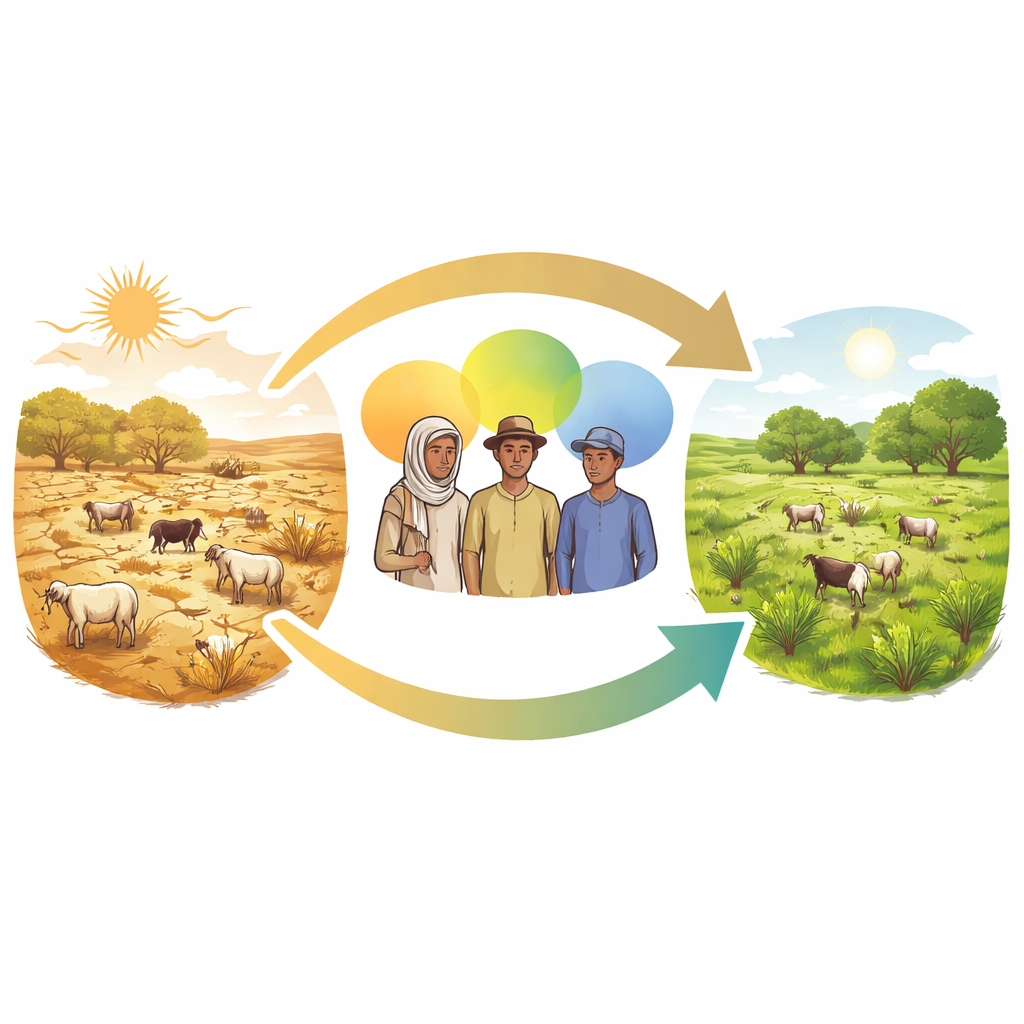
Across vast dry regions of the world, including much of Iran, open grasslands and shrublands—known as rangelands—quietly support food, jobs, and wildlife. Yet many of these landscapes are being pushed to the brink by overgrazing, land conversion, and short‑term decisions. This study looks not at fences or fertilizers, but at people: what makes pastoralists, the families who herd livestock on these lands, choose practices that either damage or protect rangelands? By probing the beliefs, values, and sense of responsibility that guide their choices, the authors show how small “behavioral nudges” could help shift fragile ecosystems from decline toward recovery.
From Shared Pastures to Strained Landscapes
Rangelands cover more than half of Iran and provide grazing for livestock, protection against erosion, and habitat for plants and animals. In Fars Province alone, millions of hectares of rangelands underpin local livelihoods and rural economies. But years of land‑use change, inappropriate grazing, tree cutting, and fires have depleted vegetation and soils. As grasses thin out and shrubs disappear, pastoralists lose reliable feed for their animals, and communities face greater poverty, conflict, and vulnerability to climate extremes. Because pastoralists are the day‑to‑day decision‑makers on these lands, understanding why they choose certain practices is essential for designing policies that can actually work on the ground.
Peering Inside Everyday Decisions
The researchers turned to a well‑known framework from psychology called the “theory of planned behavior,” which explains how people’s intentions grow out of their attitudes, social pressures, and sense of control. They extended this framework in two important ways. First, they added awareness of consequences—how clearly people grasp the damage caused by unsustainable use. Second, they included moral norms—the inner feeling that one ought to protect the land for others and for future generations. The team surveyed 248 randomly selected pastoralists in Fars Province, all of whom held official grazing permits. Through detailed questionnaires, they measured these inner drivers along with the pastoralists’ stated intentions to manage rangelands in more sustainable ways.
What Most Strongly Shapes Intentions
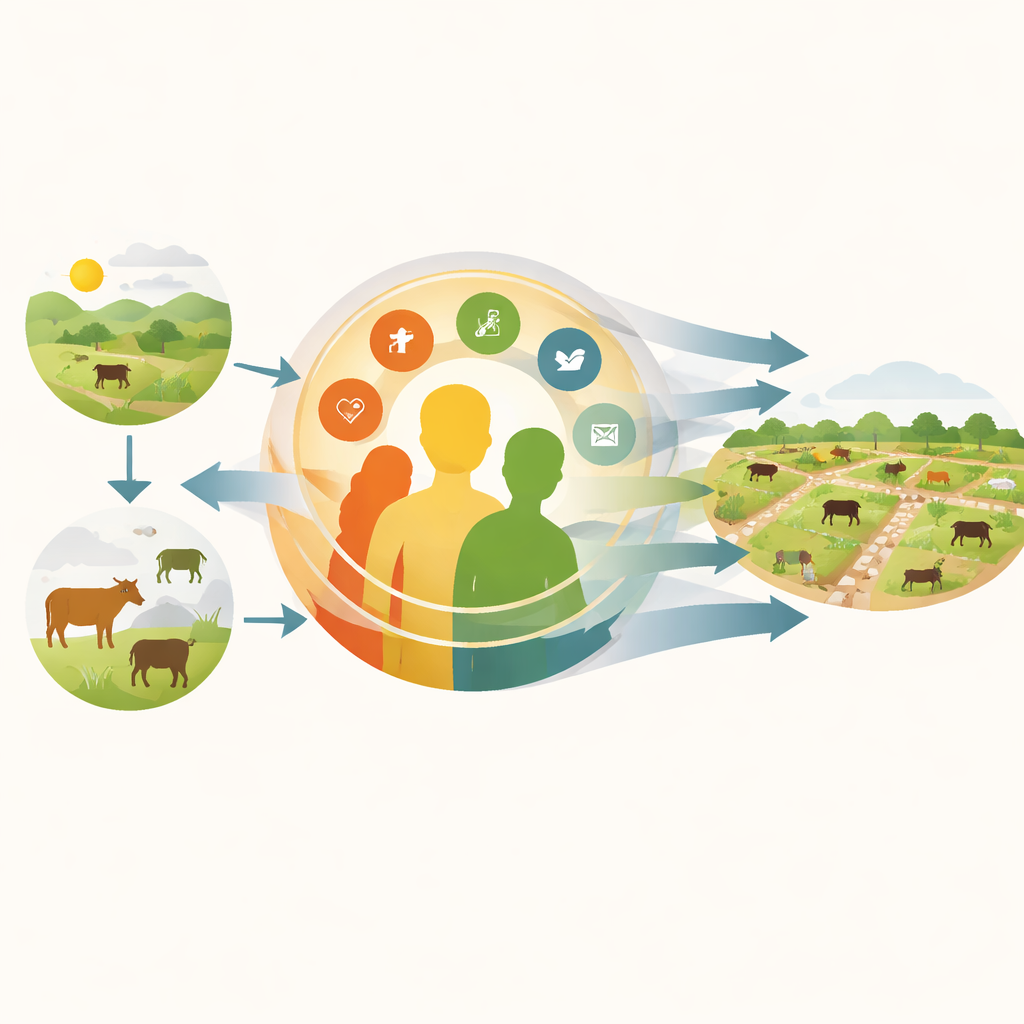
When the responses were analyzed using structural equation modeling, a striking pattern emerged. Pastoralists who held positive views about sustainable land use—seeing it as beneficial for their herds, families, and landscapes—were more likely to intend to adopt such practices. Even more powerful was the role of moral norms: those who felt a personal duty to safeguard rangelands showed the strongest intention to act sustainably. Awareness of the consequences of degradation mattered in two ways. It directly increased intentions, and it also strengthened moral norms: pastoralists who clearly understood how overuse leads to soil erosion, biodiversity loss, and fragile livelihoods felt a stronger moral pull to change. Together, the extended set of psychological factors explained about three‑quarters of the variation in intentions, an unusually high level for social research.
When Control and Social Pressure Fall Short
Not all expected influences were important. The study found that feeling in control of one’s ability to manage land sustainably, and the sense of social pressure from family or neighbors, did not significantly boost intentions. In Iran’s tightly regulated rangeland system, many key decisions—such as grazing rules and land‑use rights—are set by government authorities, which can leave pastoralists feeling that their own actions matter less. Economic instability and uneven enforcement may also weaken the impact of peer expectations. These findings suggest that, in this context, simply telling people that “everyone else is doing it” or offering new techniques without real decision‑making power may have limited effect compared with nurturing moral responsibility and clear understanding of consequences.
Turning Insights into Action on the Ground
The authors argue that policies should treat pastoralists not just as resource users, but as potential stewards whose values can be activated. Education and extension programs that vividly illustrate the long‑term effects of degradation—using local examples, simple language, and visual comparisons of healthy versus damaged rangelands—can raise awareness and trigger moral concern. School lessons, radio programs, and community meetings can help weave respect for rangelands into local culture. At the same time, more participatory governance, secure grazing rights, and flexible rules can gradually restore pastoralists’ sense of control, allowing their intentions to translate into real change on the land.
A Pathway to Healthier Lands and Livelihoods
In plain terms, this study shows that saving rangelands is as much about hearts and minds as it is about grass and rain. When pastoralists understand what is at stake and feel a moral duty to care for their environment, they are far more inclined to adopt sustainable practices. By designing interventions that strengthen awareness and moral commitment—and by aligning formal policies with local values—governments and communities can nudge everyday choices toward long‑term stewardship. If applied widely, these behavioral insights could help shift rangelands from a path of slow decline to one of recovery, resilience, and shared prosperity.
Citation: Valizadeh, N., Bazrafkan, K., Haji, L. et al. Changing the fate of rangelands through behavioral nudges for sustainable land use and management using an extended theory of planned behavior. Sci Rep 16, 9252 (2026). https://doi.org/10.1038/s41598-026-39511-6
Keywords: rangeland management, pastoralists, behavioral nudges, sustainable land use, environmental psychology