Clear Sky Science · en
Psychological traits predict who uses self-help products but usage is not associated with two-year personality change
Why this matters for everyday self-improvement
Bookstore shelves, podcasts, and phone screens are packed with products that promise to help us become happier, calmer, and more successful. Many people turn to these tools instead of, or before, seeking professional help. This study asks two simple but important questions: Who actually uses self-help products, and do they meaningfully change people’s personalities or overall satisfaction with life over several years?
Who is drawn to self-help tools
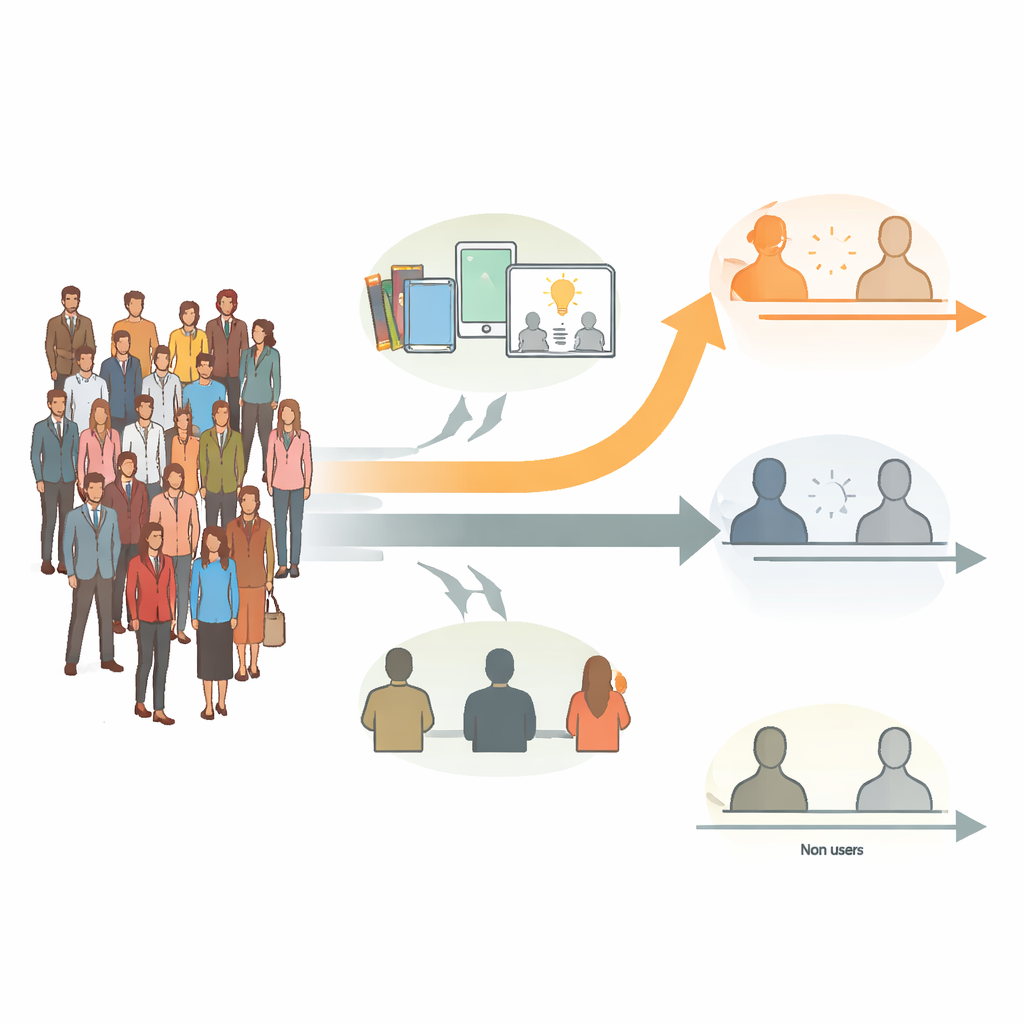
The researchers followed a nationally representative group of nearly 2,400 adults in Switzerland over two years, surveying them five times. In the final survey, participants reported whether they had ever used self-help products such as books, apps, podcasts, seminars, or coaching. About 60% said they had used at least one such tool, and more than half had spent money on them. Self-help books were by far the most common, followed by smartphone apps, seminars or workshops, and podcasts. This confirms that self-help is not a niche hobby but a normal part of many people’s lives.
Personality and background of typical users
To understand who gravitates toward self-help, the team combined these reports with earlier measures of personality, thinking ability, life satisfaction, self-esteem, and social background. Women and younger adults were more likely than men and older adults to have used self-help. People with more education and more politically progressive views were also more likely users, although these links weakened once other factors were considered together. Psychologically, those who scored higher on curiosity and openness to new experiences stood out as especially likely to use self-help products. People who wanted to become more organized and disciplined (a trait psychologists call conscientiousness) were also more inclined to use such tools.
Hidden dissatisfaction behind the self-help boom
Looking at each factor on its own, self-help use was more common among people who felt less satisfied with their lives, had lower self-esteem, and were more emotionally unsettled. These patterns were particularly strong for app-based tools, which were popular among people who worried more or felt less secure about themselves. Many self-help users also reported stronger wishes to change several personality traits at once, such as becoming more outgoing, more emotionally stable, and more open. Together, these findings suggest that self-help products especially attract younger, educated, open-minded people who are both ambitious and somewhat dissatisfied with how they currently see themselves.
What happens to personality and well-being over time
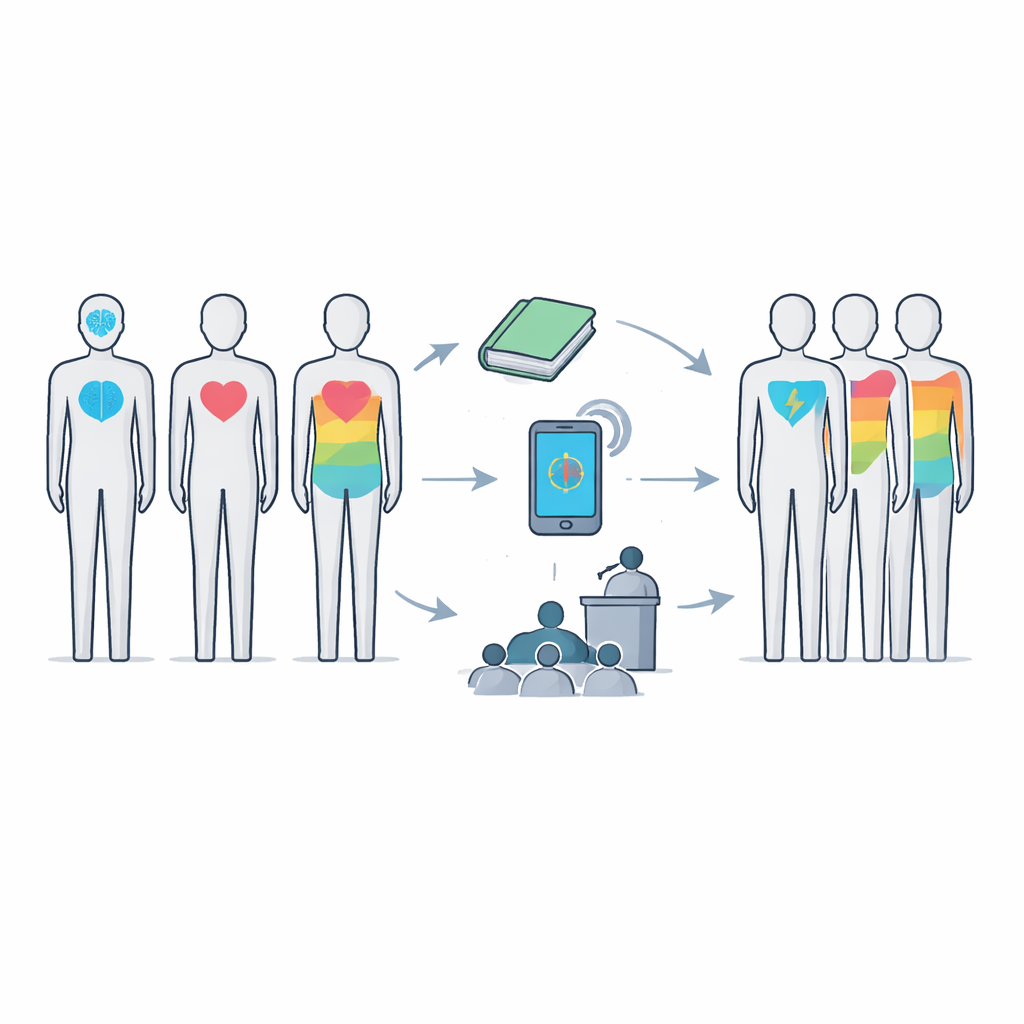
The crucial question is whether using these products is linked to meaningful psychological change. The study tracked the “Big Five” personality traits, life satisfaction, and self-esteem over five survey waves across two years. Overall, people changed only slightly, and often in a less positive direction—on average becoming a bit less organized and a bit less satisfied with life, which is consistent with other research on adult development. However, self-help users and non-users showed very similar patterns. Whether someone had used self-help products, paid for them, spent much or little time with them, or believed strongly in their effectiveness did not meaningfully alter their personality or well-being trajectories.
What this means for your self-help habits
For everyday readers, the main takeaway is sobering but useful: self-help products are widely used and especially attractive to people who are curious, striving, and somewhat dissatisfied—but in this large real-world sample, using them did not translate into noticeable changes in basic personality or in how satisfied and confident people felt over two years. This does not mean that every individual book, app, or program is useless; rather, it suggests that the average product on the market, used in everyday ways, may not be powerful enough to reshape who we are at a deep level. The authors argue that more carefully designed and scientifically tested tools are needed, along with better information for the public, so that people can make informed choices about when self-help is likely to help and when more structured support might be necessary.
Citation: Krämer, M.D., Asselmann, E., Harzer, C. et al. Psychological traits predict who uses self-help products but usage is not associated with two-year personality change. Sci Rep 16, 8393 (2026). https://doi.org/10.1038/s41598-026-39468-6
Keywords: self-help products, personality traits, well-being, self-improvement, personality change