Clear Sky Science · en
Unveiling the prevalence of sexually transmitted infections and its etiology among married women of remote South Andaman Island in India
Hidden health risks in a remote island community
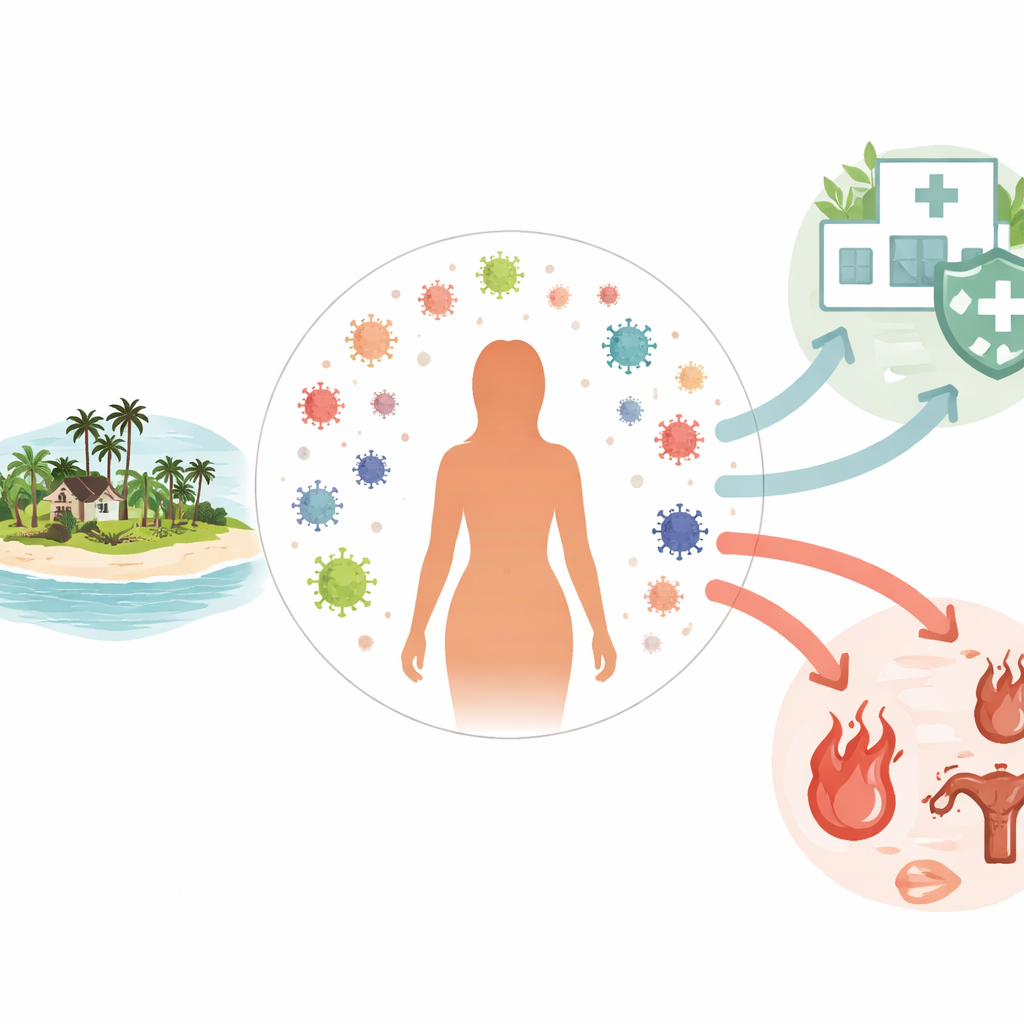
On the map, South Andaman looks like a tropical getaway. But for many married women living there, silent infections are quietly eroding their health and fertility. This study lifts the curtain on how common sexually transmitted infections (STIs) are in this remote Indian island district, why married women are especially vulnerable, and how everyday factors like work, contraception, and menstrual hygiene shape their risk. The findings matter far beyond one island, offering a window into the challenges women face in many hard-to-reach communities worldwide.
Why focus on married women
STIs are often framed as a problem of casual sex or multiple partners, yet this research shows that marriage is no guarantee of safety. In many settings, women have little power to insist on condoms or to question a partner’s fidelity. Social stigma and strict norms make it hard to talk about sexual health or seek care for intimate symptoms. The researchers set out to understand how these realities play out for married women aged 18 to 49 in South Andaman who came to clinics with complaints such as unusual vaginal discharge, itching, or pelvic pain. By combining detailed interviews with modern laboratory testing, they could look beyond guesses and self-reports to detect specific infections.
What the study found
Among 813 married women who took part between 2021 and 2024, a little more than one in seven had at least one STI. Hepatitis B virus was the single most common infection, followed by a group of organisms including Ureaplasma, Trichomonas vaginalis, herpes simplex virus type 2, and the bacterium that causes syphilis. In contrast, two well-known bacterial culprits, Chlamydia trachomatis and Neisseria gonorrhoeae, appeared at lower levels than reported in some other regions. Younger women in their early thirties were more likely to carry chlamydia, while women over 35 more often had other infections. Many infected women reported only one lifetime sexual partner, underscoring that their risk did not come from their own sexual behavior alone.
Everyday life and infection risk
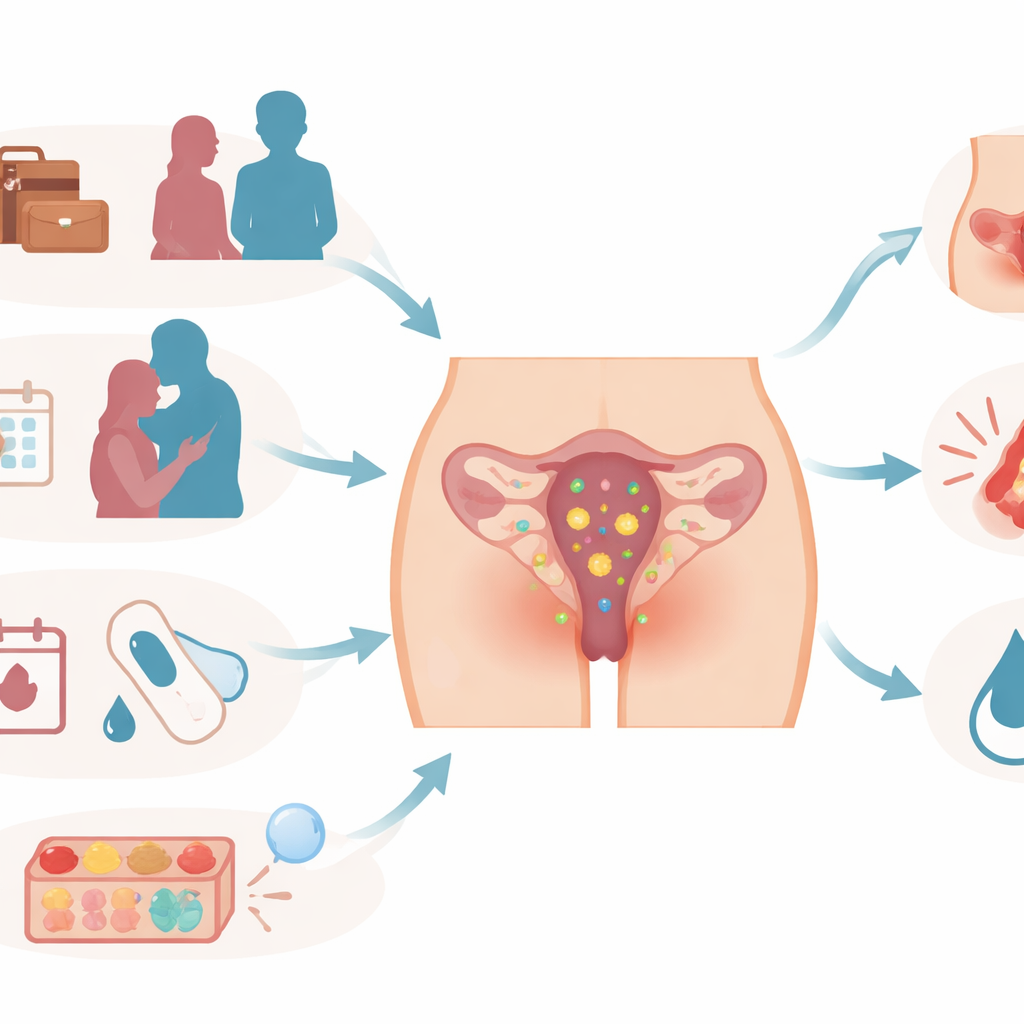
The study dug into how age, work, family planning, and menstrual habits intersect with infection. Most infected women were unemployed, suggesting that limited income and dependence on a partner may restrict access to care and bargaining power in relationships. About half of all participants had never used any contraception; those who did not use barrier methods such as condoms were more likely to test positive for several infections, especially gonorrhea. Early sexual debut—starting sex before age 16—was more frequent among women with herpes or syphilis. The research also highlighted menstrual hygiene as an overlooked factor. Women who used very few sanitary pads during their periods, or relied heavily on cloth or cotton pads, were more often found among several infection groups, hinting that poor menstrual practices may irritate tissues and disturb the protective balance of microbes in the genital tract.
What symptoms can signal trouble
Because many STIs can be silent, the team paid close attention to the symptoms that did bring women into clinics. Abnormal vaginal discharge, chronic pelvic pain, lower abdominal pain, itching, and painful urination each clustered with different infections. For example, Ureaplasma and Trichomonas were frequently linked to unusual discharge, while women with Ureaplasma often reported long-lasting pelvic pain. Lower abdominal pain was particularly common among those with Trichomonas. These patterns reinforce that what might seem like routine discomfort or “normal” women’s problems can in fact be signs of infections that, if left untreated, may lead to infertility, chronic pain, or complications in pregnancy.
What it means for women’s health
For a general reader, the takeaway is clear: being married and living in a remote community does not shield women from sexually transmitted infections. On South Andaman, many married women face a real, if largely invisible, burden of infection, shaped by unemployment, early sexual activity, lack of condom use, and gaps in knowledge about STIs and menstrual health. The authors argue that the solution is not only better tests and treatments, but also respectful, culture-sensitive education, routine screening in primary care, and open conversations that reduce stigma. In essence, improving women’s control over their sexual and reproductive health could turn STIs from a hidden threat into a manageable, preventable part of everyday healthcare.
Citation: Vins A V, A., Parvez, R., Thiruvenkadam, K. et al. Unveiling the prevalence of sexually transmitted infections and its etiology among married women of remote South Andaman Island in India. Sci Rep 16, 9356 (2026). https://doi.org/10.1038/s41598-026-39451-1
Keywords: sexually transmitted infections, married women, South Andaman, reproductive health, menstrual hygiene