Clear Sky Science · en
Exogenous myrosinase from mustard seed increases bioavailability of sulforaphane from a glucoraphanin-rich broccoli seed extract in a randomized clinical study
Why Broccoli and Mustard Matter
Many people eat broccoli because they have heard it is a “superfood,” but few know that its most powerful protective ingredient depends on how our bodies unlock it. This study explores a simple idea with big implications: can adding natural enzyme from mustard seeds help us get more of broccoli’s health-boosting compound, sulforaphane, from a capsule form of broccoli seed? The results suggest that pairing these foods could significantly increase the body’s access to one of the most promising diet-based defenders against inflammation and chronic disease.
The Hidden Power Inside Broccoli
Broccoli and its relatives in the cabbage family are rich in a substance called glucoraphanin, which by itself is mostly inactive. When glucoraphanin is broken apart, it turns into sulforaphane, a compound known to strengthen the body’s own antioxidant defenses, support detoxification of pollutants, and help calm overactive inflammation linked to heart disease, diabetes, and some cancers. In fresh, raw plants this transformation happens when the plant’s own enzyme, myrosinase, meets glucoraphanin as we chew. Cooked vegetables and many supplements have very little active myrosinase, so they depend on enzymes from gut bacteria to do the job, and that bacterial help varies a lot from person to person. 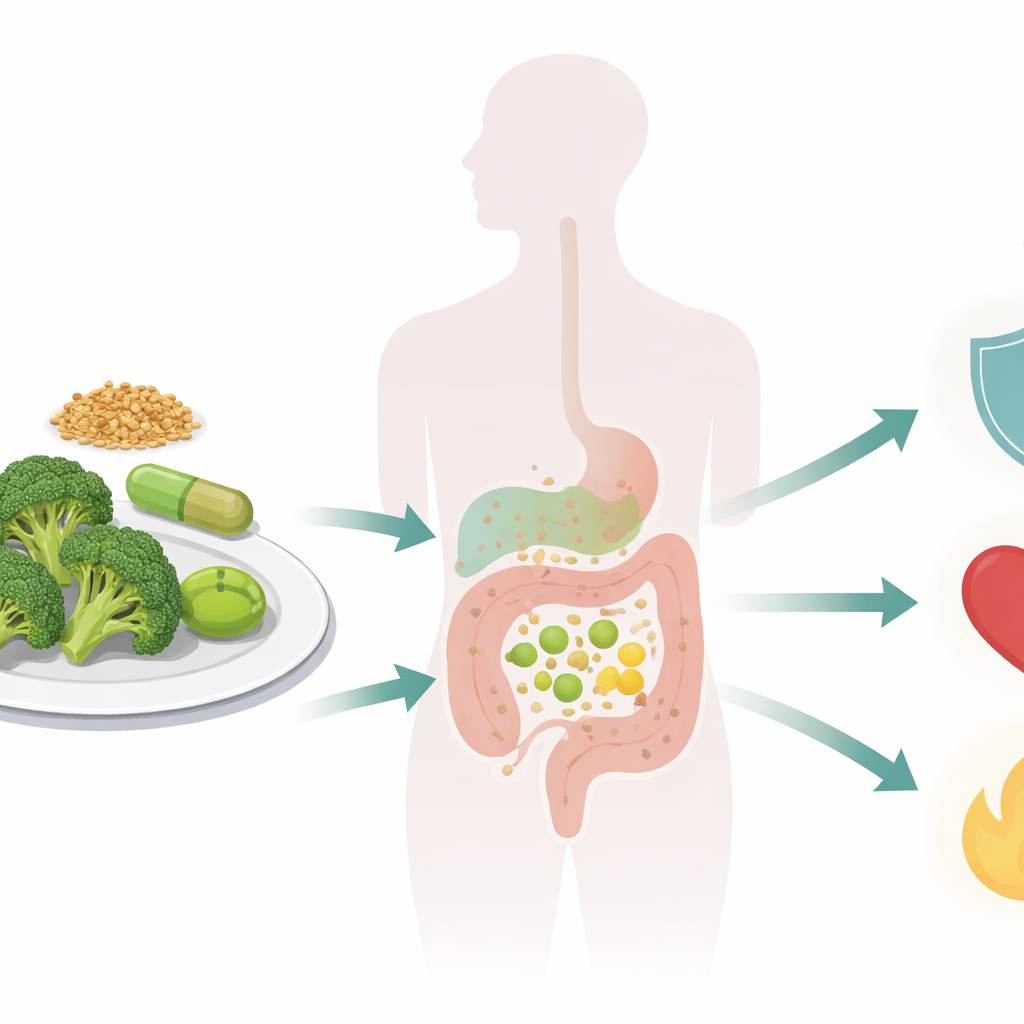
Testing a Broccoli–Mustard Team-Up
To see whether adding an outside source of enzyme could improve sulforaphane production, researchers ran a randomized, double-blind, crossover trial in sixteen healthy adults. Everyone took two different capsule treatments on separate days, with a two-week break in between. Both treatments contained the same dose of glucoraphanin from a carefully standardized broccoli seed extract, plus vitamin C, which helps the enzyme work. In one treatment, the capsules also contained mustard seed powder that naturally supplies active myrosinase. In the other, there was no enzyme, so conversion had to rely mainly on each person’s gut microbes. The scientists collected all urine for 24 hours after each dose to see how much sulforaphane and its breakdown products the body produced and excreted.
More Enzyme, More Sulforaphane
The difference was striking. When participants took broccoli seed extract alone, they converted on average about one fifth of the glucoraphanin dose into sulforaphane and its main metabolites. When mustard seed enzyme was added, that fraction roughly doubled to nearly 40 percent, placing this combination at the high end of what has ever been seen in human studies. The timing also changed: with the enzyme, about two thirds of the sulforaphane-related compounds appeared in urine within the first eight hours, suggesting that most conversion happened quickly in the small intestine. Without the enzyme, much less was produced in that early window, implying slower, less efficient processing by bacteria further down the gut. The researchers also saw hints that men and women might differ in how well they convert glucoraphanin without added enzyme, though this needs confirmation in larger studies.
The Role of Gut Bacteria
Because intestinal microbes can also transform glucoraphanin, the team examined stool samples to look for patterns in bacterial genes known to take part in this chemistry. Overall, a single supplement dose did not noticeably reshape the gut community. However, people who naturally converted more glucoraphanin when taking the broccoli extract alone tended to carry higher levels of several specific genes from a common gut species called Bacteroides thetaiotaomicron. These genes had been shown in earlier lab work to be key steps in turning glucoraphanin into sulforaphane. Interestingly, when mustard enzyme was present, these microbial gene counts no longer predicted how much sulforaphane people made, underscoring that the added enzyme largely bypassed the need to rely on gut bacteria. 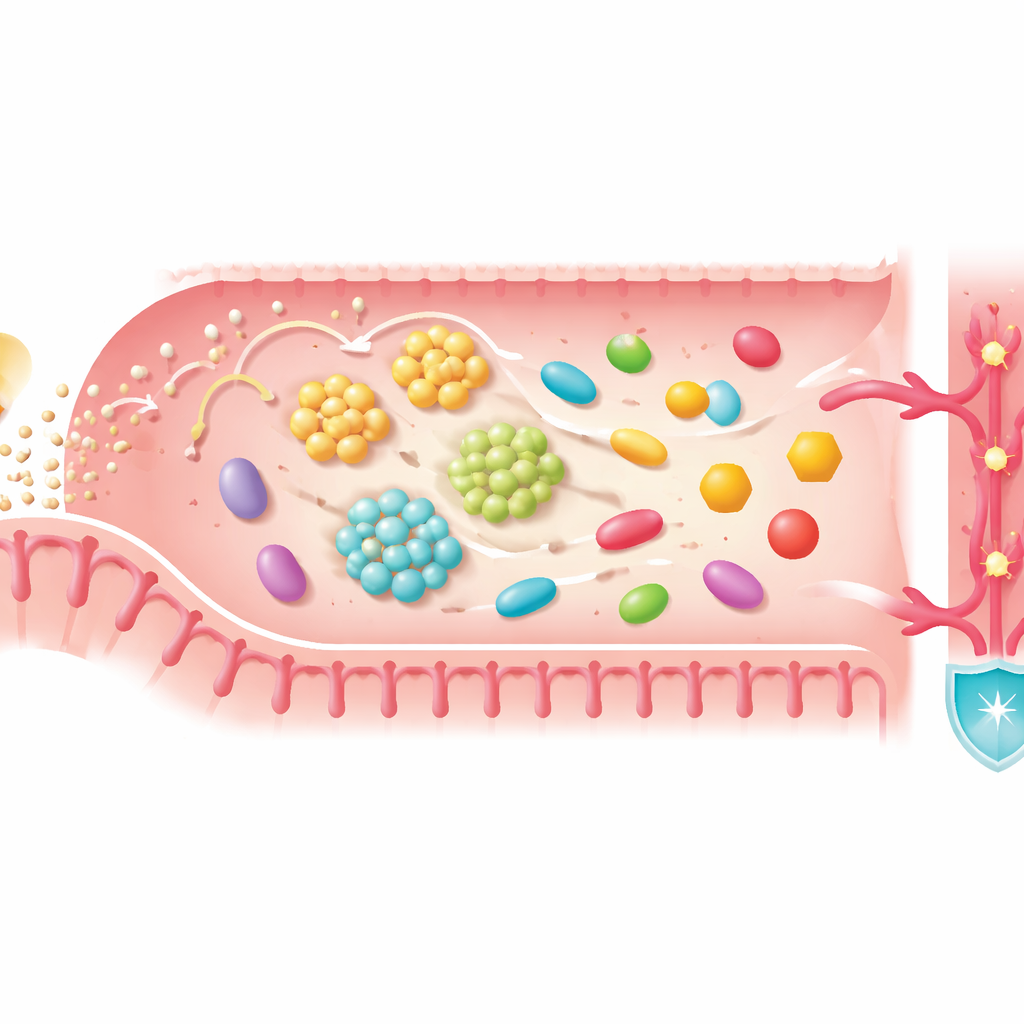
What This Could Mean for Everyday Health
For consumers and clinicians, the study delivers a clear, easy-to-grasp message: how glucoraphanin is delivered strongly influences how much sulforaphane the body actually sees. A capsule combining broccoli seed extract with active myrosinase from mustard seeds and vitamin C more than doubled sulforaphane availability compared with the same glucoraphanin dose alone. Because sulforaphane has repeatedly been linked to antioxidant, anti-inflammatory, and detoxification benefits, this enhanced delivery could make diet or supplement strategies more reliable, especially for people whose gut microbes are poor converters. The work also opens the door to using a person’s microbial gene profile to predict who will benefit most from glucoraphanin by itself versus paired with an enzyme source, helping tailor future nutrition-based approaches to preventing and managing inflammation-related diseases.
Citation: Mastaloudis, A., Holcomb, L., Fahey, J.W. et al. Exogenous myrosinase from mustard seed increases bioavailability of sulforaphane from a glucoraphanin-rich broccoli seed extract in a randomized clinical study. Sci Rep 16, 9162 (2026). https://doi.org/10.1038/s41598-026-39389-4
Keywords: broccoli, sulforaphane, mustard seed, gut microbiome, dietary supplements