Clear Sky Science · en
SCARF1 deficiency exacerbates gut inflammation and autoimmune pathology
When Gut Clean-Up Goes Wrong
Autoimmune diseases like lupus can feel mysterious: the body’s defenses suddenly turn on its own tissues. This study looks at an unexpected player in that process—a molecule called SCARF1 that helps the body quietly dispose of dying cells—and shows how its failure in mice disrupts gut bacteria, fuels inflammation, and worsens lupus-like disease. The work hints that protecting a healthy gut community, or restoring specific helpful microbes, could become part of future lupus treatments.
A Molecular Janitor in the Gut
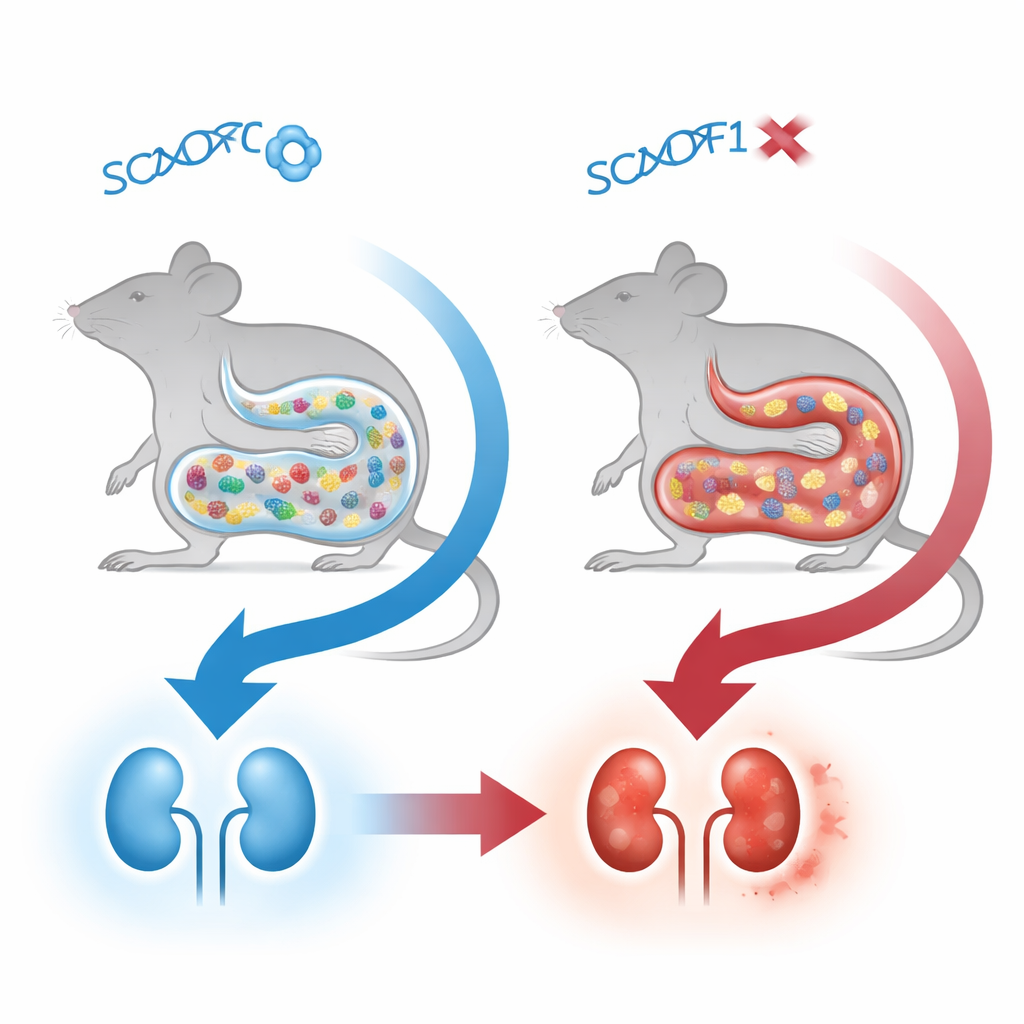
Every day, billions of our cells reach the end of their lives and must be safely cleared away. SCARF1 acts as a kind of molecular janitor, helping immune cells recognize and remove this cellular debris before it leaks irritating contents. In earlier work, the authors showed that mice lacking SCARF1 develop key signs of lupus, including autoantibodies, kidney damage, and skin problems. Because most of the body’s immune cells sit in and around the intestines, they wondered whether the absence of SCARF1 also upsets gut balance and contributes to disease.
Visible Damage Inside the Intestine
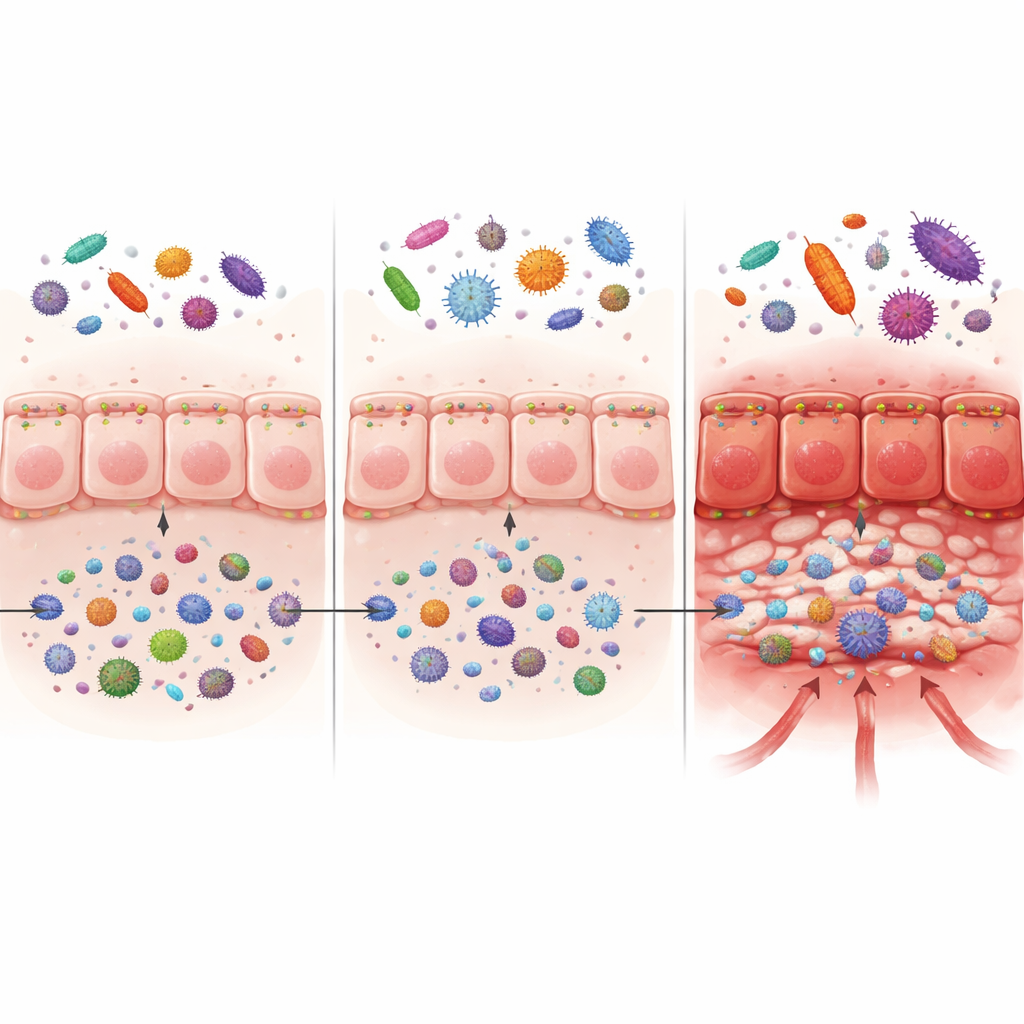
When the team examined the digestive tracts of SCARF1-deficient mice, they found striking physical changes. The intestines—especially the colon—were longer, and under the microscope the gut wall was packed with extra immune cells and showed distorted structure, all signs of ongoing inflammation. Using fluorescent stains that highlight dying cells, the researchers saw much more cellular debris lingering in the gut lining of SCARF1-lacking mice and even in animals with only a partial loss of the molecule. This buildup supports the idea that when the clean-up system fails, the gut becomes a chronic irritation zone.
Microbial Balance Tips Toward Trouble
The scientists then turned to the trillions of microbes that inhabit the gut. By sequencing DNA from stool samples, they measured how many different types of bacteria were present and how evenly they were represented. Healthy mice with normal SCARF1 had a richer, more varied bacterial community. In contrast, mice without SCARF1, especially females, showed classic signs of “dysbiosis”—reduced diversity and a skewed balance between two major bacterial groups often linked to disease. One notable finding was the near-complete absence of Akkermansia muciniphila, a species tied in other studies to strong gut barriers and lower inflammation, while potentially harmful groups such as Alistipes, Lachnospiraceae, and certain Clostridium species became more abundant.
Linking Microbes to Disease Severity
To see whether these microbial changes mattered for illness, the researchers built a disease score for each mouse, combining measures like autoantibody levels, hair loss, kidney damage, and the amount of dying-cell debris in the gut. Mice with higher scores—meaning worse lupus-like disease—tended to have fewer beneficial bacteria such as Akkermansia and Bacteroidales, and more of the groups previously associated with inflammation and metabolic problems. Analyses of microbial genes suggested that bacteria in SCARF1-deficient mice were less able to support healthy cell membranes and certain protective fatty acids, and more tilted toward pathways linked with cell growth and potential barrier disruption, changes that could further fuel inflammation.
What This Means for Lupus and the Gut
Together, the findings paint a stepwise picture: when SCARF1 is missing, dying cells accumulate in the intestine, the gut wall becomes inflamed and structurally altered, the microbial community shifts toward a less friendly mix, and lupus-like symptoms worsen. For non-specialists, the key message is that a single failure in the body’s clean-up machinery can ripple outward—reshaping gut microbes and amplifying autoimmune disease. The work also strengthens interest in specific helpful species such as Akkermansia muciniphila as potential probiotic or microbiome-based therapies that might one day complement standard treatments to calm inflammation in lupus.
Citation: Shepard, D.M., Hahn, S., Chitre, M. et al. SCARF1 deficiency exacerbates gut inflammation and autoimmune pathology. Sci Rep 16, 8388 (2026). https://doi.org/10.1038/s41598-026-39378-7
Keywords: lupus, gut microbiome, autoimmune disease, intestinal inflammation, Akkermansia