Clear Sky Science · en
Evaluating short-term changes in helminth burdens using sequential community-based surveys in Rwanda
Why these hidden worms matter
In many parts of the world, tiny parasitic worms quietly sap people’s health, causing anaemia, poor growth in children and general fatigue. Rwanda has spent years fighting these infections by giving preventive medicines to whole communities. Yet, despite this effort, the worms have not disappeared. This study followed communities in Rwanda over a year to see how worm infections were changing, where they were hanging on, and what everyday factors like water sources, toilets and farming practices had to do with it.
Checking in on communities over time
Researchers returned to ten carefully chosen villages, called sentinel sites, that reflect Rwanda’s mix of climates, landscapes and ways of life. Over 2,500 people of all ages gave stool and urine samples and answered questions about their homes, jobs and access to water and toilets. The team focused on two main groups of parasites: soil-transmitted worms that live in the intestine, such as hookworm and roundworm, and schistosomes, which are spread through freshwater where tiny snails release infectious stages. These surveys took place one year after an earlier baseline visit and after two rounds of nationwide deworming campaigns, allowing the scientists to see short-term changes.
What the worm counts revealed
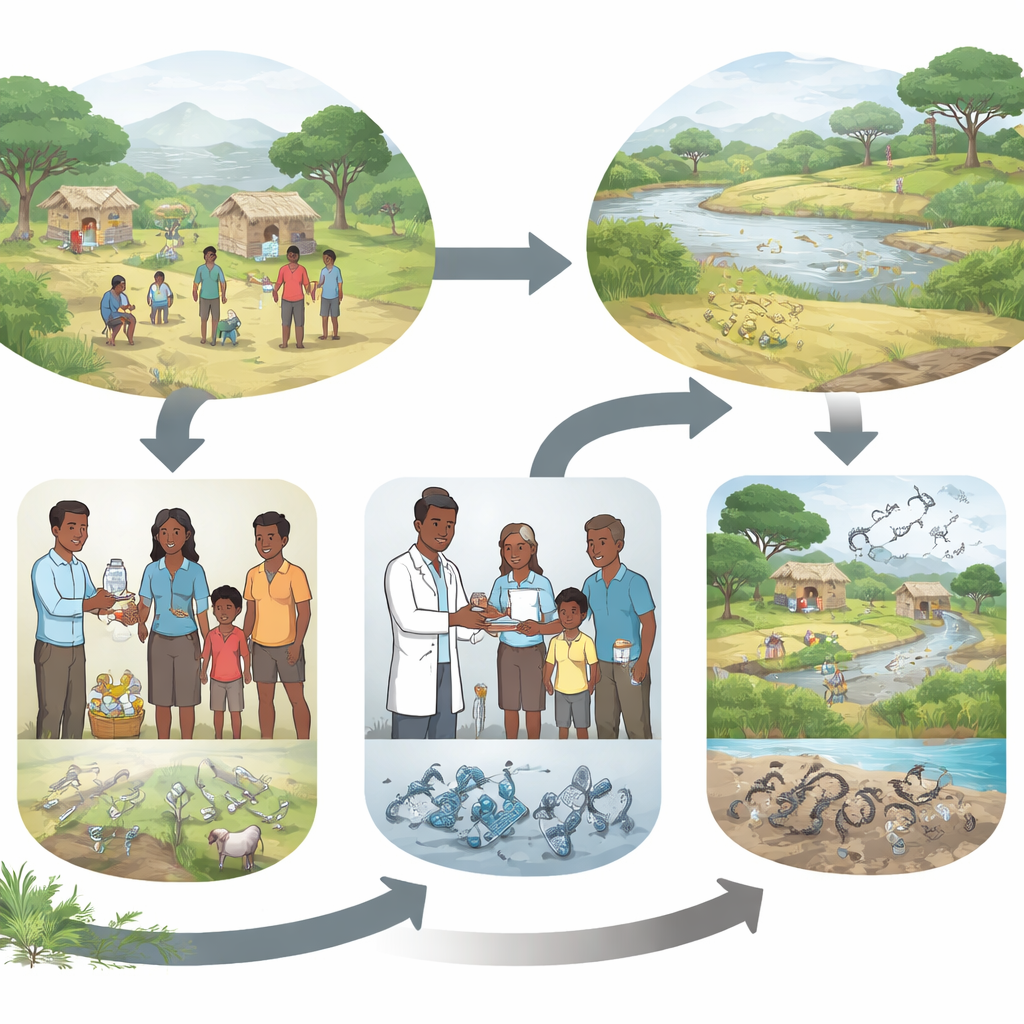
The results were a mix of progress and warning signs. Hookworm, the most common infection, dropped from about one in eight people at baseline to about one in fifteen a year later, and most infections were light. But overall intestinal parasite infection actually rose slightly, meaning that while some worm types went down, others held steady or appeared in pockets. Roundworm was most common among school-aged children, while hookworm mainly affected adults over 15. Schistosomiasis seemed rare when viewed under a microscope, but a more sensitive urine test showed that roughly twice as many people were carrying the parasite as microscopy alone suggested, especially in children.
Hotspots that refuse to fade
Looking at the map, the team found that infections were far from evenly spread. Some districts, especially Gisagara and Nyanza in the south, stood out as stubborn hotspots. In Gisagara, hookworm in adults remained above 12 percent, and in Nyanza, nearly one in three people tested positive for schistosomiasis with the urine test. These areas share features that favour transmission: irrigated rice fields, fish ponds and moist soils where worms and snails thrive, combined with farm work that keeps adults in close contact with contaminated water and soil. While mass drug administration appears to hold national averages in check, these local conditions allow the parasites to bounce back quickly between treatment rounds.
Everyday water and toilet habits
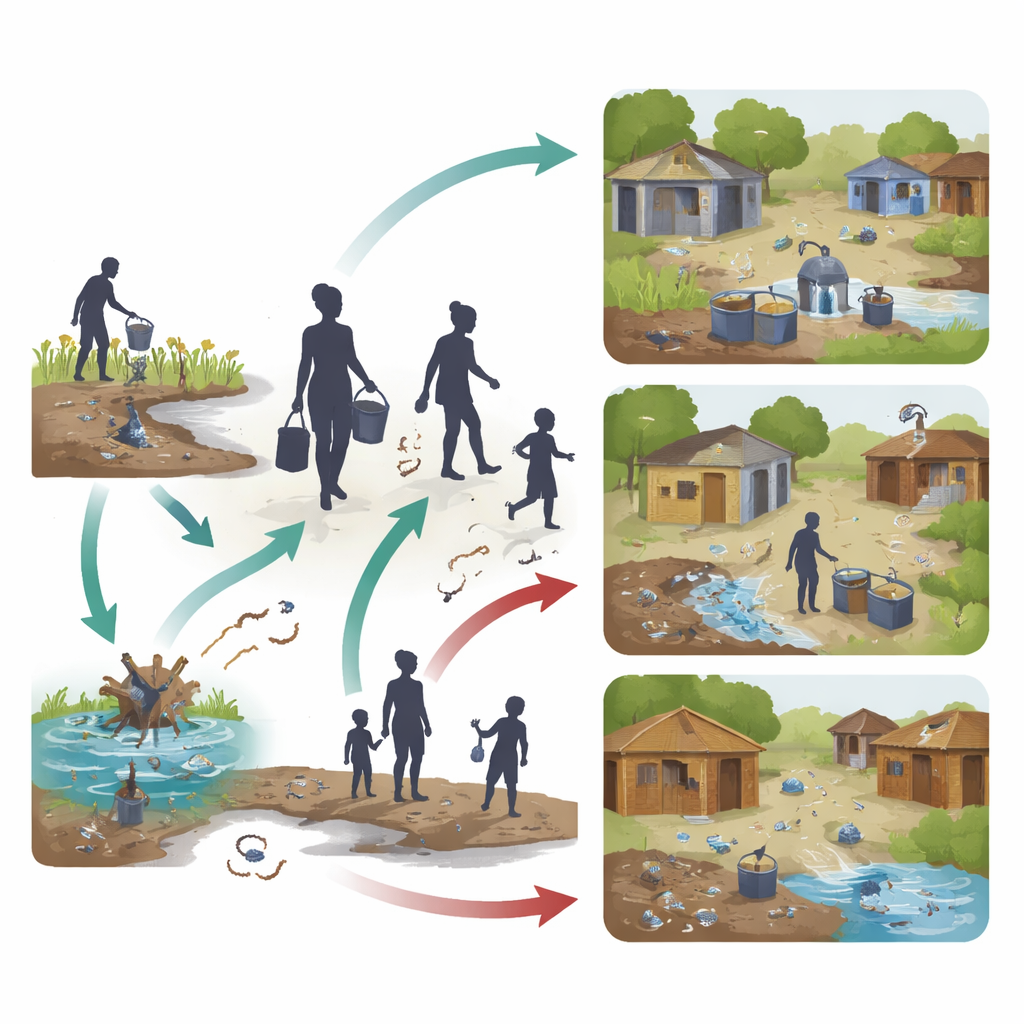
The study also showed how strongly daily life shapes infection risk. People relying on unsafe or “unimproved” drinking water sources had higher odds of carrying any intestinal parasite or schistosomiasis. Households that stored water safely, treated it, and had toilet facilities were much less likely to be infected. Using untreated human excreta as fertilizer—a practice in some farming communities—was linked with higher infection risk, likely because it seeds fields with parasite eggs. Spending longer hours at workplaces, especially for those with better facilities, and being able to read, both showed protective effects, hinting that informed choices and safer environments help people avoid exposure.
What it means for beating these infections
For a layperson, the main message is that deworming tablets are necessary but not enough. Rwanda’s repeated drug campaigns have reduced some worm infections, especially hookworm, but the parasites persist where unsafe water, poor sanitation and risky farming practices keep their life cycles going. The authors conclude that to truly break transmission, control efforts must become more local and integrated: pairing medicines with improved water and toilet infrastructure, safer handling of human waste, better environmental management of irrigation and snail habitats, and community engagement that builds knowledge and changes behaviour. Rwanda’s experience shows that with careful community monitoring and tailored solutions, countries can move from simply managing worm disease towards finally eliminating it.
Citation: Nshimiyimana, L., Rujeni, N., Mbituyumuremyi, A. et al. Evaluating short-term changes in helminth burdens using sequential community-based surveys in Rwanda. Sci Rep 16, 9358 (2026). https://doi.org/10.1038/s41598-026-39367-w
Keywords: intestinal worms, schistosomiasis, Rwanda, water and sanitation, mass drug administration