Clear Sky Science · en
Analysis of body composition with bioelectrical impedance analysis in different subtypes of pulmonary fibrosis
Why body makeup matters in lung scarring
Pulmonary fibrosis is a group of lung diseases in which the lungs slowly become scarred and stiff, making every breath harder work. Many people focus on lung function tests and scans, but this study asks a different question: what is happening to the rest of the body? Using a quick, noninvasive test called bioelectrical impedance analysis, the researchers examined how muscle, fat, and body water are distributed in people with different types of pulmonary fibrosis, and how this “body makeup” might relate to their health and flare‑ups of disease.
Looking beyond the bathroom scale
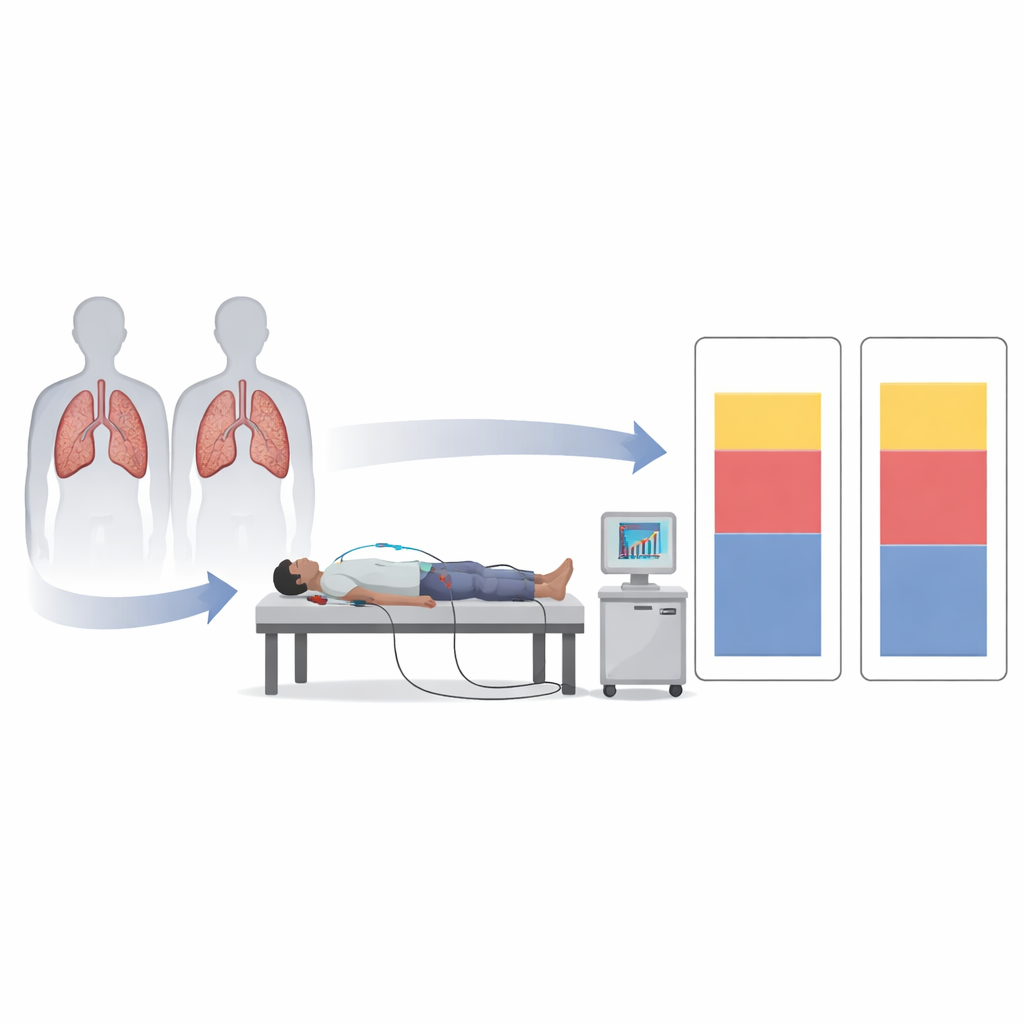
Traditional measures like weight and body mass index (BMI) can be misleading. A person may appear well nourished, even overweight, while actually having poor muscle mass or unhealthy shifts in body water. The team at a German lung clinic enrolled 90 adults with several forms of fibrotic lung disease, including autoimmune‑related scarring, hypersensitivity pneumonitis, idiopathic pulmonary fibrosis and unclassified interstitial lung disease. None were on antifibrotic drugs. Alongside standard lung tests, walking tests, blood work and CT scans of the lungs, each participant underwent a detailed body composition assessment with bioelectrical impedance analysis, which sends tiny electrical currents through the body to estimate fat, lean tissue and water compartments.
Taking the body’s electrical pulse
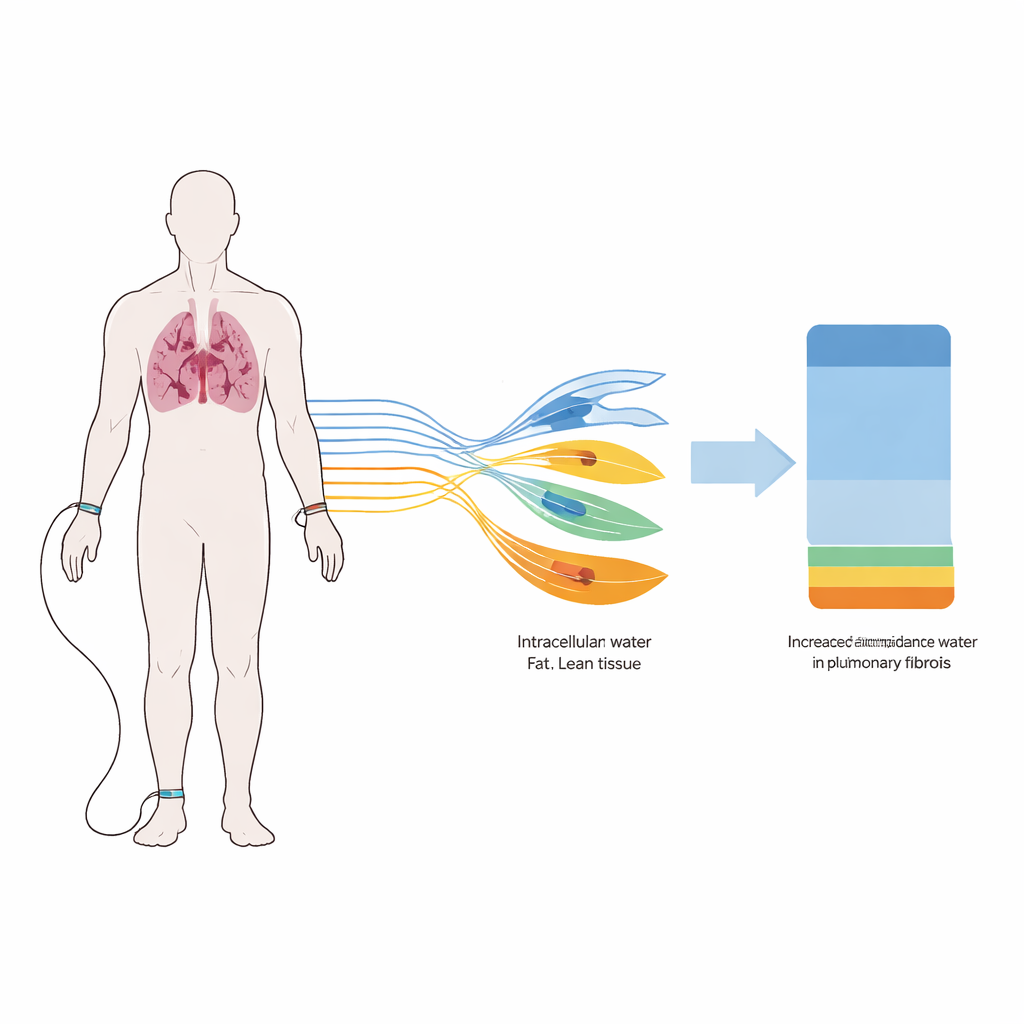
A key output of this method is the “phase angle,” a number that reflects how intact and healthy body cells are. Higher values generally mean more robust cell membranes and better nutritional status, while lower values point to frailer cells, fluid shifts and possible malnutrition. The researchers also looked at the balance between cell‑rich tissues and supporting structures like bone and connective tissue, expressed as the ECM/BCM index, and at the proportion of body mass made up of active cells (cell percentage). Together, these measures provide a far richer picture of physical condition than weight alone.
What the study found in everyday patients
On average, the participants were older (around 71 years) and mostly mildly to moderately limited in lung function. Yet their body composition looked surprisingly unhealthy when compared with healthy people of similar age. They had more body fat, lower cell percentage, and a higher ECM/BCM index, all signs of an unfavorable body makeup. Most strikingly, their phase angle values were clearly reduced, and four out of five patients fell below normal reference ranges. This pattern appeared even though nearly all patients had a BMI in the normal to overweight range, underlining that outward appearance and weight alone can easily hide deeper problems in tissue health.
Links to breathing, flare‑ups and sex
The study also explored how these body measures related to the lungs and daily life. People with better lung capacity (higher forced vital capacity) tended to have higher phase angles, higher cell percentages and a more favorable tissue balance, suggesting that as the lungs worsen, overall body health declines as well. However, other indicators such as gas exchange capacity, walking distance, a CT‑based fibrosis score and quality‑of‑life questionnaires did not clearly track with body composition. One finding stood out: patients who had suffered at least one acute exacerbation—a sudden, dangerous worsening of their disease—had lower phase angles and lower cell percentages than those without such events, even after accounting for age, sex and disease severity. Women in the study also showed worse cell health than men when compared with sex‑specific norms.
What this means for patients and care
For people living with pulmonary fibrosis, these results highlight that hidden changes in muscle, fat and body water are common, even when weight looks acceptable or high. A low phase angle and related measures point toward weaker cells and an unfavorable body makeup that may go hand in hand with worse lung function and a higher risk of flare‑ups. The authors argue that simple bedside tests of body composition could become part of routine care, helping doctors identify vulnerable patients earlier and tailor nutrition, exercise and rehabilitation programs. While this study is exploratory and cannot prove cause and effect, it suggests that protecting and improving the body’s overall condition may be an important new frontier in caring for people with scarred lungs.
Citation: Buschulte, K., Ehrhart, B., Kötter, B. et al. Analysis of body composition with bioelectrical impedance analysis in different subtypes of pulmonary fibrosis. Sci Rep 16, 8495 (2026). https://doi.org/10.1038/s41598-026-39350-5
Keywords: pulmonary fibrosis, body composition, bioelectrical impedance, phase angle, interstitial lung disease