Clear Sky Science · en
Respiratory physiology after resupination following prone ventilation to predict 28-day mortality in mechanically ventilated patients: a machine learning analysis
Why turning patients over matters
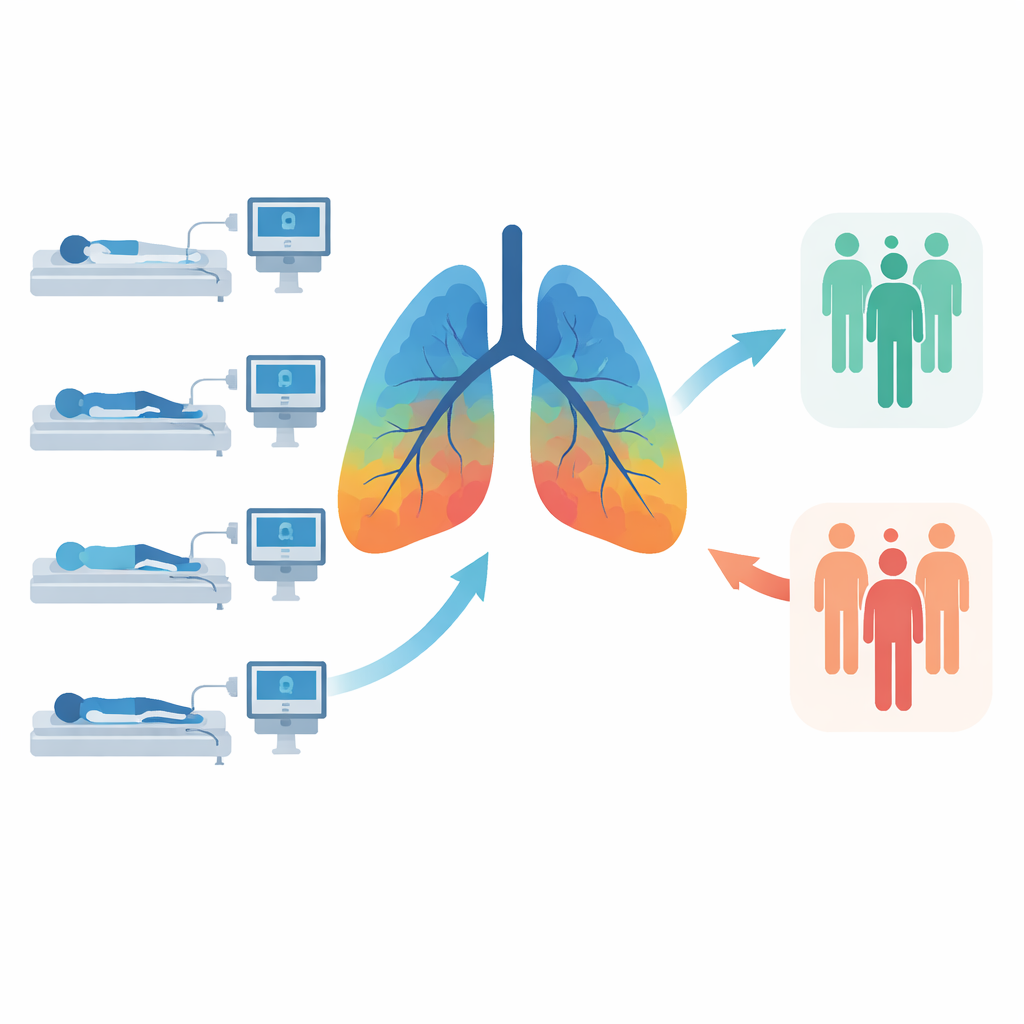
During the COVID-19 crisis, doctors caring for the sickest patients on breathing machines often turned them onto their stomachs, a maneuver called prone positioning. This simple change in posture can improve how air and blood move through damaged lungs. But it is demanding for staff and not without risks. This study asks a practical question with life-or-death consequences: after a patient is turned back onto their back, can the way their lungs behave help doctors predict who is likely to survive the next month—and guide whether to keep using this maneuver or switch to other treatments?
How doctors currently judge a turning session
In intensive care units, success of turning a patient onto their stomach is usually judged by a single number that reflects how well oxygen moves from the air into the blood. If that number rises quickly, the session is often considered a success; if not, some teams may abandon further sessions. Yet this focus on oxygen alone may miss other important signs of lung strain or hidden damage. The authors of this study suspected that what happens a few hours after the patient is turned back onto their back might reveal more about whether the lungs have truly recovered or merely showed a short-lived improvement.
Digging into real-world ICU data
To explore this, the researchers turned to a large Dutch database of adults with severe COVID-19 who needed mechanical ventilation in the ICU. They selected 522 patients who went through a clear sequence: lying on their back, then on their stomach, then back on their back again, all within the first period on the breathing machine and with the stomach-down period kept under 24 hours. For each person, they collected measures of blood gases and how stiff or elastic the lungs were during the four hours before the turn onto the stomach and during the four hours after being turned back. They then used modern computer techniques, including a method called machine learning, to see whether patterns in these numbers could forecast death within 28 days of starting ventilation.
What the numbers revealed about the lungs
When the researchers compared survivors and non-survivors, they found that traditional measures taken before turning patients onto their stomachs were quite similar between groups. The differences emerged after patients were returned to their backs. Those who died within 28 days tended to still need higher oxygen settings on the ventilator, showed poorer oxygen transfer from air to blood, and had signs that a larger portion of their breath was not participating in gas exchange—a clue to diseased or underfilled lung regions. Their lungs also appeared stiffer, forcing the ventilator to push harder with each breath. In contrast, survivors more often showed sustained improvements in oxygen transfer and could be supported with less oxygen, hinting at more successful recruitment of previously collapsed lung areas.
Letting computers find survival patterns
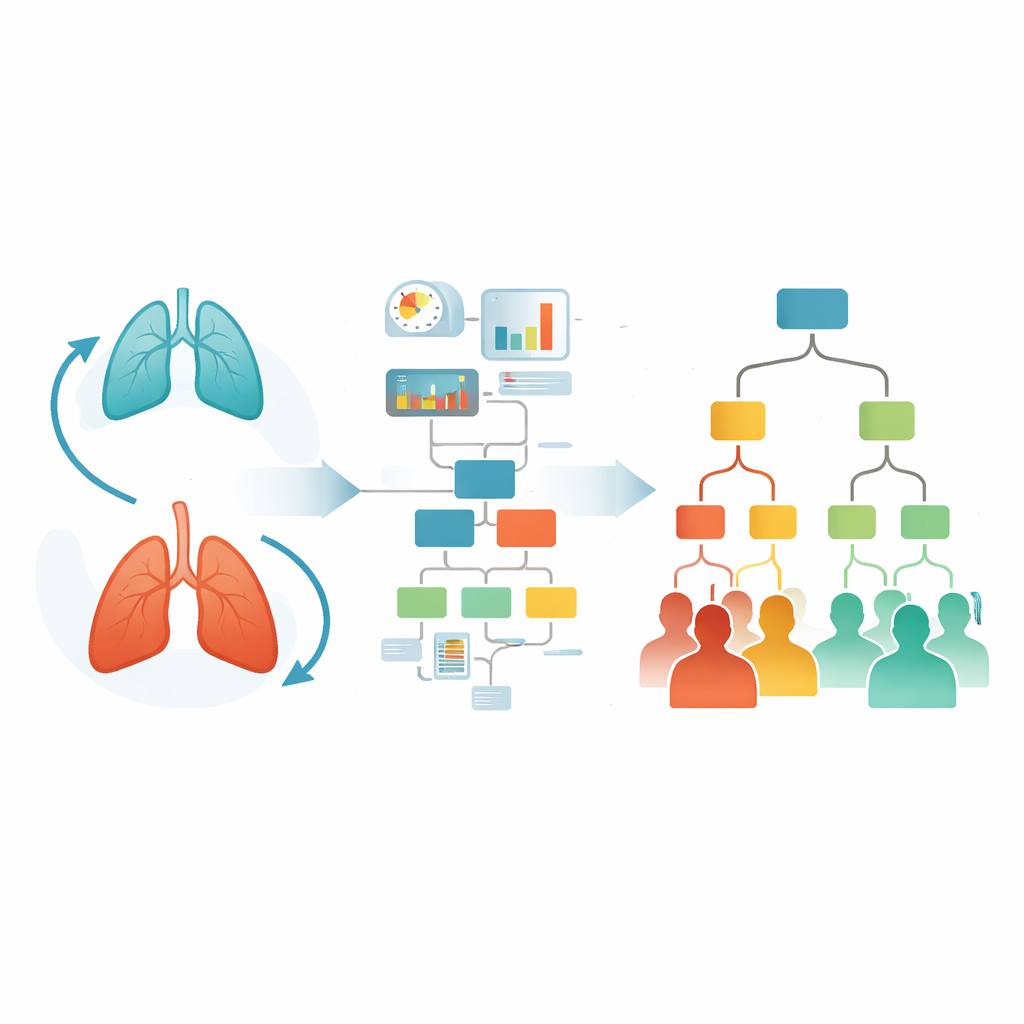
Because many of these lung measures are related to each other in complex ways, the team used machine learning models to combine them. They first narrowed down the most informative measurements, then trained several types of models on part of the patient group and tested them on the rest. No model was perfect, but all could distinguish survivors from non-survivors better than chance. A model known as XGBoost performed best overall, striking a balance between catching most of the patients who would die and not sounding too many false alarms. Certain features—especially the ratio of oxygen in the blood to oxygen delivered, the fraction of wasted breath that did not exchange gases, how stretchy the lungs were, and the amount of oxygen the ventilator still had to deliver—carried the most weight in the predictions.
What this means for bedside decisions
For patients and families, the key message is that how the lungs behave after a turning session may tell doctors more about likely survival than the immediate, often celebrated, bump in oxygen seen while the patient is on their stomach. This study suggests that a short set of routine measurements—taken a few hours after returning to the back—can help sort patients into higher- and lower-risk groups, even though the prediction is far from perfect. While the computer models need larger and more varied data to become truly reliable and easy to use, they point toward a future in which decisions about continuing proning, trying other rescue therapies, or adjusting ventilator settings are guided by a richer picture of lung function rather than a single oxygen number.
Citation: Lijović, L., Dam, T.A., Baek, M.S. et al. Respiratory physiology after resupination following prone ventilation to predict 28-day mortality in mechanically ventilated patients: a machine learning analysis. Sci Rep 16, 8188 (2026). https://doi.org/10.1038/s41598-026-39336-3
Keywords: acute respiratory distress syndrome, prone ventilation, mechanical ventilation, COVID-19 ICU, machine learning prediction