Clear Sky Science · en
A phenomenological analysis of relapse among adults with substance abuse
Why This Story Matters
Many people who try to stop using alcohol or drugs do not succeed on the first attempt. Instead, they move through a difficult cycle of stopping and starting again, known as relapse. This study looks closely at the lives of a small group of Ethiopian adults who have relapsed multiple times. By listening to their voices in detail, the researchers show how emotions, relationships, work, and community all shape whether a person falls back into substance use or moves toward lasting recovery.
Lives Caught in a Repeating Cycle
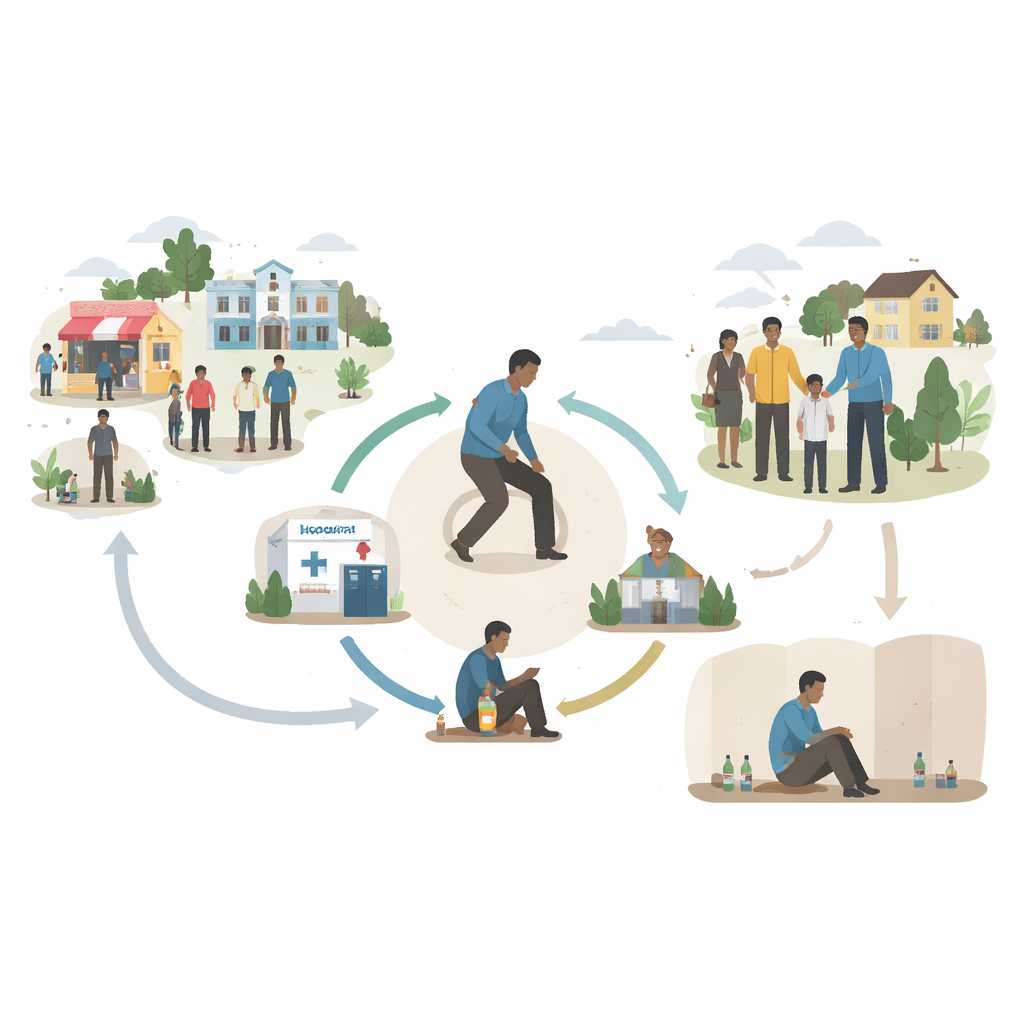
The study followed nine men, aged 36 to 53, all of whom had experienced several relapses after treatment for substance problems involving alcohol, khat, cigarettes, and sometimes cannabis. Most had once held steady jobs and relationships but saw these fall apart as their substance use intensified. Many bounced between different forms of help—hospital care, family support, spiritual healing with holy water or religious centers—and yet still returned to use. Their stories make clear that relapse is not a single failure or a matter of weak will. Instead, it is a long, recurring struggle embedded in everyday life, work, and community expectations.
How Friends, Feelings, and Free Time Pull People Back
Participants described two common paths into substance use and relapse. The first was time spent with friends who used substances. Often there was no direct pressure; simply being around people who smoked or drank, combined with a casual “why not?” attitude, was enough to spark use. At first the body reacted badly—coughing, disgust, discomfort—but over time those reactions faded and were replaced by craving and pleasure. The second path was boredom and unstructured free time. Chewing khat in the evening, drinking after work, or using substances to fill quiet hours gradually turned these habits into a default way to relax and cope.
The Hidden Weight of Emotions and Environment
Relapse was strongly tied to painful emotions. Many participants spoke of deep regret over lost jobs, broken relationships, or failure to meet family expectations. Others felt left behind when they saw peers buying homes or cars. Loneliness after divorce or living alone added to this burden, making alcohol or khat seem like the easiest way to escape sadness and emptiness. At the same time, the settings around them made relapse more likely. Social events such as weddings, neighborhood gatherings, and even conversations with other patients in treatment often revolved around drinking or smoking. Returning to familiar streets, shops, or neighborhoods where substances were easy to obtain triggered powerful memories and cravings, sometimes undoing weeks or months of progress in a single day.
Fighting Back: Motivation, Support, and Spiritual Roots
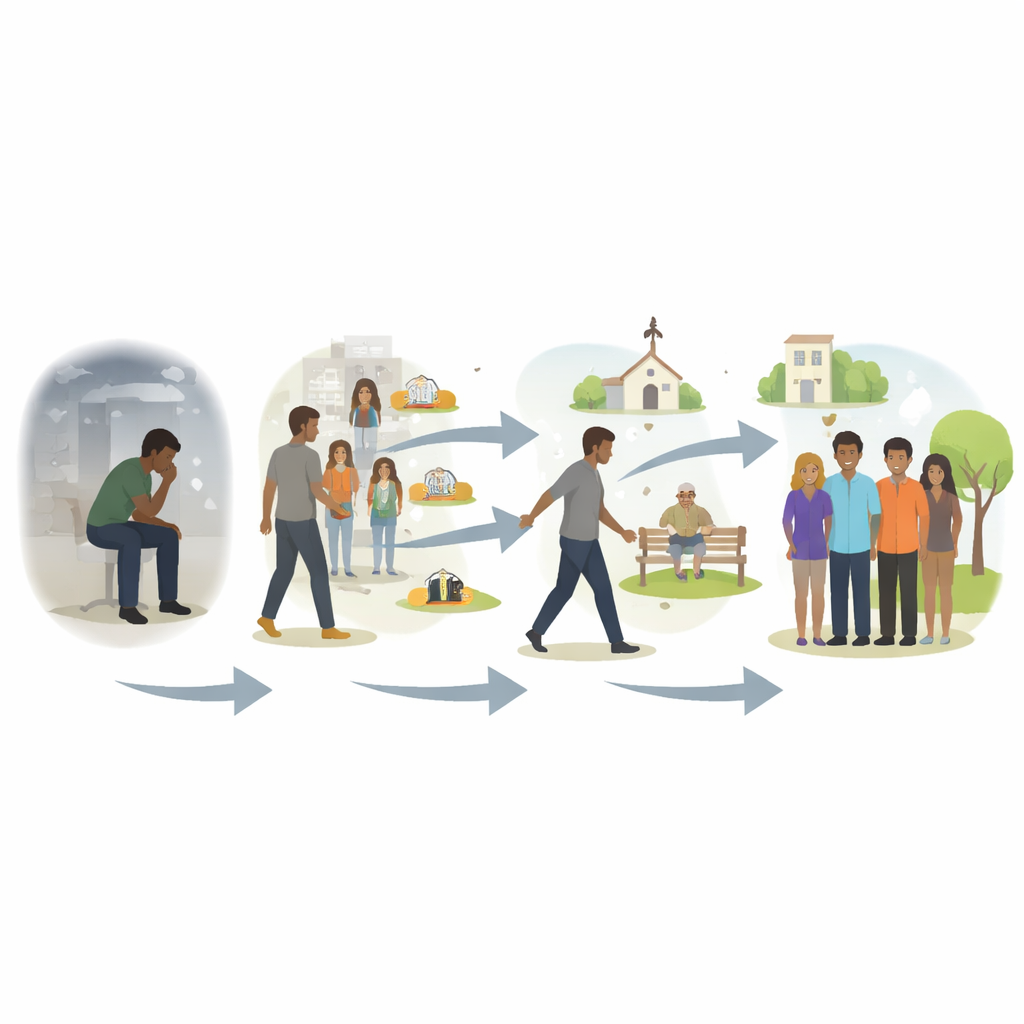
Despite these challenges, participants also described what helped them resist relapse. Personal determination was central: deciding for themselves, not just for others, that they wanted to stop. Some used mental strategies such as reading religious texts or history books to distract from cravings and calm distressing thoughts. Others tried to move away from places where substances were sold or from neighborhoods tied to past use, though this was not always enough on its own. Supportive family members, caring friends, and professionals played a crucial role by offering encouragement, practical help with treatment, and safer ways to socialize, such as meeting in cafés instead of bars. Spiritual practices—attending church or mosque, praying, listening to sacred music, and visiting holy sites—gave many a sense of comfort, hope, and inner strength, especially in the Ethiopian cultural setting where faith is woven into daily life.
Toward a More Complete Path to Recovery
The study concludes that relapse is the product of many forces working together: painful emotions, low confidence, job loss, peer influence, easy access to substances, and broader cultural norms. Recovery, therefore, cannot rely on a single solution such as medication, brief counseling, or spiritual help alone. Instead, the authors argue for long-term, holistic approaches that combine medical care, psychological support, steady work opportunities, strong family and community networks, and respect for local spiritual traditions. In simple terms, people are most likely to escape the relapse cycle when both their inner world and the world around them are cared for and strengthened.
Citation: Mehari, A., Melese, H. & Reshid, M. A phenomenological analysis of relapse among adults with substance abuse. Sci Rep 16, 8413 (2026). https://doi.org/10.1038/s41598-026-39291-z
Keywords: substance use relapse, addiction recovery, mental health Ethiopia, social support, coping strategies