Clear Sky Science · en
Systems-level transcriptomic analysis reveals synapse-related gene dysregulation in peripheral leukocytes of MDD patients
Why Depression May Be a Whole‑Body Illness
Major depressive disorder is often described as a disease of the mind, but growing evidence suggests it also involves the body’s immune system. This study explores an unexpected bridge between brain and blood: immune cells in the bloodstream appear to use some of the same molecular tools normally associated with brain cell communication. Understanding this hidden connection could open new paths for diagnosis and treatment that do not require direct access to the brain itself.
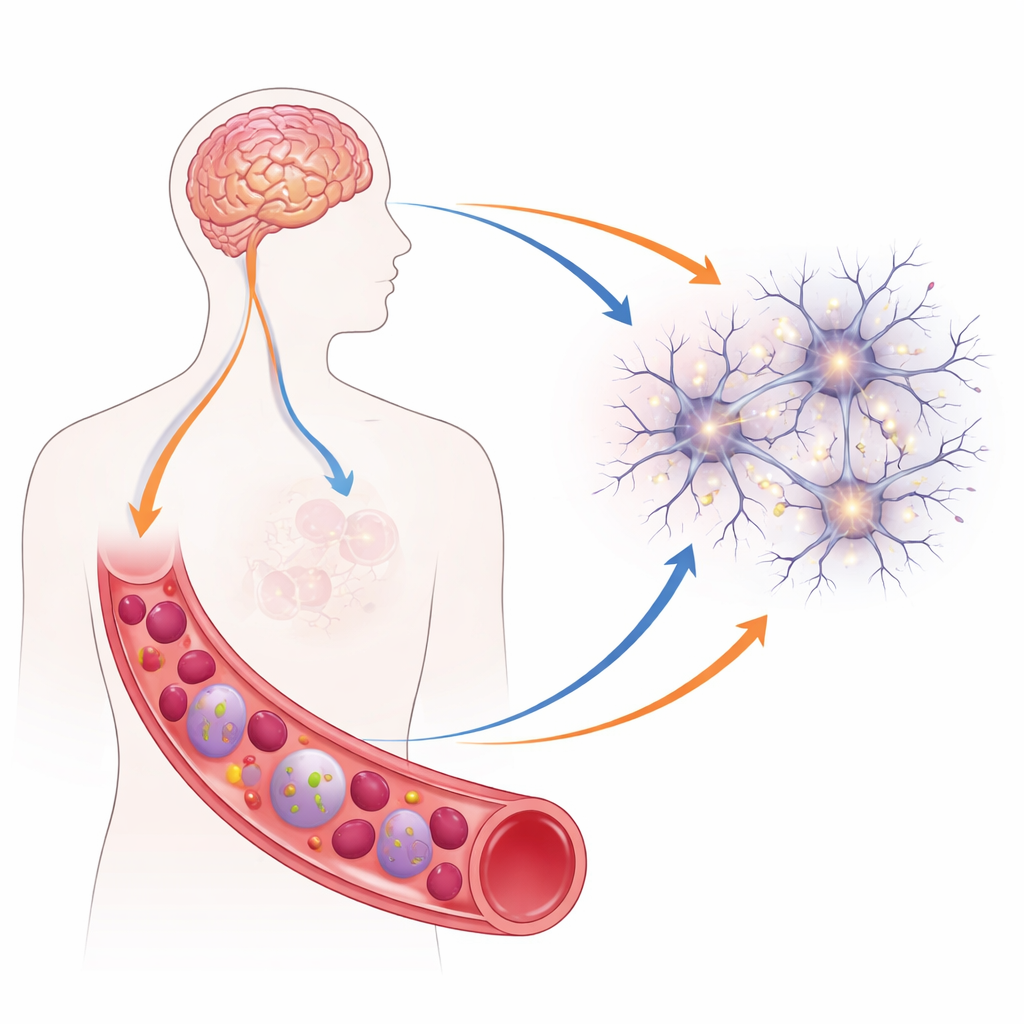
Looking for Brain-Like Signals in Blood Cells
The researchers focused on leukocytes, a broad group of white blood cells that constantly patrol our circulation. These cells are easy to sample from a simple blood draw and are already known to respond to chemical messengers, including those usually thought of as brain neurotransmitters. The team asked whether leukocytes from people with major depression show altered activity in genes tied to synapses—the tiny contact points where nerve cells talk to each other. If so, these blood cells might carry a molecular fingerprint of changes that also affect mood-related brain circuits.
Combining Thousands of Samples for a Big-Picture View
To tackle this question, the authors used a systems biology approach, combining RNA sequencing data—the readout of which genes are switched on or off—from several large studies. In total, they analyzed blood and brain data from 3,072 individuals, including 1,864 people with major depression and 1,208 without the disorder. By performing a meta-analysis, they identified over 1,300 genes in leukocytes whose activity consistently differed between patients and healthy controls. Many of these genes were expected to be involved in immune defense, but a surprising subset was linked, by existing biological databases, to synaptic communication and other nervous system functions.
Synapse-Related Gene Shifts in the Immune System
Digging deeper, the team pinpointed 73 genes in leukocytes that are repeatedly annotated to synaptic tasks such as packaging and releasing neurotransmitters, organizing synaptic structure, and supporting the growth of new neural connections. Forty-eight of these genes tended to be less active and twenty-five more active in people with depression. Using a statistical classification method, the researchers identified 18 synapse-related genes whose combined activity pattern could reliably distinguish patients from healthy volunteers across independent datasets. In other words, a characteristic “signature” in blood-based gene activity reflected the presence of major depression.
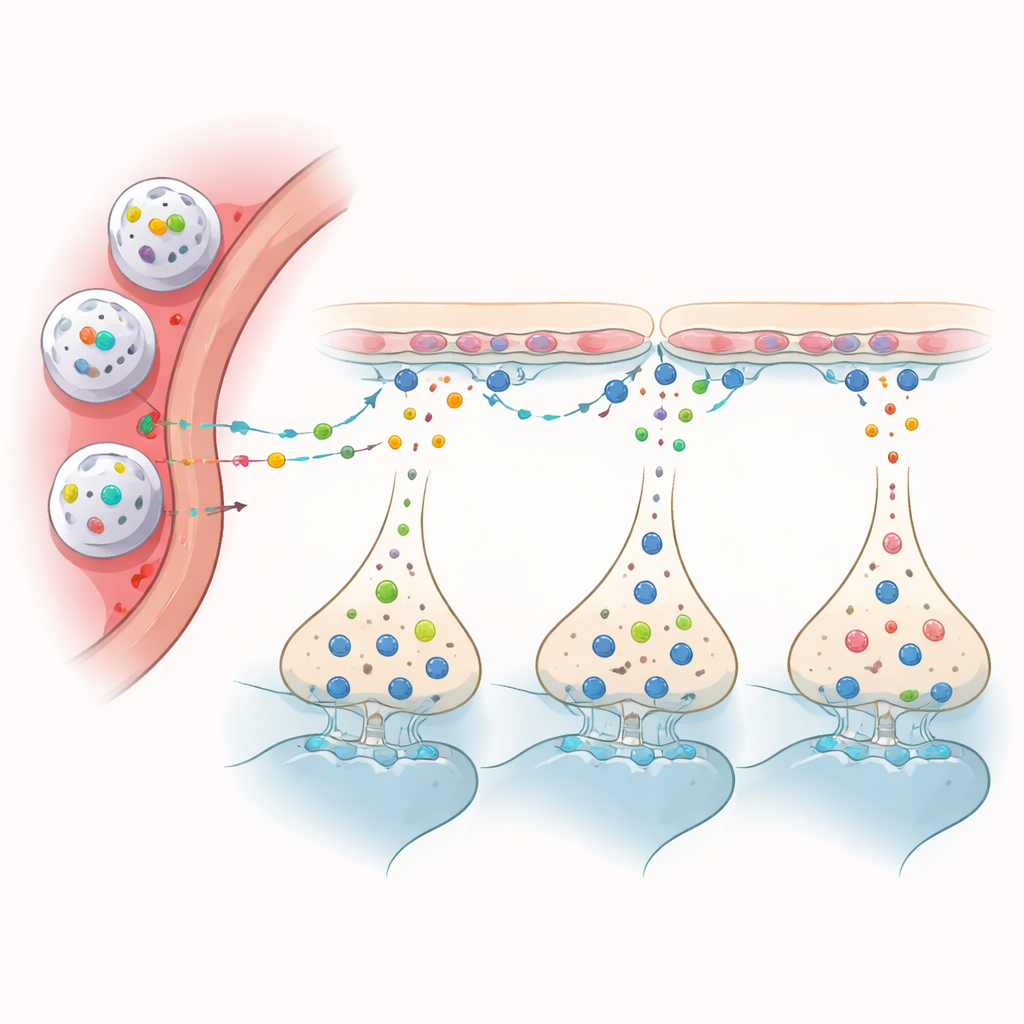
Shared Molecular Threads Between Blood and Brain
The study then asked whether these synapse-related genes in blood echoed changes seen in the brain itself. By comparing leukocyte data with gene activity from seven mood-relevant brain regions, including the anterior cingulate cortex and prefrontal areas, the authors found seven genes that were altered both in blood cells and in at least one brain region. These shared genes are involved in maintaining synaptic structure and balanced neural signaling—processes that are widely believed to be disrupted in depression. Network analyses further suggested that leukocyte genes interact with many brain-region genes through known molecular pathways, hinting at coordinated, system‑wide regulation rather than isolated changes.
What This Means for Understanding and Treating Depression
For a layperson, the key message is that some of the same molecular components that help brain cells communicate are also at work in circulating immune cells and appear to be disrupted in major depression. This does not mean that blood cells form true synapses like neurons do, but it suggests they share machinery that can influence both immunity and brain health. The presence of synapse-related gene patterns in blood that track with depression diagnosis—and that overlap with changes in mood-related brain regions—points to potential blood-based markers of the disorder and reinforces the idea that depression is a whole‑body condition. Future studies will need to test exactly how these genes shape immune behavior and brain function, but this work lays important groundwork for new diagnostic tools and treatment targets that bridge the immune and nervous systems.
Citation: Adri, A.S., Nóbile, A.L., de Albuquerque, D.G. et al. Systems-level transcriptomic analysis reveals synapse-related gene dysregulation in peripheral leukocytes of MDD patients. Sci Rep 16, 8336 (2026). https://doi.org/10.1038/s41598-026-39284-y
Keywords: major depressive disorder, neuroimmune interaction, synaptic genes, blood biomarkers, transcriptomics