Clear Sky Science · en
PCB-126 exposure promotes brown adipose tissue dysfunction and metabolic inflexibility in mice
Why pollution can change how our bodies burn energy
Many people think of pollution as something that mainly harms the lungs or the heart. This study shows that a common industrial chemical, left in our environment for decades, can quietly change how the body uses and stores energy. By targeting a special kind of fat that burns calories to make heat, this pollutant may help tip the balance toward diabetes and unhealthy weight gain, even when body weight on the scale does not seem very different.
A long-lasting chemical still in our food chain
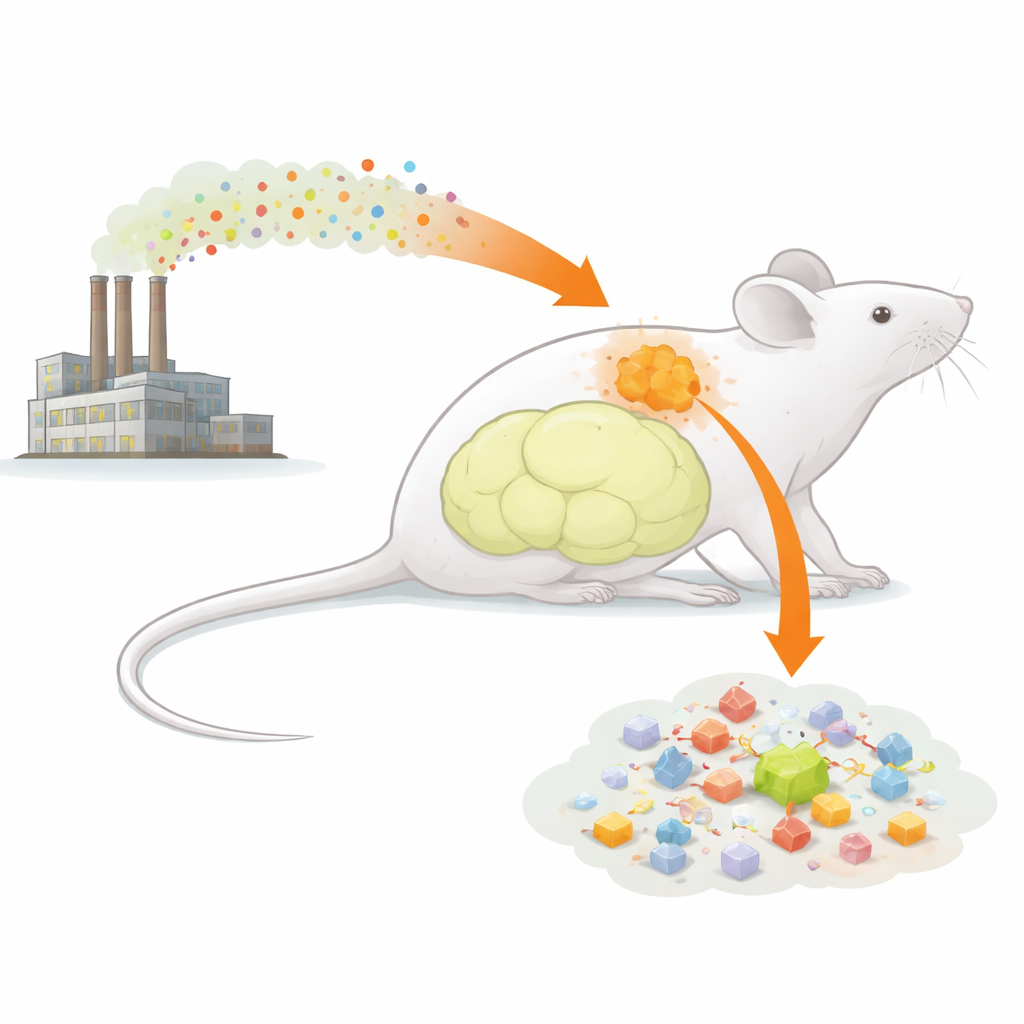
The researchers focused on polychlorinated biphenyls, or PCBs, a group of man‑made compounds once used in electrical equipment and other products. Although PCBs have been banned for years, they break down very slowly and dissolve easily in fat, so they build up in animals and people through the food chain. One type, called PCB‑126, is especially harmful because it switches on a cellular sensor that alters how many genes work inside our cells. Earlier work linked PCB‑126 to problems with hormone balance and blood sugar control, but its effects on brown fat, the body’s built‑in calorie burner, were not well known.
The body’s internal calorie‑burning radiator
Brown adipose tissue, often shortened to brown fat, is different from the white fat that pads our waistlines. Instead of mainly storing energy, brown fat burns it to produce heat, helping keep body temperature stable in the cold. In doing so, it also soaks up sugar and fats from the blood, easing the workload on organs like the liver and muscles. Because of this, healthy brown fat is thought to guard against obesity, high blood sugar, and high blood fats. But this helpful tissue is also very active and richly supplied with blood, making it especially vulnerable to harmful chemicals that circulate in the body.
What happened to mice exposed to PCB‑126
To see how PCB‑126 affects brown fat, the scientists treated adult male mice with a dose of the compound every two weeks for ten weeks, while another group received only the harmless oil used as a carrier. The animals ate similar amounts of food and gained similar weight, yet important changes appeared under the surface. Mice exposed to PCB‑126 had more deep belly fat and less brown fat, along with higher blood sugar and insulin levels and poorer performance on a standard glucose tolerance test, signs that their bodies were struggling to handle sugar properly. Blood tests also showed liver injury and higher levels of fats and inflammatory molecules, pointing to wide‑ranging metabolic stress.
Brown fat turning off and losing its edge
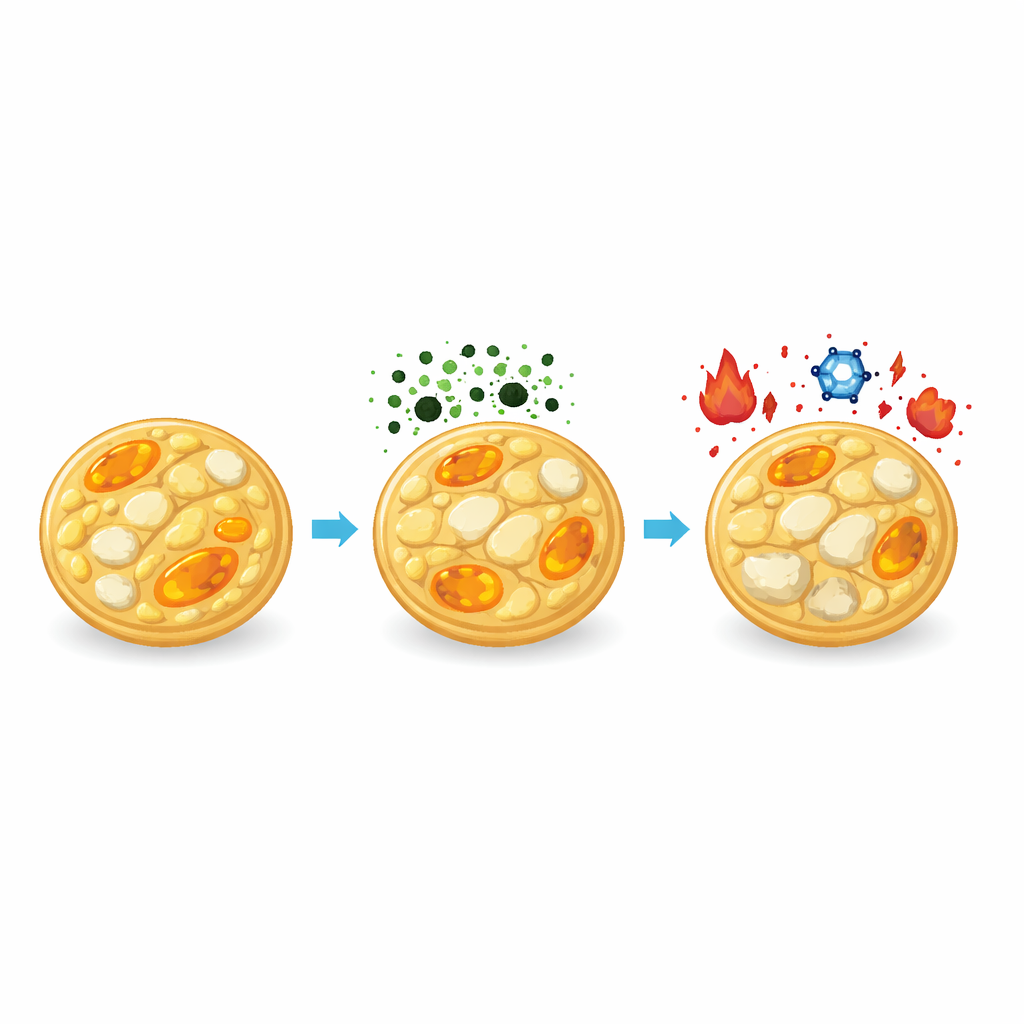
When the team examined the brown fat itself, they saw that its cells had been remodeled. In healthy mice, these cells contained many small fat droplets and abundant activity of a key heat‑producing protein. In the PCB‑126 group, the droplets were more numerous but smaller and fragmented, and the heat‑producing protein was sharply reduced. The genes that normally keep brown fat in an energy‑burning state, support its tiny power plants, sense the cell’s fuel status, and attract new blood vessels were all dialed down. At the same time, genes and chemical markers linked to inflammation and oxidative stress, a kind of chemical wear‑and‑tear, were turned up, while natural antioxidant defenses were weakened. Together, these shifts show brown fat becoming less like a furnace and more like a sluggish storage depot.
How this might matter for human health
Although this study was done in mice and used a controlled laboratory dose, it offers a clear message: long‑lasting pollutants such as PCB‑126 can push the body toward metabolic trouble not only by affecting the liver and white fat, but also by silencing the calorie‑burning functions of brown fat. Even without obvious changes in weight, this loss of flexibility—an impaired ability to switch between burning and storing fuel—can favor the build‑up of belly fat, high blood sugar, and inflammation. The work highlights brown fat as a sensitive target of environmental chemicals and suggests that reducing exposure to these compounds, while finding ways to protect or boost brown fat activity, could be important pieces of the puzzle in preventing modern metabolic diseases.
Citation: Peixoto, T.C., Miranda, C.S., Teixeira, A.M.R. et al. PCB-126 exposure promotes brown adipose tissue dysfunction and metabolic inflexibility in mice. Sci Rep 16, 7845 (2026). https://doi.org/10.1038/s41598-026-39265-1
Keywords: PCB-126, brown fat, metabolic health, environmental pollutants, insulin resistance