Clear Sky Science · en
In vitro and in silico antiglycation antihyperglycemic and anti-inflammatory properties of chemically profiled fruit extracts of Solanum obtusifolium Dunal
Why a Desert Berry Matters for Blood Sugar
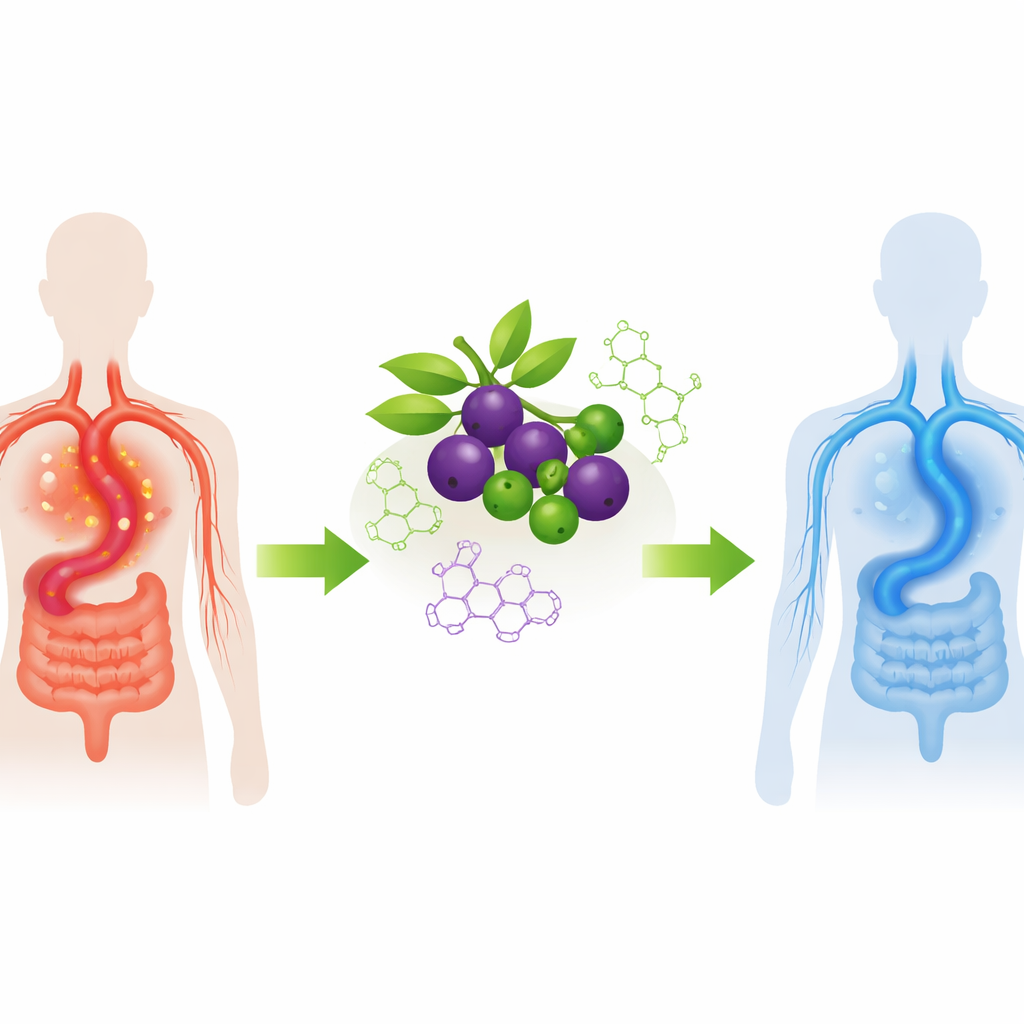
Diabetes is often described as a problem of sugar in the blood, but the real damage comes from what that extra sugar does to our tissues over time. It can scar blood vessels, stiffen proteins, and fan the flames of chronic inflammation. In this study, scientists turned to the fruits of Solanum obtusifolium—a wild nightshade found in parts of Africa, Asia, and the Americas—to ask a simple question with big implications: can compounds from this little-known plant help shield the body from sugar‑related damage and inflammation?
What the Researchers Tested
The team first prepared a concentrated extract of ripe Solanum obtusifolium fruits using a water–alcohol mixture, then profiled its chemistry with a high‑precision separation technique. They found the extract was rich in plant phenolics, especially quercetin, p‑coumaric acid, catechin, and gallic acid—molecules already known for antioxidant and protective actions in other plants. With this chemical “fingerprint” in hand, they set out to test three fronts that matter in diabetes and metabolic health: how the extract affects sugar‑driven damage to proteins (glycation), how it influences key digestive enzymes that release sugar and fat from food, and whether it can calm simple models of inflammation.
Slowing Sugar Damage to Blood Proteins
Glycation is a slow burn: excess sugar sticks to long‑lived proteins like hemoglobin and albumin, forming so‑called advanced glycation end products that stiffen tissues and trigger inflammation. In test‑tube experiments, the fruit extract strongly reduced glycation of hemoglobin, approaching the effect of pure gallic acid used as a reference. When the researchers followed albumin, a major blood protein, they looked at several rungs of the damage ladder—from early “fructosamine” products, to oxidized carbonyl groups, to late glowing end products and amyloid‑like aggregates. At each stage, the extract cut the build‑up of damage in a dose‑dependent way, nearly matching a standard antiglycation drug. It also limited the tendency of albumin to form rigid, beta‑rich clumps linked to protein misfolding.
Tamping Down Sugar Spikes and Fat Breakdown
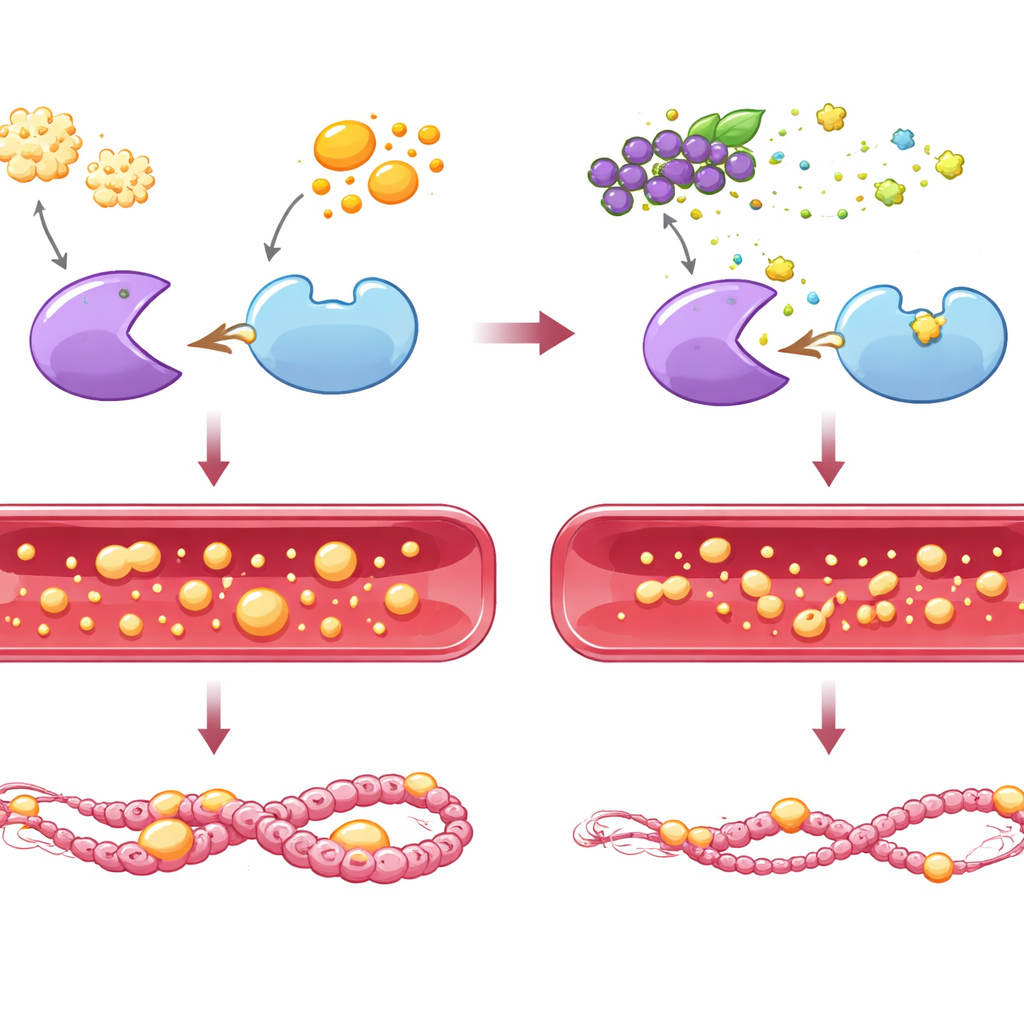
The scientists then examined how the extract interacts with digestive enzymes that liberate sugar and fat from food. It inhibited α‑amylase and α‑glucosidase, two enzymes that break long starch chains into absorbable sugar, with potencies in the same ballpark as the prescription drug acarbose. It also reduced the activity of pancreatic lipase, the main enzyme that splits dietary fat, although not as strongly as the weight‑loss drug orlistat. By partially slowing these enzymes, the extract could, in principle, blunt sharp rises in blood sugar after meals and reduce fat uptake—both important levers in managing type 2 diabetes and obesity‑related risk.
Hints of Anti‑Inflammatory Protection
To probe inflammation, the team used two simple but telling lab models. First, they heated the protein albumin, which normally causes it to unfold and clump—an effect tied to inflammatory conditions. The fruit extract protected the protein from this heat‑induced denaturation better than the common anti‑inflammatory drug diclofenac in this setup. Second, they exposed human red blood cells to damaging heat and measured how much they burst. Stabilizing these fragile membranes is considered a sign that a substance may help calm inflammatory damage. The extract again showed protective effects, comparable in this test to aspirin at much lower concentrations of plant material than of drug.
Computer Models Point to Likely Targets and Safety
Beyond the wet lab, the researchers used molecular docking simulations to visualize how individual plant compounds might fit into the pockets of enzymes and proteins such as α‑amylase, α‑glucosidase, lipase, and albumin. Ursolic acid and quercetin, in particular, formed strong predicted interactions in the active sites, consistent with the observed enzyme inhibition and antiglycation effects. Separate computer analyses of absorption, distribution, metabolism, and toxicity suggested that most of the major compounds follow accepted “rules” for oral drugs, show good predicted gut absorption, avoid major liver enzyme interference, and lack signs of liver, immune, or general cell toxicity at realistic doses, although quercetin may be more toxic at very high levels.
What This Could Mean for People with Diabetes
Taken together, the work paints Solanum obtusifolium fruit extract as a multi‑pronged defender against sugar‑related harm: it helps keep blood proteins from becoming sugar‑scarred, it slows the breakdown of starch and fat that feed high blood sugar and lipids, and it cushions proteins and cell membranes from inflammatory stress. The study is entirely preclinical—no people took the extract—and it does not replace existing medicines. But it provides a detailed map of how a traditional plant could be developed into a modern supportive therapy for diabetes and its complications, especially if future animal and human studies confirm that these benefits translate safely beyond the test tube.
Citation: Abdnim, R., Bouslamti, M., El-Mernissi, R. et al. In vitro and in silico antiglycation antihyperglycemic and anti-inflammatory properties of chemically profiled fruit extracts of Solanum obtusifolium Dunal. Sci Rep 16, 9003 (2026). https://doi.org/10.1038/s41598-026-39203-1
Keywords: diabetes complications, plant polyphenols, protein glycation, digestive enzyme inhibition, anti-inflammatory extracts