Clear Sky Science · en
Complementary and substitution effects of digital finance and green finance on corporate green innovation
Why Money Matters for a Greener Future
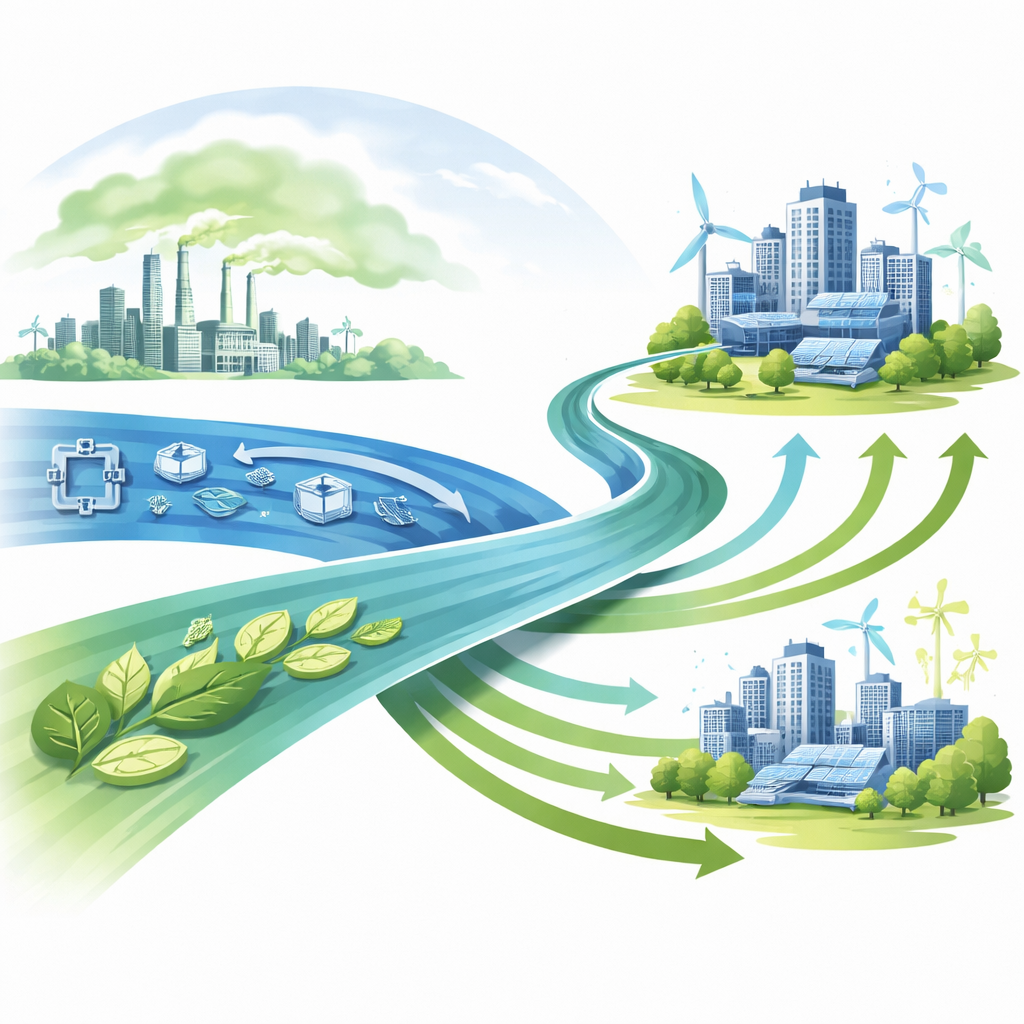
As countries race to cut carbon emissions, governments and businesses are searching for ways to finance cleaner technologies and greener production. This study looks at two powerful tools reshaping how money flows: digital finance, which uses technologies like online platforms and big data, and green finance, which steers capital toward environmentally friendly projects. By examining thousands of Chinese listed companies over more than a decade, the authors ask a deceptively simple question: when these two types of finance grow together, do they reinforce each other, or do they end up stepping on each other’s toes?
Two New Ways of Funding Greener Business
Digital finance includes services such as mobile payments, online lending and data-driven credit scoring. These tools can lower costs, expand access to capital and make it easier to judge which projects are likely to succeed. Green finance, in contrast, is designed specifically to support environmentally friendly activities through instruments like green loans, green bonds and dedicated green investment funds. Both should, in principle, help companies invest in cleaner technologies and processes, a process the authors call corporate green innovation. Such innovation ranges from genuine breakthroughs that cut emissions or waste (substantive green innovation) to more superficial steps that mainly improve a firm’s image or compliance record (strategic green innovation).
Do Digital and Green Money Work Together?
Using detailed data on Chinese A-share listed firms from 2011 to 2023, the researchers build statistical models to separate the effects of digital finance and green finance on companies’ green patents. They also track how these effects change when both kinds of finance are available at the same time. On their own, each type of finance is clearly helpful: areas with stronger digital finance or more developed green finance see more green patents, especially those that reflect deeper technological improvements. This suggests that better access to capital, and better information about borrowers, does encourage businesses to invest in greener technologies.
When Helping Hands Collide
The picture becomes more complex when digital finance and green finance grow together. Instead of always reinforcing one another, they often behave like substitutes. The study finds that when digital finance becomes more widespread, the extra push from green finance on firms’ strategic green patents becomes weaker and can even turn negative. In other words, the combination does not automatically produce more or better green innovation; in many cases, it simply reshuffles where the money comes from. This substitution effect is strongest in non–high-tech industries, heavily polluting sectors, privately owned firms and lower-tier cities, where innovation capacity is modest and resources are used less efficiently. In these settings, firms may reach a comfortable level of policy-driven, surface-level green activity and then stop, even though more funding is available.
Why Company Strength and Constraints Matter
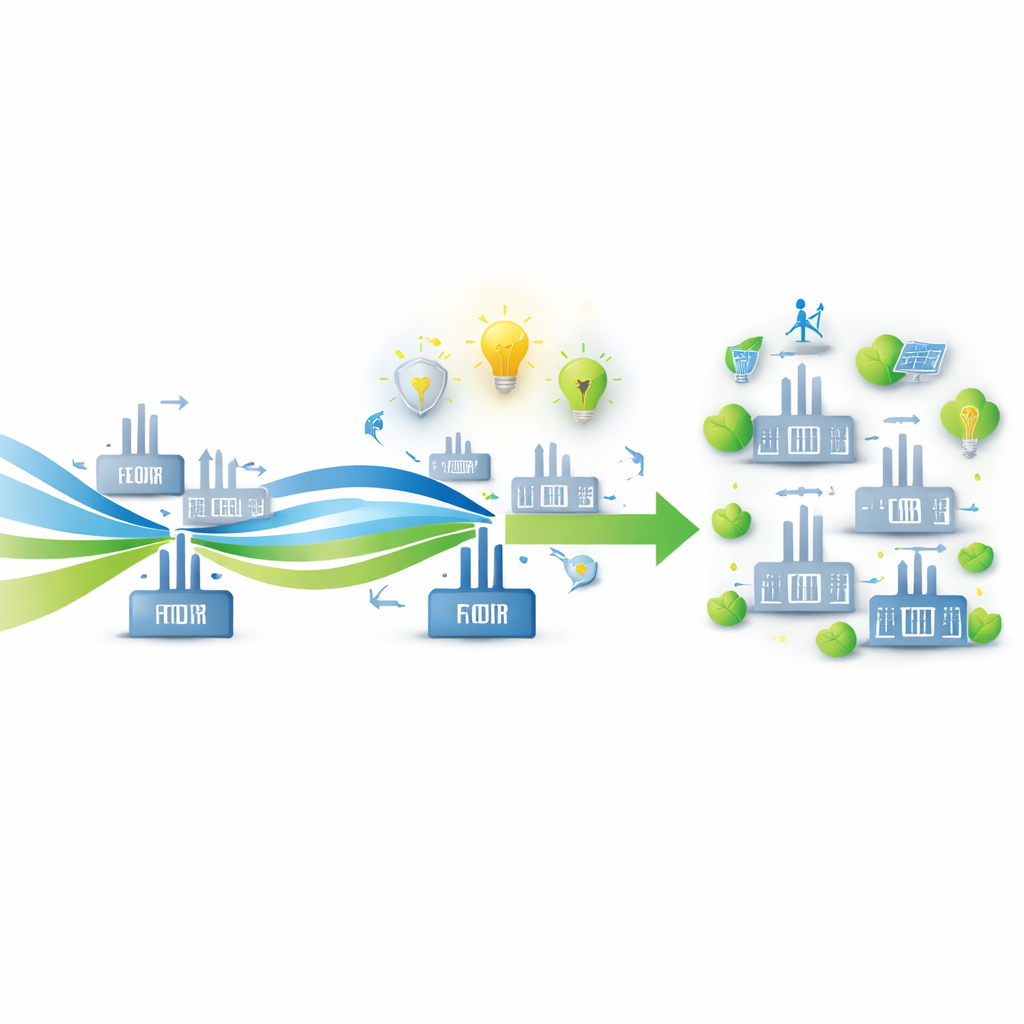
To understand why substitution happens, the authors look at two key features of firms: their financing constraints and their technological absorption capacity. Companies that find it hard to obtain credit often use new funds simply to keep their operations going, leaving little room for serious green innovation. For them, digital and green finance can still work together, because every extra bit of capital helps. But firms with easier access to money face a different bottleneck: their ability and willingness to absorb new technologies and turn them into real improvements. Where technological absorption capacity is weak—little investment in learning, upgrading equipment or transforming production—extra funding from two different channels tends to be redundant. In contrast, firms that invest in learning and technological transformation can turn multiple funding streams into stronger, more substantive green innovation.
What This Means for Policy and Business
The study concludes that simply expanding both digital finance and green finance is not enough to ensure a wave of meaningful green innovation. While each tool helps, their combination can easily slide into substitution rather than synergy, especially in regions and industries with weaker innovation foundations. To make money work harder for the environment, policymakers and financial institutions need to design digital and green products that complement rather than duplicate each other, and target support to firms that both need capital and can use it effectively. For companies, the message is clear: building internal capabilities to absorb and apply new technologies is just as important as securing funding. Only when financial tools and technological strength advance together can green innovation truly power sustainable growth.
Citation: Tan, S., Tao, S. Complementary and substitution effects of digital finance and green finance on corporate green innovation. Sci Rep 16, 9421 (2026). https://doi.org/10.1038/s41598-026-39152-9
Keywords: digital finance, green finance, corporate green innovation, sustainable investment, China dual-carbon goals