Clear Sky Science · en
Nardosinone improves levodopa-induced dyskinesia in Parkinsonian rats through the microbiota–gut–brain axis
Why this matters for people with Parkinson’s
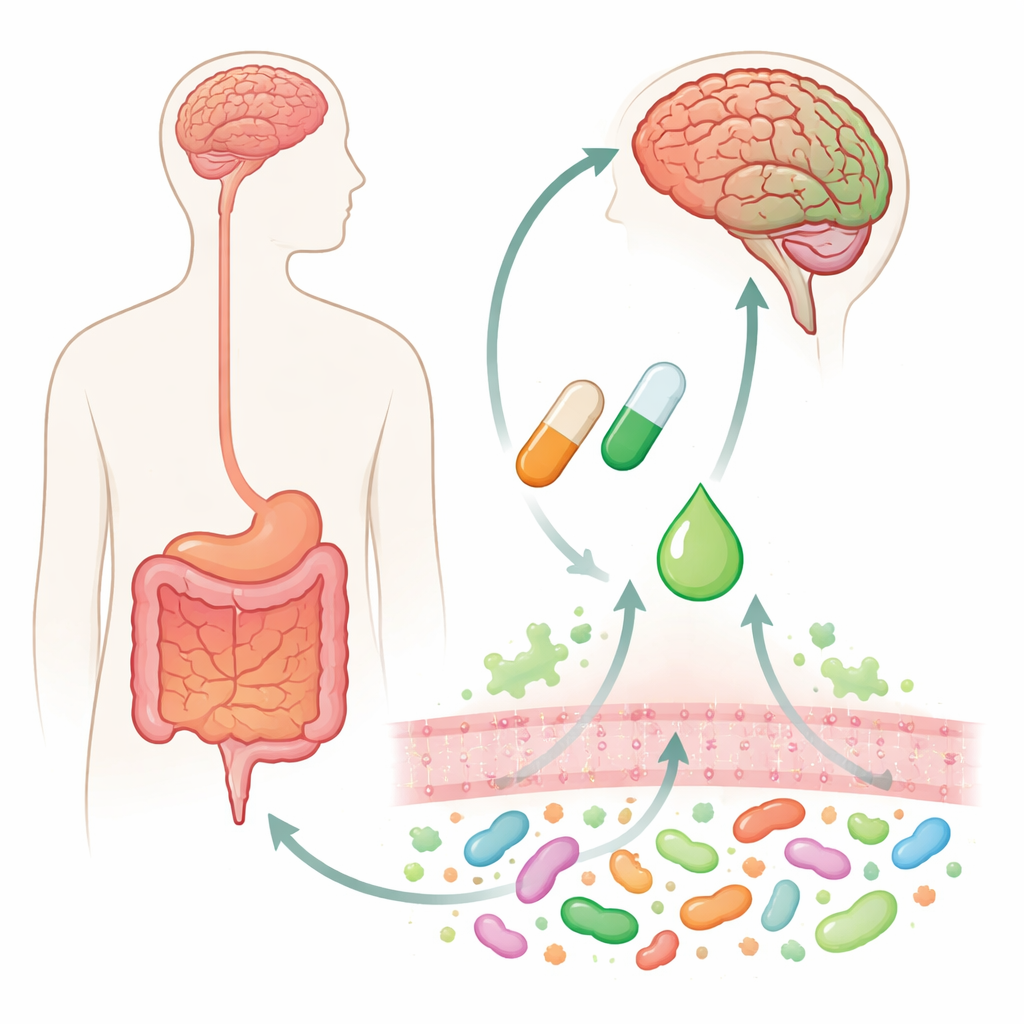
For many people with Parkinson’s disease, the gold-standard drug levodopa is both a blessing and a curse. It can dramatically ease stiffness and slowness, but over time it often triggers troubling, uncontrollable movements called dyskinesias. This study in rats explores whether nardosinone, a natural compound from a traditional medicinal plant, can keep levodopa working while dialing down those side effects by acting through the “gut–brain” connection.
A helpful plant partner for a key Parkinson’s drug
Levodopa works by replenishing dopamine, a brain chemical that dwindles in Parkinson’s disease. Yet long-term, high-dose use frequently leads to dyskinesias—twisting, jerking movements that can be as disabling as the disease itself. The researchers focused on nardosinone, a major active ingredient from the root of Nardostachys jatamansi, long used in traditional Chinese medicine for nervous system problems. They built a Parkinson-like condition in rats using a pesticide that selectively damages dopamine-producing brain cells, then treated them with levodopa in ways that either did or did not provoke dyskinesias. Nardosinone was added to see whether it could both support movement and reduce abnormal side effects.
Testing movement, behavior and brain cell protection
The team evaluated the rats’ motor abilities with two behavioral tests: one measured how well the animals could move their forelimbs while walking, and another tracked how far they roamed in an open box. As expected, levodopa improved movement, but the benefits faded at higher doses given over time. When nardosinone was combined with levodopa, rats walked farther and showed more normal forelimb steps, suggesting the plant compound made levodopa’s benefits more durable. Under the microscope, the brains of co-treated rats showed more healthy dopamine-producing nerve cells in a key movement region, indicating that nardosinone helped shield these vulnerable neurons from damage.
Calming abnormal movements linked to long-term levodopa
To capture dyskinesias, the scientists used a standardized rating scale that scores involuntary limb, body, and mouth–tongue movements. Rats on higher, long-term doses of levodopa developed clear dyskinesias, and their scores rose with dose and duration. These rats also showed elevated levels of ΔFosB, a protein in brain cells closely tied to levodopa-induced abnormal movements. When nardosinone was added, the rats’ involuntary movements dropped, and ΔFosB levels in the brain fell as well. In other words, the compound did not simply blunt all brain activity—it seemed to selectively ease the harmful over-activation associated with dyskinesias while preserving levodopa’s desired benefits.
The gut–brain highway: microbes, barrier, and inflammation
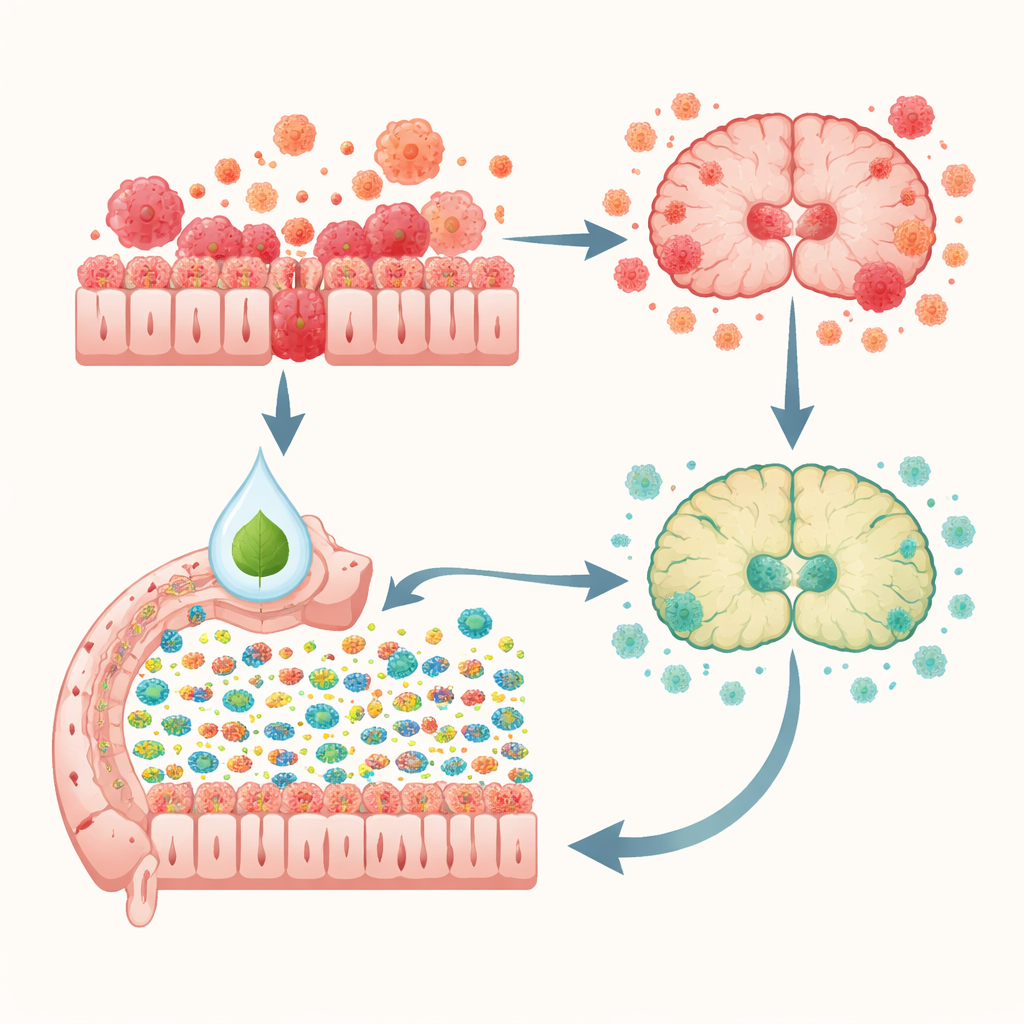
A striking part of the study looks far from the head: the colon. High-dose levodopa disrupted the community of gut microbes in these rats, reducing the richness and balance of bacterial species. The intestinal lining itself became thinner and damaged, with more immune cells crowding the tissue. Blood tests showed higher levels of markers that leak out when the gut barrier is compromised, and both the colon and the brain contained elevated inflammatory molecules. With nardosinone treatment, the gut microbial community became richer and more even again, the colon’s structure looked healthier, barrier-leak markers in the blood declined, and inflammatory signals in both gut and brain dropped. These shifts support the idea that nardosinone acts along a microbiota–gut–brain axis: by restoring microbial balance and gut integrity, it helps quiet inflammation that would otherwise aggravate brain circuits and dyskinesias.
What this could mean for future Parkinson’s care
For now, these findings apply to rats, not people, and the compound’s safety, dosing, and ability to reach the human brain still need careful testing. But the work suggests a promising strategy: pairing levodopa with a gut-acting, anti-inflammatory helper that both strengthens its benefits and softens its drawbacks. By showing that nardosinone can improve movement, protect dopamine-producing cells, rebalance gut microbes, repair the intestinal barrier, and reduce inflammation in the brain, this study points toward new treatments that target the whole gut–brain system—not just the brain alone—to better manage Parkinson’s disease and its complications.
Citation: Xue, J., Liu, M., Cao, Y. et al. Nardosinone improves levodopa-induced dyskinesia in Parkinsonian rats through the microbiota–gut–brain axis. Sci Rep 16, 9364 (2026). https://doi.org/10.1038/s41598-026-39135-w
Keywords: Parkinson’s disease, levodopa dyskinesia, gut brain axis, intestinal microbiota, nardosinone