Clear Sky Science · en
The impact of autism awareness of mothers of preschool children on the level of microbiota awareness
Why parents’ knowledge about the gut may matter
Parents of young children today hear more than ever about autism and about the trillions of microbes that live in our bodies. This study looks at a simple but important question: when mothers of preschoolers know more about autism, are they also more aware of how gut microbes might affect their children’s health and development? Understanding this link could help design better information programs for families and improve early support for children on the autism spectrum.
Autism, everyday life, and tummy troubles
Autism spectrum disorder is a lifelong condition that affects how a person communicates, relates to others, and behaves. Many children with autism also struggle with digestive problems, picky eating, and sensitivity to food textures. Over the past decade, scientists have begun to suspect that the community of bacteria and other microbes living in the gut may be tied not only to digestion, but also to brain function and behavior. Some studies have found unusual patterns of gut microbes in children with autism, while others have not, leaving parents and professionals with mixed and often confusing messages.
The hidden world of gut microbes
The gut “microbiota” is the vast collection of microorganisms inhabiting our intestines; together with their genes and products, they form what many researchers call the gut ecosystem. This ecosystem helps break down food, trains the immune system, and produces substances that can signal to the brain. In autism, certain types of bacteria have been reported to be more common or less common than in other children, and these shifts may change how the gut and brain communicate. As news stories and online discussions about this gut–brain connection spread, parents are increasingly encouraged to think about diet, antibiotics, probiotics, and other factors that could alter their children’s gut microbes.
What this study asked and how it was done
To find out whether awareness of autism goes hand in hand with awareness of gut microbes, researchers in Turkey surveyed 434 mothers of preschool children between March and August 2024. The mothers completed two standardized questionnaires: one measured how much they knew about autism signs, behaviors, and interaction; the other assessed how familiar they were with gut microbes, probiotics, and related health issues. All data were collected online from volunteers who spoke Turkish and had at least one preschool-age child. The team then used statistical methods to test whether higher autism awareness scores were linked to higher microbiota awareness scores.
What the numbers revealed
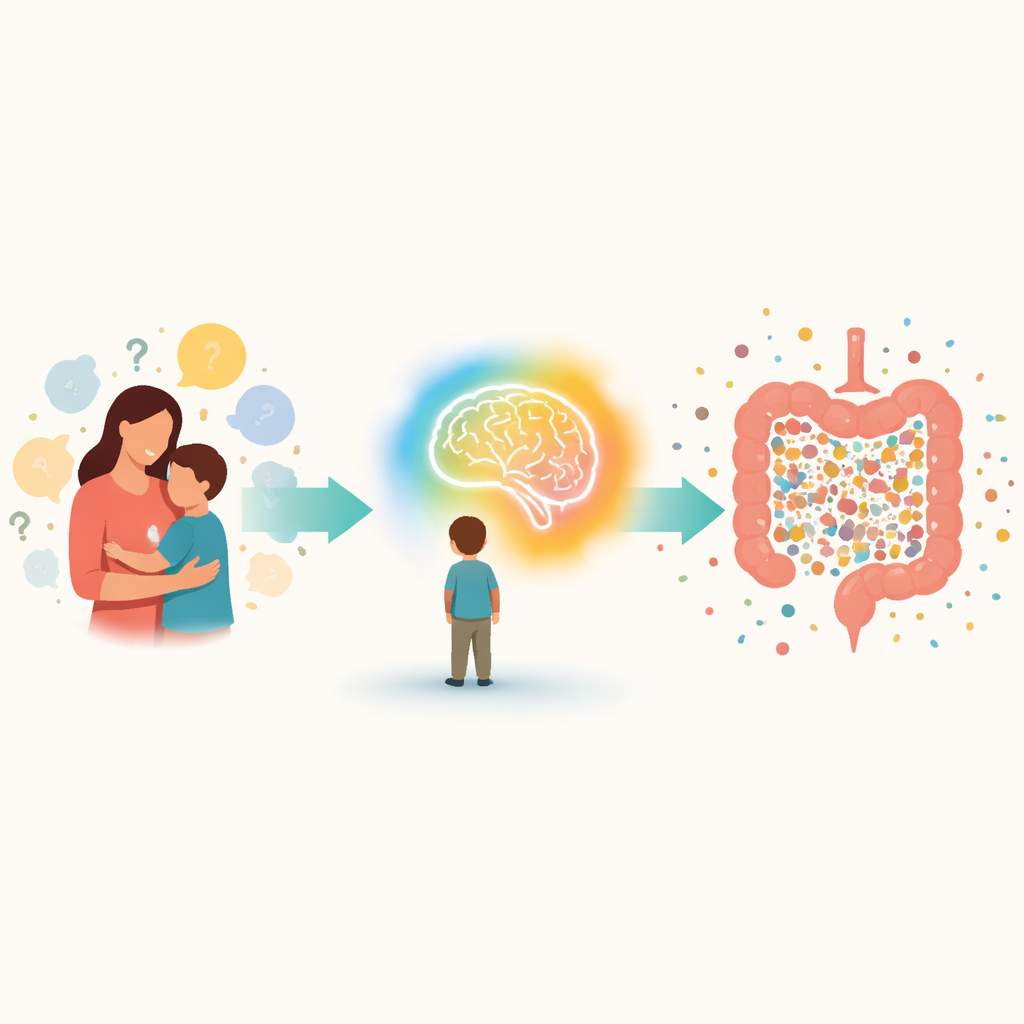
The analysis showed a clear pattern: mothers who scored higher on autism awareness also tended to score higher on awareness of gut microbes. In statistical terms, autism awareness significantly predicted microbiota awareness, explaining about one-eighth of the differences between mothers. While this is only a modest share, it suggests that learning about autism may prompt parents—especially mothers, who often take the lead in health decisions—to seek out more information about diet, digestion, and the biology behind their children’s behavior. The authors argue that this curiosity may naturally draw mothers toward resources that discuss the gut–brain connection.
What this means for families and public health
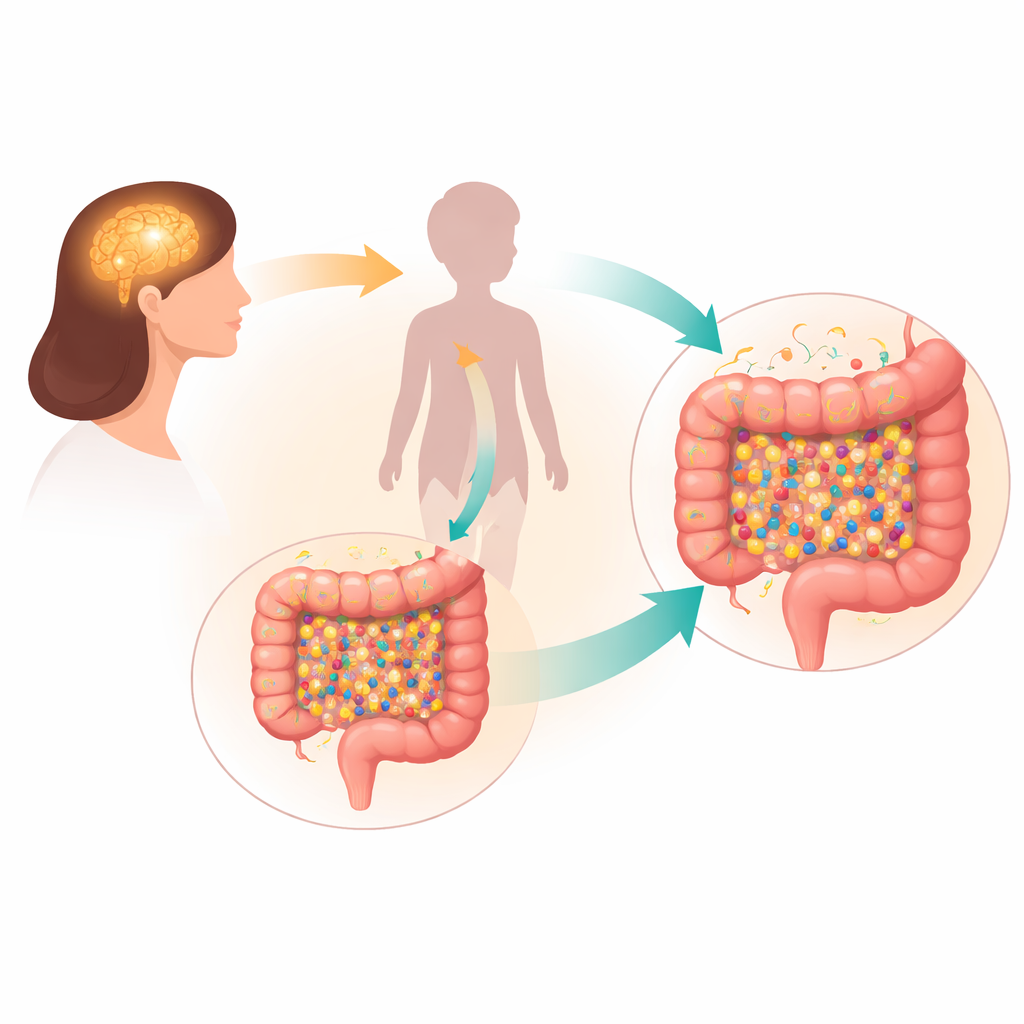
The study’s findings hint that efforts to educate parents about autism could be a gateway to broader conversations about nutrition and gut health. If mothers who understand autism are also more likely to grasp why gut microbes might matter, then autism-focused workshops, preschool programs, and pediatric visits could be ideal places to introduce simple, evidence-based guidance on food, antibiotics, and healthy habits. The researchers caution that their work is cross-sectional—capturing a single moment in time—so it cannot prove that autism awareness causes microbiota awareness. Still, they see their results as a first step toward more comprehensive family education that links behavior, brain development, and the unseen life inside the gut.
Big-picture takeaway for non-specialists
For lay readers, the message is straightforward: when parents learn more about autism, they may also become more tuned in to how the gut and its microbes influence their child’s well-being. This study does not claim that gut microbes cause autism, nor does it test specific diets or treatments. Instead, it shows that raising awareness of autism can open doors to better understanding of the body as a whole system, where the brain and the gut are deeply connected. Building on this insight, future long-term studies and educational programs could help families make informed choices that support both the minds and the bodies of children on the spectrum.
Citation: İnci, R., Emrem, M., Yıldız, M. et al. The impact of autism awareness of mothers of preschool children on the level of microbiota awareness. Sci Rep 16, 8573 (2026). https://doi.org/10.1038/s41598-026-39114-1
Keywords: autism awareness, gut microbiota, preschool children, parent education, gut–brain connection