Clear Sky Science · en
Comparative spectral analysis of blood and saliva in breast cancer, benign breast disease and healthy controls using ATR-FTIR
Why Spit Could Help Spot Breast Problems
Most women know about mammograms, ultrasounds, and sometimes painful biopsies when there’s a worry about breast cancer. This study explores a very different idea: could a tiny drop of blood or even saliva, examined with invisible infrared light, carry enough information to flag breast cancer or benign breast changes quickly, cheaply, and without needles? The researchers set out to see whether the chemical “fingerprints” of blood serum and saliva differ in women with breast cancer, women with noncancerous breast disease, and healthy women—and whether saliva might work as a truly simple screening fluid.
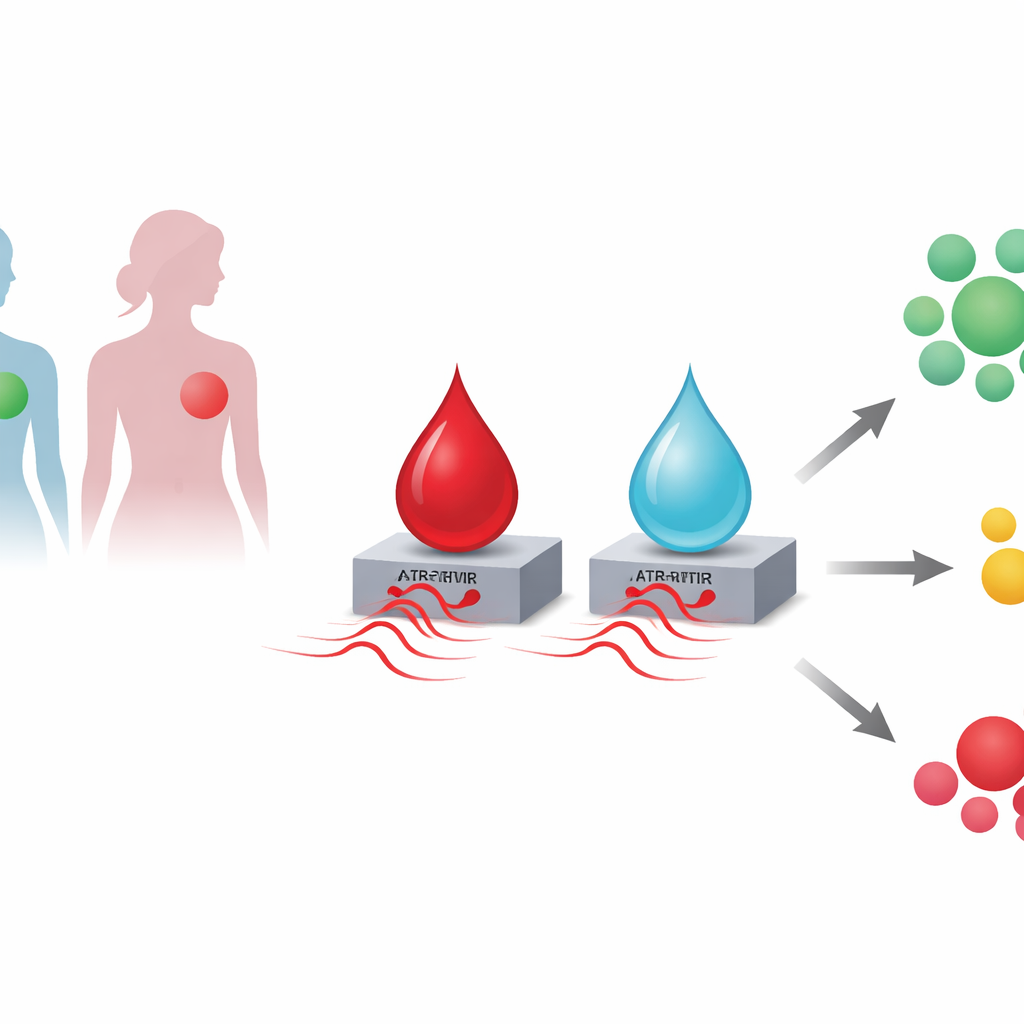
Looking for Clues in Everyday Body Fluids
The team worked with 73 women split into three groups: 31 with breast cancer, 18 with benign breast disease such as fibrocystic changes, and 24 healthy volunteers with normal breast imaging. From each woman they collected two routine samples early in the morning while fasting: a small tube of blood to obtain serum and a small amount of unstimulated saliva gathered by gentle spitting. These fluids are very different by nature—serum is protein‑rich and central to transporting nutrients and signaling molecules through the body, while saliva is mostly water, mucus, and protective molecules bathing the mouth—but both can mirror changes happening elsewhere in the body, including in the breast.
Reading Invisible Patterns with Light
To probe these samples, the researchers used a technique called ATR‑FTIR, which shines mid‑infrared light onto a very thin layer of dried fluid and measures how different chemical bonds absorb that light. Instead of looking for one specific molecule, this method captures a broad “spectral” pattern reflecting the combined presence of fats, proteins, genetic material, and sugars. Peaks at particular positions in this pattern reveal which types of molecules are more or less abundant. The team carefully processed the spectra to reduce noise and then compared key peak positions between groups, both within each fluid type and between serum and saliva taken from the same women.
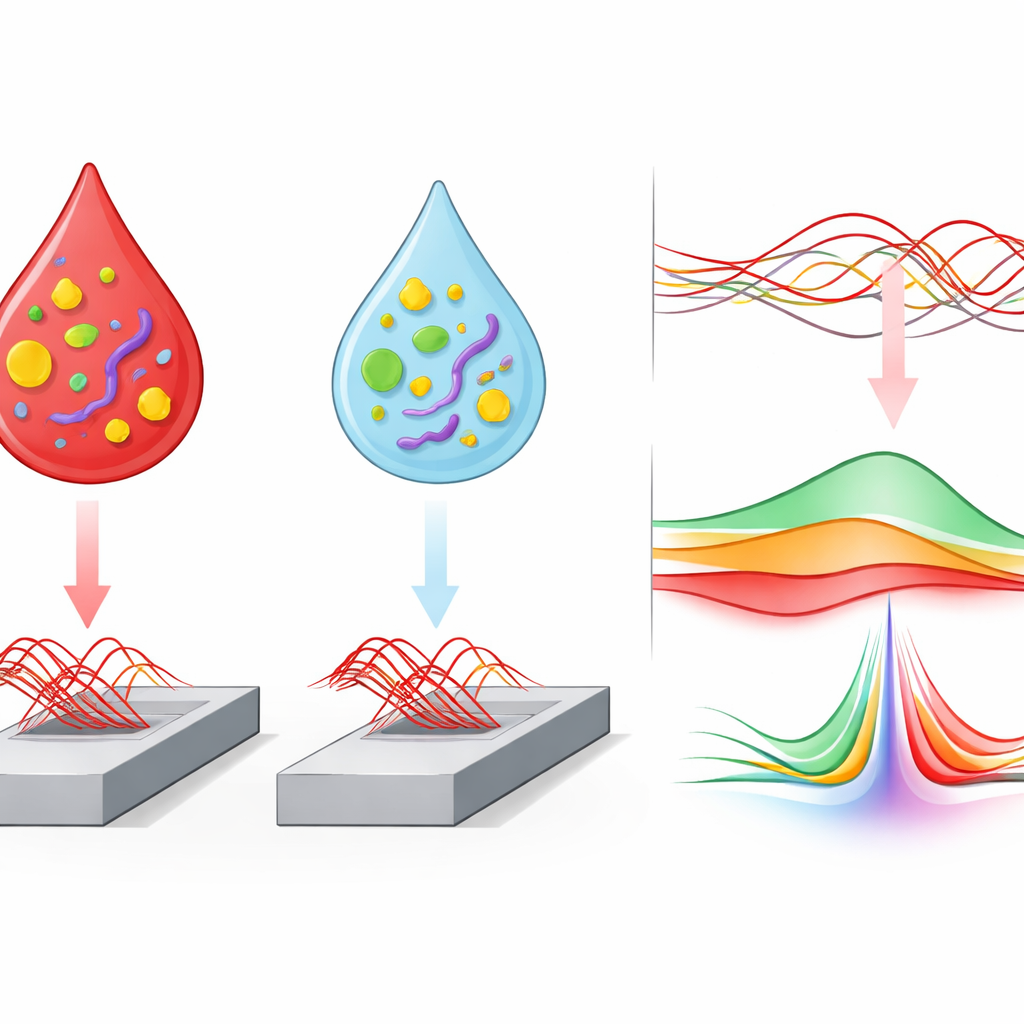
Saliva Stands Out as a Sensitive Mirror
When they compared women with breast cancer to those with benign breast conditions, the blood serum patterns looked almost the same—no single feature clearly separated the two groups. Saliva, however, told a different story: a specific region linked mainly to fats showed a measurable difference between cancer and benign disease. The contrast became even sharper when cancer patients were compared to healthy women. In saliva, several spectral regions tied to building blocks of DNA and RNA, to protein structure, and to lipids all shifted in a way that distinguished cancer from health. Importantly, one particular fat‑related region was the only signal that differed across all three groups—cancer, benign disease, and healthy controls—making it a promising candidate marker of breast‑related changes.
Comparing Blood and Spit Side by Side
Looking across all groups together, the researchers found that saliva and serum display distinct baseline chemical profiles. Saliva showed stronger signals in regions associated with sugars and certain fats, likely reflecting its rich mucus content and local mouth environment, while serum showed stronger signatures from proteins that circulate in the bloodstream. These built‑in differences help explain why some disease‑related changes may be easier to see in saliva than in serum: in blood, abundant proteins can mask subtle shifts, whereas in saliva, changes in lipids and other components may stand out more clearly against a simpler background.
What This Could Mean for Future Screening
The study is exploratory and involves a modest number of women, so it cannot yet provide a ready‑to‑use test. Still, the findings suggest that saliva, analyzed by infrared light, can carry clear chemical signals that separate breast cancer, benign breast disease, and healthy status better than blood in this setting. Because collecting saliva is painless, low‑cost, and does not require trained staff or needles, refining this approach could one day add a convenient tool to support breast health screening and follow‑up, especially in settings where access to imaging and biopsies is limited.
Citation: de Andrade Marques, L., Silva, A.T.F., Ferreira, I.C.C. et al. Comparative spectral analysis of blood and saliva in breast cancer, benign breast disease and healthy controls using ATR-FTIR. Sci Rep 16, 9121 (2026). https://doi.org/10.1038/s41598-026-39097-z
Keywords: breast cancer screening, saliva testing, infrared spectroscopy, noninvasive diagnosis, biochemical biomarkers