Clear Sky Science · en
Knowledge, attitude, and practices of nurses toward the assessment and management of perioperative hidden blood loss among orthopedic patients: A cross-sectional multicenter study
Why hidden blood loss matters
When we think of blood loss during surgery, we picture what can be seen on the operating table. Yet in many bone operations, such as hip or spine surgery, a large share of the blood loss is invisible, soaking into tissues or collecting inside the body. This "hidden" loss can leave patients weak, delay healing, and even trigger heart or brain problems—especially in older adults. The people best placed to spot trouble early are bedside nurses, but how well prepared are they to do so? This study looks at how orthopedic nurses in China understand, feel about, and actually handle hidden blood loss around the time of surgery.

Taking a closer look at nurses on the front line
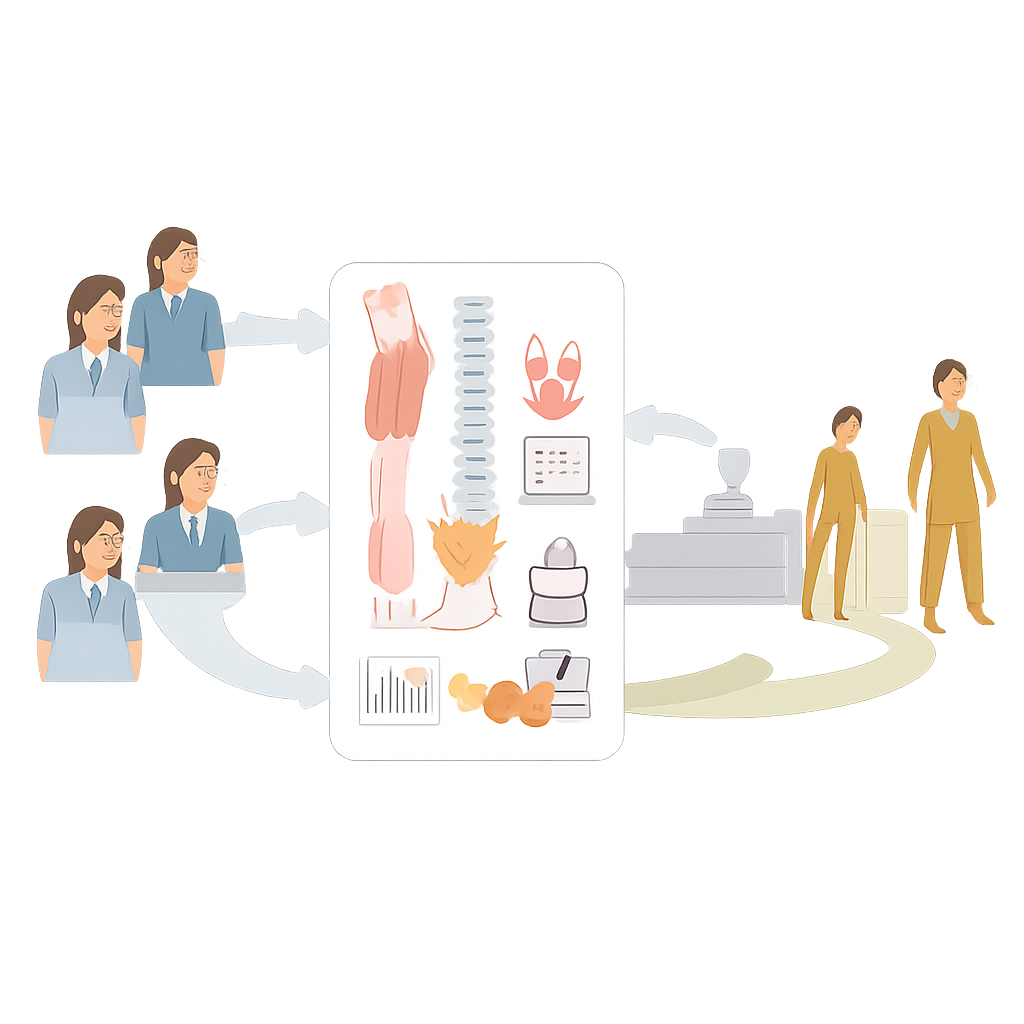
The researchers surveyed 456 orthopedic nurses from 40 hospitals across 10 provinces in China. All worked in wards that care for people undergoing bone surgery. Using an online questionnaire, the team asked about three areas: what nurses know about hidden blood loss (for example, its signs, harms, and risk factors), how they view its importance and their own responsibility, and how often they take concrete steps such as monitoring changes in blood levels, watching for subtle symptoms like dizziness or bruising, and working with doctors to respond. The survey also collected background information such as age, years of experience, hospital type, job rank, education level, and whether nurses had received specialized orthopedic training.
What nurses know and what they actually do
Overall, the nurses scored in the middle range on all three dimensions. On average, they answered about three quarters of the knowledge questions correctly and reported fairly positive attitudes toward learning about and managing hidden blood loss. Many recognized that such blood loss can cause anemia and serious complications, and they agreed that nurses share responsibility for detecting it. However, their self‑reported day‑to‑day actions lagged behind. Practice scores were the lowest of the three, suggesting that, although nurses understand the issue and care about it, they do not always carry out regular checks or calculations or actively seek new information in this area.
Experience, workplace, and training shape performance
The study found that where and how a nurse works makes a real difference. Nurses in large, top‑tier hospitals, those with more years on the job, higher professional titles, and university or postgraduate degrees tended to have stronger knowledge and better habits around hidden blood loss. Participation in specialized orthopedic training stood out: nurses who had received this training scored clearly higher on knowledge, attitudes, and everyday practice. Statistical analyses showed a strong link between knowledge and practice—nurses who knew more were much more likely to act on that knowledge. Surprisingly, there was a very weak negative link between attitudes and practice, hinting that goodwill alone does not overcome heavy workloads, complex calculation methods, or unclear procedures.
Barriers nurses face at the bedside
Open‑ended answers shed light on why action often falls short. Many nurses said their wards lacked clear step‑by‑step routines or written methods for judging hidden blood loss. Different doctor teams handled the problem in inconsistent ways, and the formulas used to estimate internal blood loss were seen as complicated. Nurses also described high patient loads, limited time, and scarce training opportunities. They wanted more teaching on how to define, diagnose, and prevent hidden blood loss, as well as practical guidance on how to monitor patients and respond promptly when problems arise.
What this means for patients and hospitals
For lay readers, the takeaway is simple: much of the blood lost in bone surgery is out of sight, but its effects on recovery are very real. This study shows that orthopedic nurses in China are aware of the problem and generally willing to tackle it, yet their skills and routines remain only moderate. Hospitals that invest in structured education, clearer protocols, better staffing, and formal orthopedic nurse training can help turn knowledge into action. By doing so, they give nurses the tools and support needed to catch hidden blood loss early, reduce avoidable transfusions and complications, and help patients regain their strength and independence more quickly after surgery.
Citation: Yang, S., Zhang, J., Jia, M. et al. Knowledge, attitude, and practices of nurses toward the assessment and management of perioperative hidden blood loss among orthopedic patients: A cross-sectional multicenter study. Sci Rep 16, 8750 (2026). https://doi.org/10.1038/s41598-026-39083-5
Keywords: hidden blood loss, orthopedic nursing, perioperative care, nurse education, patient blood management