Clear Sky Science · en
Biliary elimination of cholesterol can be modulated by hepatocyte mitochondrial Aquaporin-8 in mice
Why Cholesterol Needs a Way Out
Cholesterol is vital for building cell membranes and making hormones, but too much of it in the wrong place can clog arteries or form painful gallstones. One of the body’s main escape routes for extra cholesterol is through bile produced by the liver and released into the intestine. This study explores an unexpected player inside liver cells—tiny water and hydrogen peroxide channels in mitochondria—and shows how they can dial cholesterol excretion up or down. Understanding this internal “plumbing” could point to new ways of treating high cholesterol and gallstone disease that go beyond diet, pills, or surgery.
A Hidden Gatekeeper Inside Liver Cells
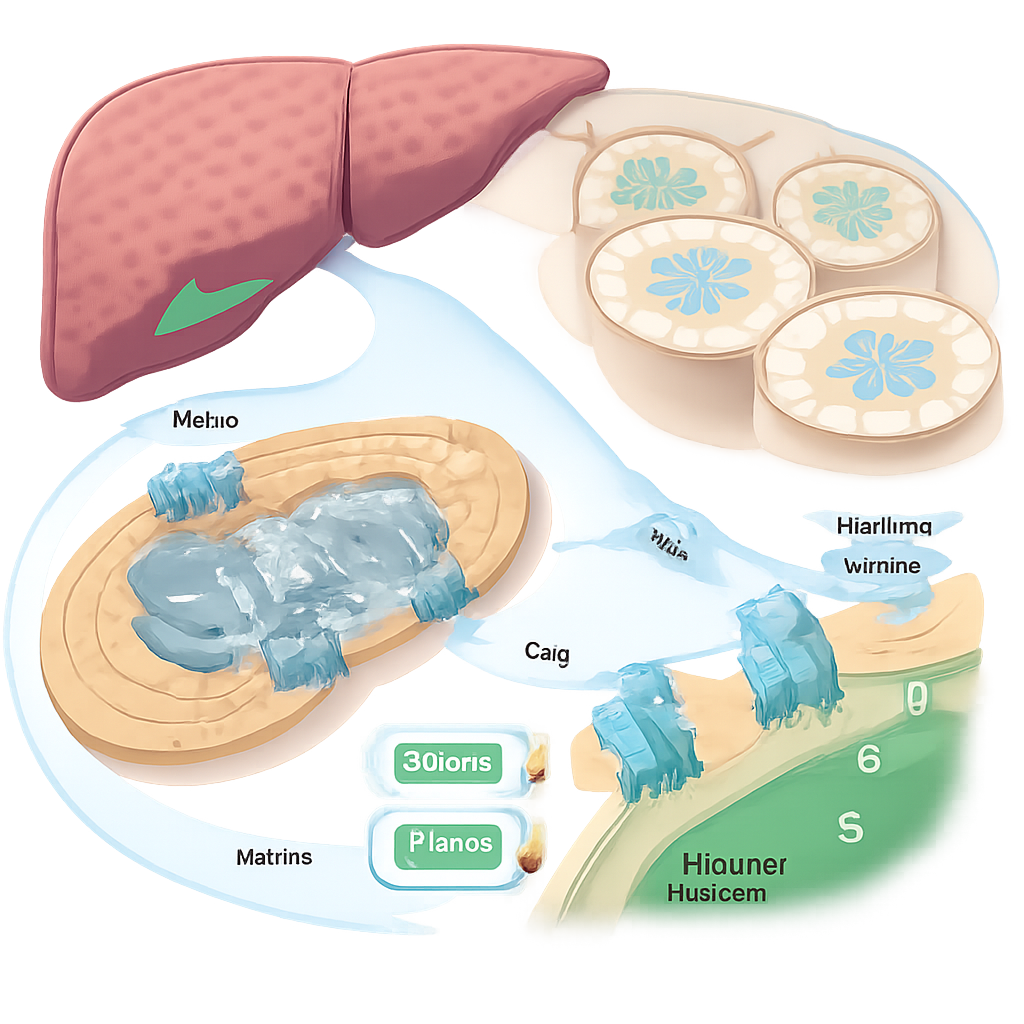
Our livers constantly balance how much cholesterol they make, take in, and push out. A key exit path runs through tiny channels in the liver cell’s bile-facing membrane, where a transporter protein called ABCG5 helps pump cholesterol into bile. Until now, most attention has gone to genes and hormones that control ABCG5 from the cell nucleus. The authors of this paper turned their focus inward, to mitochondria—the cell’s energy factories—where a channel called mitochondrial aquaporin-8 (mtAQP8) sits in the inner membrane. MtAQP8 lets hydrogen peroxide, a reactive signaling molecule, slip out of mitochondria. The researchers asked whether this small flow of hydrogen peroxide could influence the nuclear switches that govern cholesterol export into bile.
Turning the Knob Down: When the Channel Is Silenced
To test this idea, the team used engineered viruses to reduce mtAQP8 specifically in the livers of mice. When mtAQP8 levels dropped by about 60 percent, several important effects followed. The activity of SREBP-2, a master switch that responds to the cell’s cholesterol status, went down. So did the levels of liver X receptor (LXR), another regulator that senses cholesterol-related molecules and turns on genes that help export sterols. As a result, ABCG5 levels in the bile-facing membrane fell sharply, and the amount of cholesterol appearing in bile was cut by nearly half. These coordinated changes suggest that mtAQP8 normally helps keep the SREBP-2–LXR–ABCG5 pathway active enough to clear cholesterol efficiently.
Turning the Knob Up: Boosting the Channel and Cholesterol Flow
The researchers then flipped the experiment. Using another virus, they made liver mitochondria express extra human AQP8. In these mice, SREBP-2 and LXR levels rose, ABCG5 expression in the canalicular membrane increased dramatically, and biliary cholesterol excretion roughly doubled. Importantly, expressing a different water channel, AQP1, which does not sit in mitochondria, did not change ABCG5 or cholesterol output. This comparison indicates that it is not just any channel that matters, but specifically AQP8 located in mitochondria. The data point to a model in which mitochondrial AQP8 fine-tunes a hydrogen peroxide signal that travels from mitochondria to the nucleus, where it boosts the machinery that expels cholesterol into bile.
Blocking the Signal With an Antioxidant
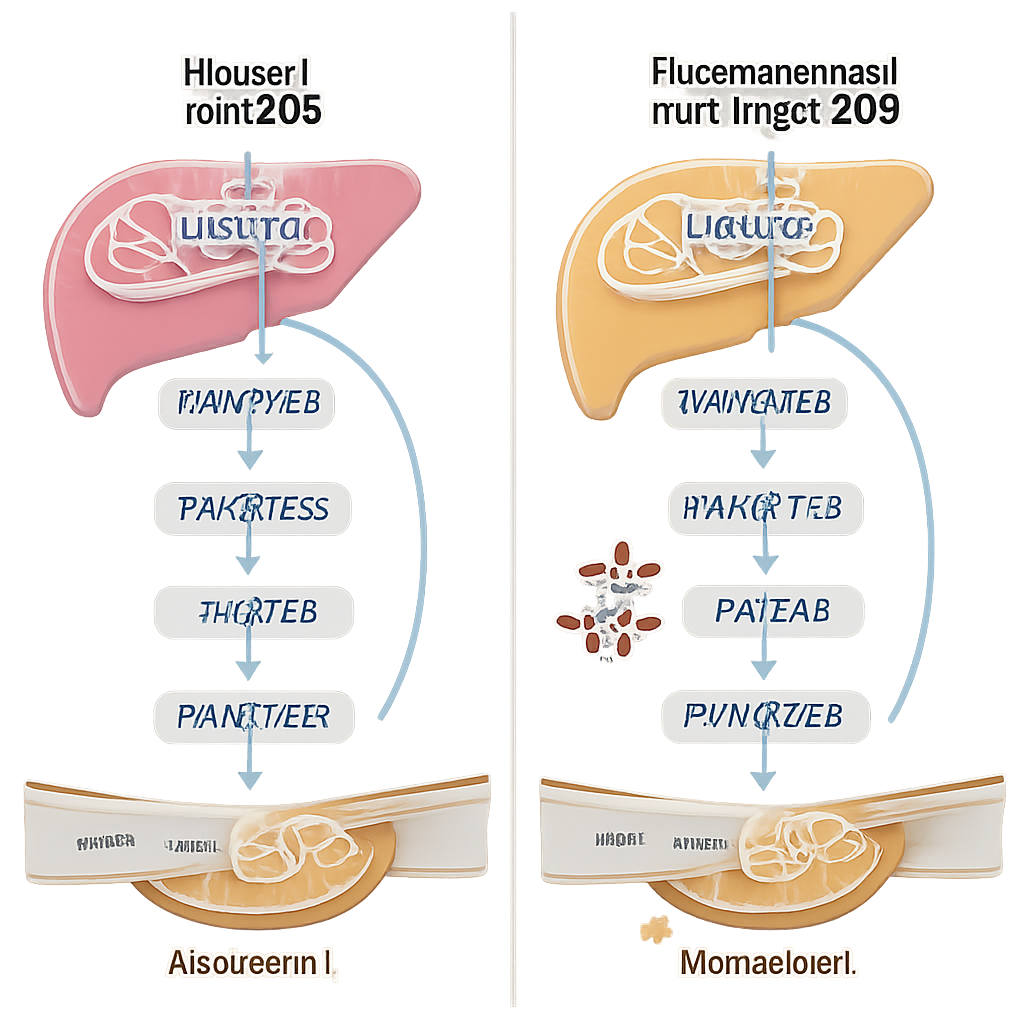
To probe the role of hydrogen peroxide more directly, the scientists treated mtAQP8-overexpressing mice with MitoTempo, a drug-like antioxidant that accumulates in mitochondria and quenches hydrogen peroxide. MitoTempo did not change how much AQP8 was present, but it did blunt the rise in SREBP-2 and ABCG5, and it prevented the surge in cholesterol excretion into bile. This implies that mitochondria-derived hydrogen peroxide, allowed out by mtAQP8, acts as a controlled messenger rather than merely a damaging by-product. When that signal is dampened, the liver’s cholesterol export system quiets down, even if the AQP8 channels themselves remain in place.
What This Means for Cholesterol and Gallstones
For non-specialists, the take-home message is that liver cells do not just decide how much cholesterol to get rid of based on simple on–off genetic switches. Instead, they integrate signals from energy-producing mitochondria, carried by small pulses of hydrogen peroxide moving through mtAQP8 channels, to adjust how strongly they pump cholesterol into bile. By showing that tweaking this pathway can halve or double cholesterol excretion in mice, and that a mitochondrial antioxidant can block the effect, the study identifies mtAQP8 and its redox signaling as potential therapeutic targets. In the future, drugs that modulate this microscopic flow could help prevent or treat cholesterol-driven liver problems and gallstones by improving the body’s natural ability to escort excess cholesterol safely out of the body.
Citation: Capitani, M.C., Capiglioni, A.M., Marinelli, R.A. et al. Biliary elimination of cholesterol can be modulated by hepatocyte mitochondrial Aquaporin-8 in mice. Sci Rep 16, 7579 (2026). https://doi.org/10.1038/s41598-026-39058-6
Keywords: cholesterol metabolism, bile and gallstones, liver mitochondria, redox signaling, aquaporin-8