Clear Sky Science · en
Time to death and its predictors among adults living with HIV receiving ART in Ethiopia applying proportional hazard model
Why this research matters to everyday life
HIV has become a treatable long-term condition for many people, thanks to powerful drug combinations known as antiretroviral therapy (ART). Yet not everyone who starts treatment has the same chance of living a long life. This study from Northeast Ethiopia asks a simple but vital question: among adults taking HIV medication, who is most at risk of dying, and when are they most vulnerable? The answers help health workers and policymakers focus scarce resources on the people who need the most support, especially in rural and low-income settings.
Following patients over a decade
The researchers looked back at ten years of medical records for 602 adults with HIV who began ART in public health facilities in Kemise town, Northeast Ethiopia, between 2010 and 2020. All were at least 15 years old and had no prior history of HIV treatment. Using standard statistical tools for tracking survival over time, they measured how long each person lived after starting therapy, and which personal or clinical characteristics were linked with a higher chance of death. People who were still alive at the end of the study were counted as survivors, while those who died from AIDS-related illnesses were counted as deaths.
When deaths occur and how often
Over the follow-up period, almost one in five patients (18%) died. What stood out was the timing: more than half of all deaths happened in the first six months after starting treatment. On average, patients were followed for just over four years, and the team calculated that about four people died for every 100 patient-years of observation. Survival remained high in the early months but steadily dropped over the years, with roughly 73% of patients still alive after ten years. This pattern shows that the early months on ART are a particularly fragile period when close monitoring and rapid response to complications can make a crucial difference.
Living conditions and access to care
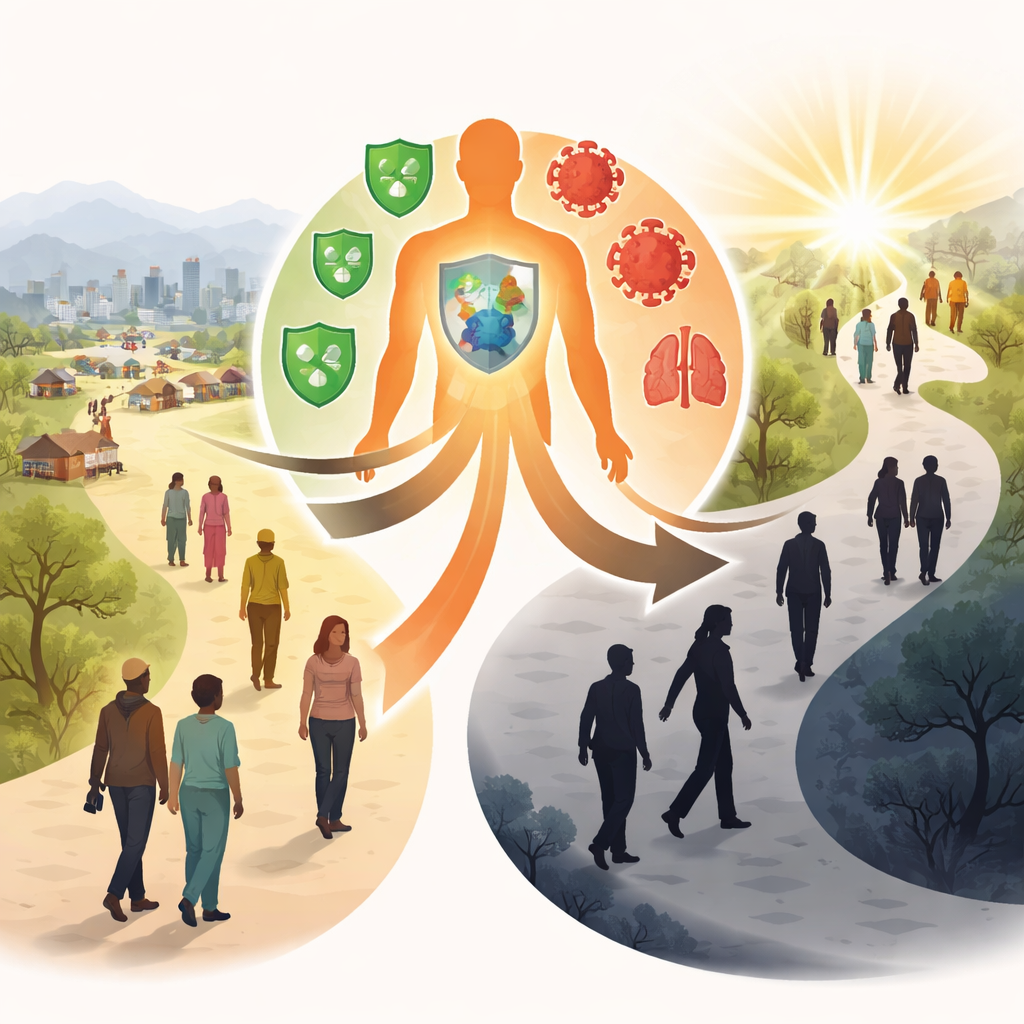
The study found that where patients lived strongly influenced their chances of survival. Adults from rural areas faced a higher risk of death than those in towns. Rural patients in this group tended to arrive at clinics in poorer overall health, with lower body weight and more advanced stages of HIV disease. Distance from clinics, travel costs, and limited health information likely make it harder for rural residents to start treatment early, keep appointments, and manage side effects. These findings highlight how social and geographic barriers can turn a manageable infection into a life-threatening one.
Health status at the start of treatment
Several measures of a patient’s health at the time they began ART were strongly tied to survival. People with very low CD4 counts—a marker of how weakened the immune system has become—were much more likely to die than those whose immune systems were stronger. Being bedridden rather than able to work or walk signaled a high risk as well. Patients who already had opportunistic infections, such as severe fungal or bacterial illnesses, or who were also living with tuberculosis, died more often than those without these added burdens. An unsuppressed viral load, meaning the virus was still present in large amounts in the blood, also predicted a higher chance of death, suggesting that the treatment was not working well enough or was not being taken consistently.
Protective treatments and other illnesses
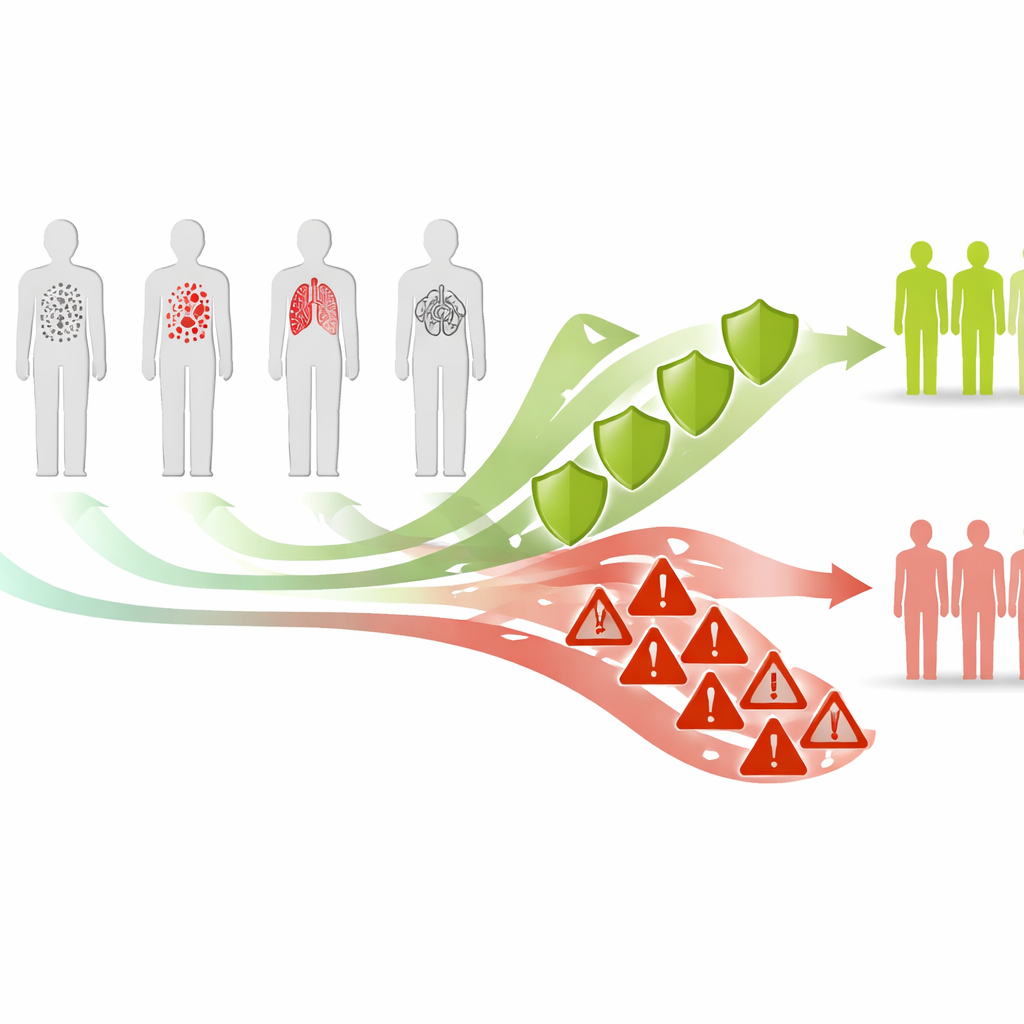
Not all influences were negative. One key protective factor was a simple, low-cost medication called co-trimoxazole, used to prevent certain serious infections. Patients who did not receive this preventive therapy were several times more likely to die than those who did, underlining how basic preventive care can save lives when combined with ART. On the other hand, people who had additional chronic health problems—such as other long-term diseases alongside HIV—also faced higher mortality, likely because managing multiple conditions and medications is more complex and raises the risk of complications.
What this means for patients and policymakers
For a layperson, the core message is straightforward: HIV treatment works, but its benefits are not shared equally. People who start ART late, are already very sick, live far from health facilities, or lack access to simple preventive drugs face a much greater risk of dying, especially in the first months of therapy. The study suggests that health programs in Ethiopia and similar settings can save more lives by expanding services to rural areas, encouraging earlier testing and treatment, ensuring that preventive drugs like co-trimoxazole are routinely provided, and giving extra support to patients with very weak immune systems or other serious illnesses. By focusing attention on these high-risk groups, health systems can turn more HIV diagnoses into long, manageable lives.
Citation: Hussen, M., Muche, A., Addisu, E. et al. Time to death and its predictors among adults living with HIV receiving ART in Ethiopia applying proportional hazard model. Sci Rep 16, 8776 (2026). https://doi.org/10.1038/s41598-026-39040-2
Keywords: HIV survival, antiretroviral therapy, Ethiopia, mortality risk, opportunistic infections