Clear Sky Science · en
Identifying and assessing BIM implementation challenges and success factors in sustainable building projects among Malaysian SMEs
Why Smarter Building Matters
Most of the homes, small offices, and neighborhood buildings in developing countries are built by small and medium-sized construction firms. These companies shape everyday life, but they often struggle with delays, cost overruns, and uneven quality. This study looks at how a digital approach called Building Information Modeling (BIM) could help these firms, focusing on Malaysia, and asks a simple question: what is really holding them back, and what would help them succeed?
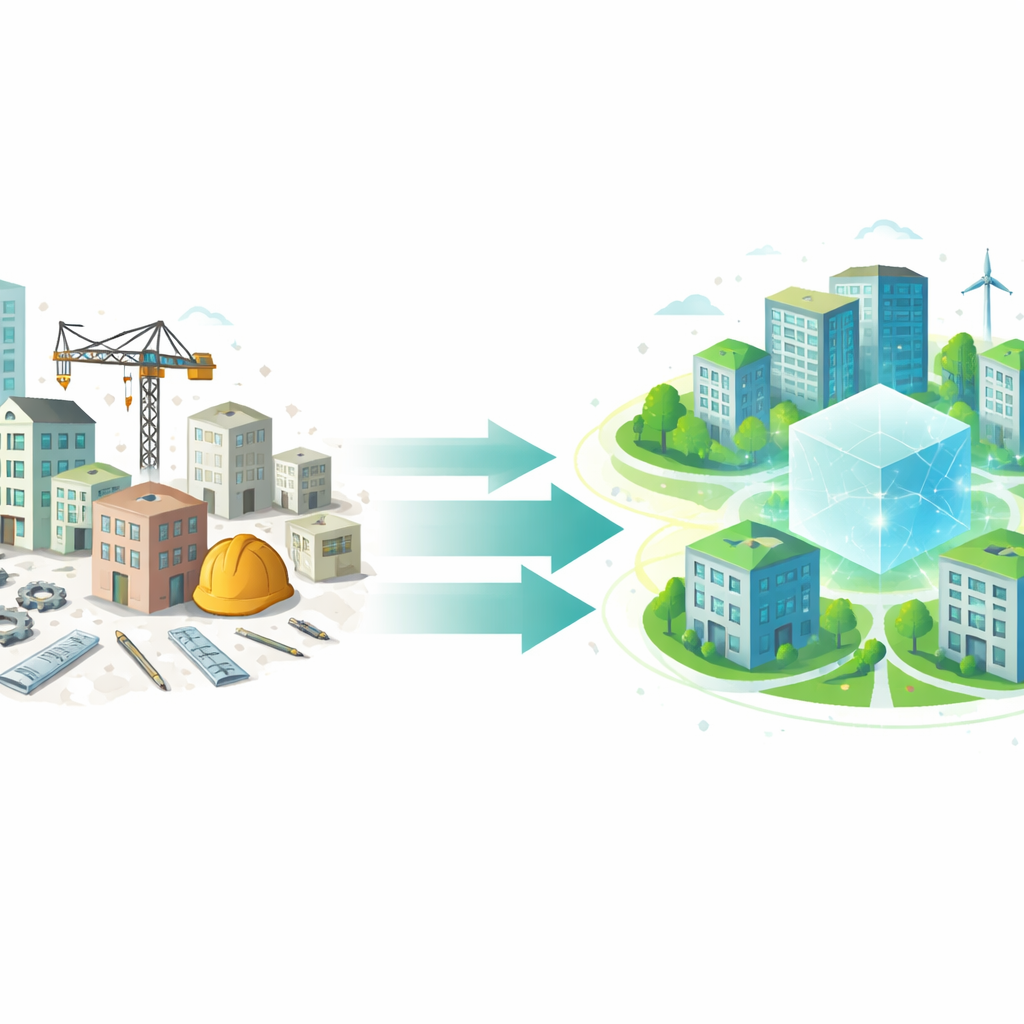
From Paper Plans to Digital Building Twins
BIM is a way of creating a smart, three‑dimensional digital version of a building that can be used from the first sketch through construction and maintenance. Instead of scattered drawings and spreadsheets, everyone works from a shared model that can show materials, costs, and future performance. For big companies and landmark projects, this approach is increasingly common. But in Malaysia, where small and medium enterprises (SMEs) build most low- and mid-rise projects, BIM use is rare. The authors surveyed 590 construction firms and analyzed 268 valid responses to understand how these smaller players view BIM and what stands in the way of broader use.
A Technology Few Have Tried
The survey revealed just how limited BIM use currently is among Malaysian SMEs. Only about one in eight respondents said their organization actually uses BIM, and even then it is usually reserved for special projects rather than everyday work. More than three quarters reported not using BIM at all, often because they lack the necessary software, hardware, and in‑house expertise. Over half of respondents rated their own understanding of BIM processes as below moderate, and about one in five had no awareness at all. Many were unsure how digital models would be shared, who would own the data, or how responsibilities would change when mistakes occur. These basic uncertainties show that, for many firms, BIM is still more buzzword than practical tool.
What Makes Adoption So Hard
Digging deeper, the researchers grouped the many reported obstacles into three broad types. First were “processing” challenges: no clear step‑by‑step procedures, poor coordination between different models, weak decision‑making structures, and difficulty getting scattered project teams to work in a unified way. Second were organizational challenges inside firms, such as the high cost of software and training, low understanding of BIM concepts, and resistance to changing familiar routines. Third were industry‑wide challenges beyond any single firm’s control: unclear legal rules, contracts that do not reflect digital ways of working, doubts about information ownership and security, and a general lack of demand from clients. Together, these forces make BIM adoption risky and confusing for smaller companies operating on tight margins.
What Helps Smaller Firms Succeed
The same survey also asked experienced respondents what makes BIM work when it does. The most important ingredients all appear early in a project. Getting the whole project team involved from the start, making sure the right information and digital tools are available, and choosing suitable BIM software and delivery methods early on were rated as critical. When the researchers analyzed dozens of potential “success factors,” they found they naturally clustered into five groups: supportive policies and leadership; reliable and compatible technology; healthy interaction and trust between stakeholders; strong professional skills and training; and clear BIM‑friendly processes that define roles, deliverables, and levels of detail over the building’s life. In short, successful BIM is less about a single program and more about aligning people, tools, and rules.

What This Means for Everyday Building
For a layperson, the message is straightforward. Digital building models can help even modest housing or shop‑lot projects finish faster, cost less, and perform better over time. But small firms will not adopt BIM just by hearing that it is “the future.” They need affordable training, simpler standards, clear legal guidance, and clients and regulators who actively ask for digital delivery. This study turns a long list of technical points into a manageable map of three main challenge areas and five groups of success factors. That map can guide governments, industry bodies, and small firms as they work together to bring the benefits of smart, coordinated building to the everyday structures where most people live and work.
Citation: Al-Ashmori, Y.Y., Othman, I., Al-Aidrous, AH.M.H. et al. Identifying and assessing BIM implementation challenges and success factors in sustainable building projects among Malaysian SMEs. Sci Rep 16, 9177 (2026). https://doi.org/10.1038/s41598-026-39021-5
Keywords: Building Information Modeling, construction SMEs, digital construction, Malaysia, sustainable building projects