Clear Sky Science · en
Circulating short- and medium-chain fatty acids in pregnancy and associations with maternal and infant metabolism, inflammation, and body composition
How Gut Fats in Pregnancy May Shape Health
Pregnancy is a time of massive change, not just for the growing baby but also for the mother’s metabolism and immune system. Tiny molecules made when gut bacteria digest food—short- and medium-chain fatty acids—circulate in the blood and can influence how the body handles sugar, fat, and inflammation. This study asked whether those gut-derived fats in pregnant women are linked to the mother’s metabolic health and to her baby’s early growth and body composition, offering clues about how the maternal gut may quietly tune the biology of the next generation.
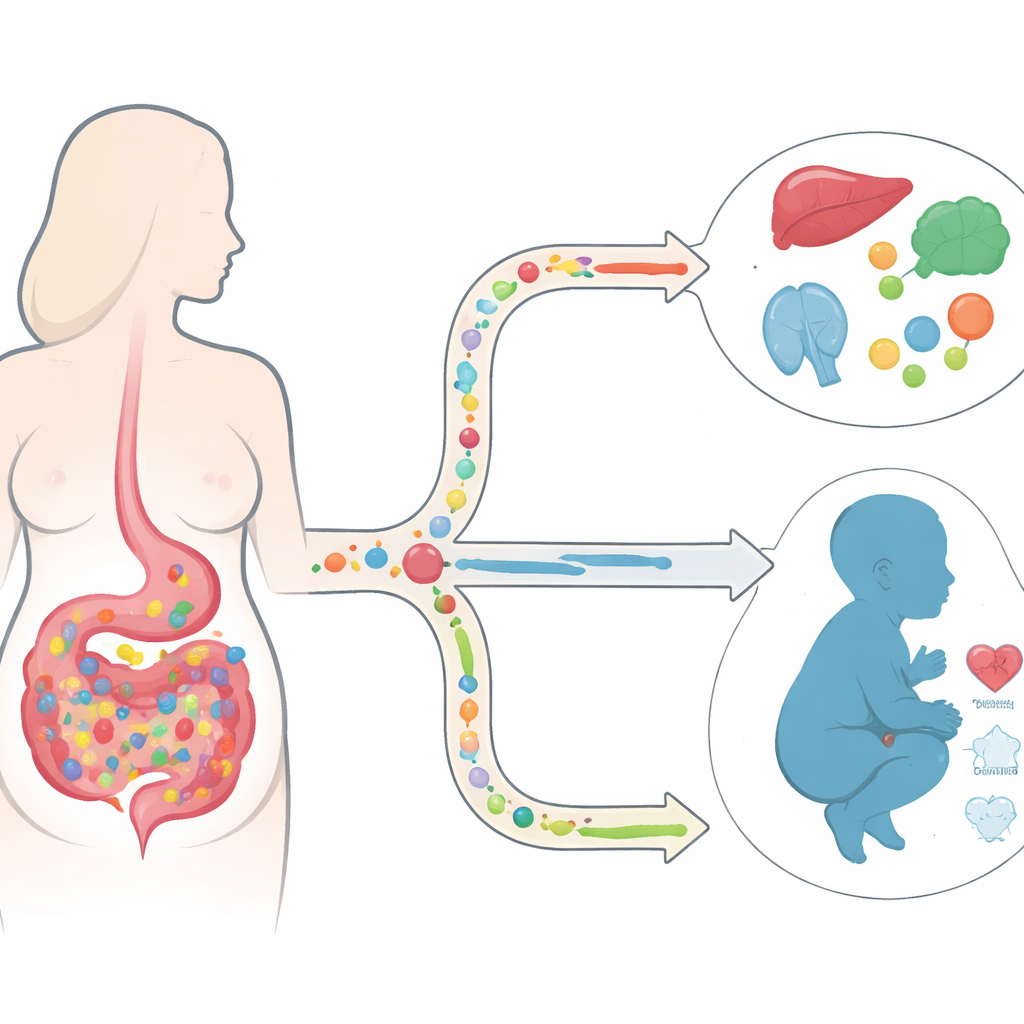
Tiny Molecules from the Gut
When we eat fiber and certain proteins, friendly microbes in the large intestine break them down and release small fatty acids. The main ones are acetate, propionate, and butyrate, along with a few related “branched” and medium-length fats. These compounds can serve as fuel for gut cells, help control cholesterol and fat production in the liver, and send signals that calm or activate the immune system. During pregnancy, the gut microbiome and these fatty acids shift dramatically, but their links to a mother’s metabolism and to her baby’s early growth have not been well mapped in humans.
Following Mothers and Babies over Time
The researchers drew on data from the Growing Life, Optimizing Wellness Study, which followed more than 200 healthy women from early pregnancy through birth, and their infants into the first six months of life. Blood samples from mothers were collected in the first trimester (around 4–10 weeks) and again in the third trimester (around 30 weeks). Using sensitive laboratory methods, the team measured several short- and medium-chain fatty acids in the mothers’ blood. They also combined many standard blood markers—such as cholesterol, triglycerides, insulin, glucose, and inflammatory proteins—into a single “metabolic–inflammatory index” that reflects overall metabolic and immune stress. For infants, body size and body composition (fat and lean mass) were measured at two weeks and six months of age, and a similar blood-based index was calculated at six months.
Links to Maternal Inflammation and Fuel Use
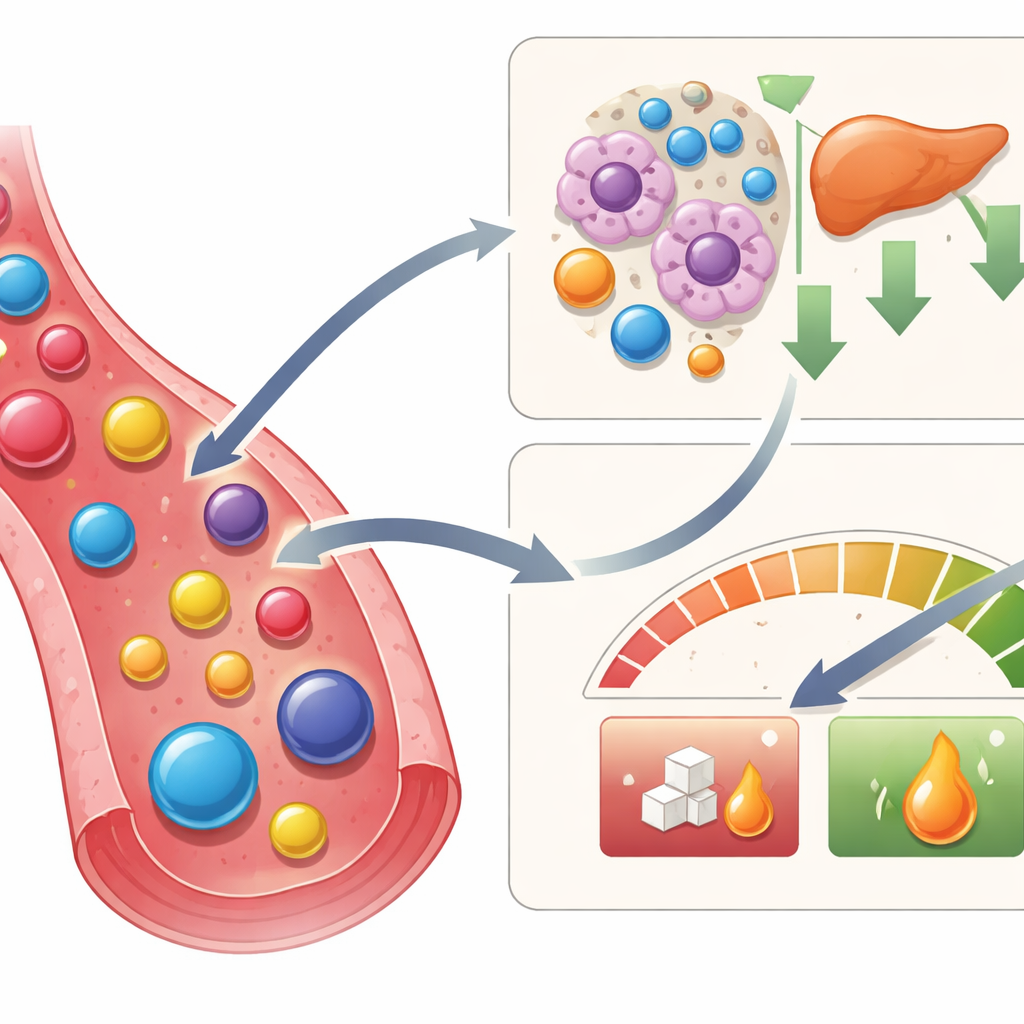
The clearest patterns emerged in late pregnancy. Higher blood levels of several fatty acids—butyrate, propionate, caproic acid, isobutyric acid, and isovaleric acid—were associated with a lower metabolic–inflammatory index in mothers, suggesting a more favorable combination of blood lipids, hormones, and inflammatory markers. In contrast, when acetate was high relative to propionate or butyrate, the index tended to be higher, hinting that the balance between these fatty acids may matter as much as their absolute amounts. The study also examined how these molecules related to energy use. Across both early and late pregnancy, higher acetate and higher total short- and medium-chain fatty acids were linked to a slightly lower respiratory exchange ratio, a measure that indicates the body was burning relatively more fat and less carbohydrate for fuel. These shifts were subtle but point to a role for gut-derived fats in steering which fuels pregnant women use at rest.
Limited Impact on Early Infant Growth
In contrast to the mother-focused findings, the downstream effects on babies were modest. Overall, maternal levels of individual fatty acids in early or late pregnancy were not strongly tied to infant weight, length, fat mass, or lean mass at two weeks or six months. The one notable exception was that higher maternal caproic acid early in pregnancy was linked to slightly lower lean mass relative to length in newborns at two weeks. Additionally, a higher ratio of propionate to butyrate in the mother’s blood during the third trimester was associated with a higher metabolic–inflammatory index in infants at six months, suggesting that the mother’s fatty acid balance late in pregnancy may leave a subtle imprint on the infant’s metabolic and immune environment, even if it does not yet show up as differences in body size or fatness.
What This Means for Mothers and Babies
Taken together, the study suggests that gut-derived fatty acids in late pregnancy may help shape the mother’s inflammatory and metabolic profile and influence whether her body leans more on fat or carbohydrate for energy. Certain fatty acids and their combinations appear to be linked with a calmer, more balanced metabolic–inflammatory state, while others—especially when acetate dominates—may be associated with greater stress on these systems. For infants, however, early body size and composition seem relatively protected from these shifts, at least in the first six months of life. These findings highlight the gut–mother–baby connection and lay the groundwork for future research into whether diet, microbiome-targeted therapies, or other strategies that alter these small fatty acids during pregnancy might one day support healthier metabolic outcomes for both mothers and their children.
Citation: Kebbe, M., Lan, R.S., Pack, L. et al. Circulating short- and medium-chain fatty acids in pregnancy and associations with maternal and infant metabolism, inflammation, and body composition. Sci Rep 16, 9001 (2026). https://doi.org/10.1038/s41598-026-39010-8
Keywords: pregnancy metabolism, gut microbiome, short-chain fatty acids, maternal inflammation, infant body composition