Clear Sky Science · en
Clinical efficacy and cost-effectiveness analysis of mobile health interventions in diabetes care: a systematic review and meta-analysis
Why Your Phone Could Help Control Diabetes
Smartphones have become constant companions, but can they actually help people live better with diabetes—and save money at the same time? This study pulls together results from around the world to ask whether mobile health tools, like apps and text messages, really improve blood sugar control and reduce healthcare costs. The findings matter not just for people with diabetes, but for families, doctors, and health systems looking for affordable ways to manage a common and costly disease.
Phones as Pocket Health Coaches
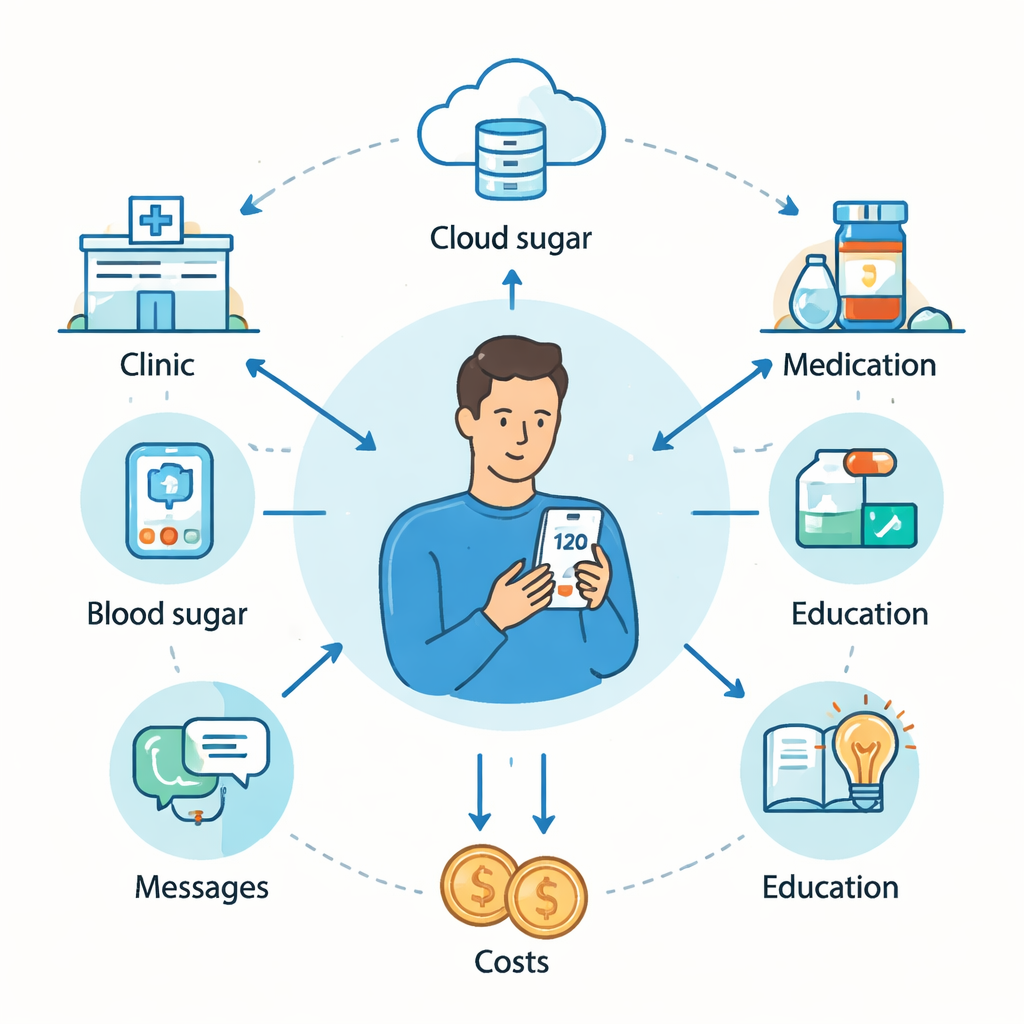
Mobile health, or mHealth, covers tools such as diabetes apps, connected glucose meters, and automated text messages that remind users to check their blood sugar, take medicines, and stay active. These tools can also send readings to nurses or doctors, who can adjust treatment without an office visit. The researchers systematically searched major medical databases for studies from 2014 to 2024 that tested such tools in people with, or at risk for, diabetes. Only rigorous studies—especially randomized controlled trials and formal cost analyses—were included, ensuring that the results reflect carefully measured benefits and costs.
What the Numbers Say About Blood Sugar
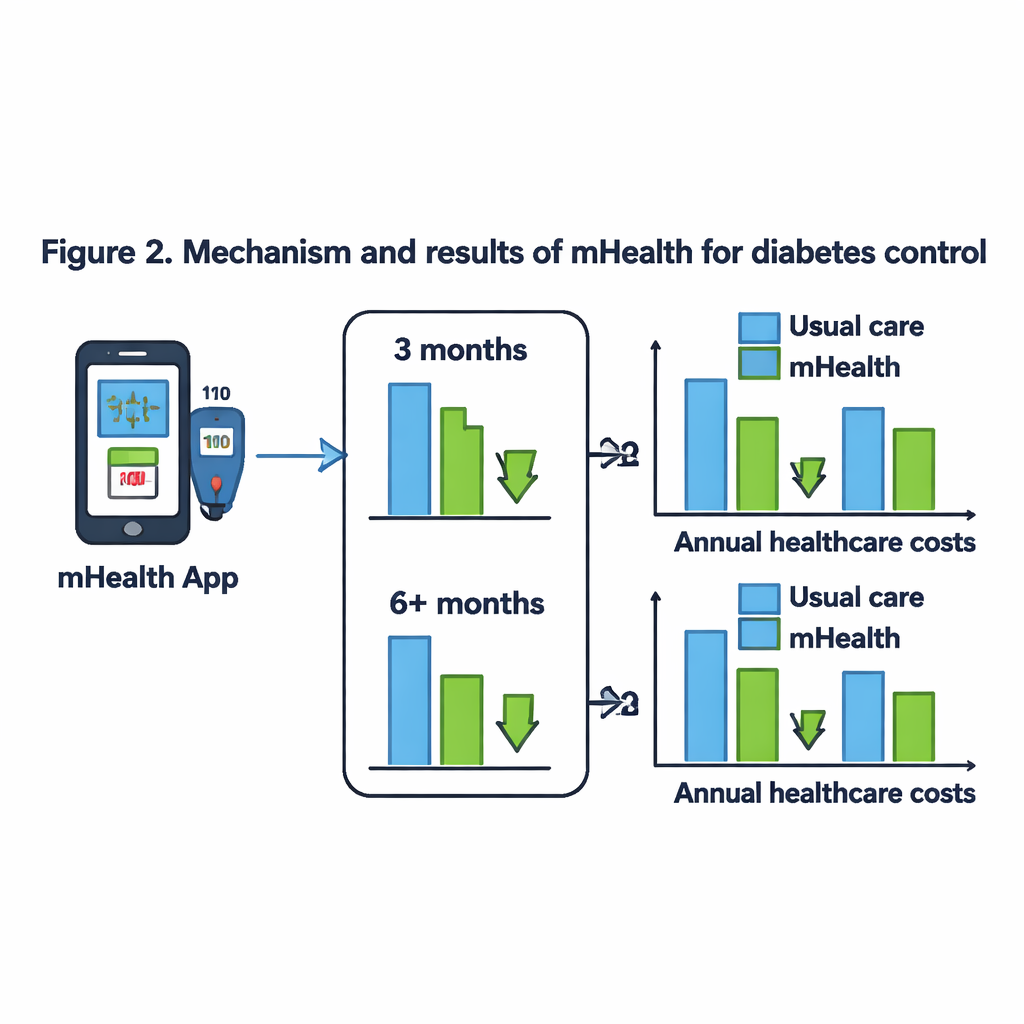
The team focused on a key long-term measure of blood sugar called HbA1c, which gives an average of glucose levels over about three months. Across nine studies, most showed that people using mHealth tools lowered their HbA1c more than those receiving usual care alone. When the results were combined, mHealth users saw an overall drop of about 0.3 percentage points in HbA1c. The effect was strongest in the first three months—around a 0.6 point drop—but faded by six months, suggesting that people may use the tools less over time or that the initial boost in motivation wears off. Other measures, such as fasting blood sugar, body weight, and blood pressure, changed little or only modestly, indicating that apps alone may not be enough to shift lifestyle factors like diet and exercise without additional support.
Saving Money While Supporting Care
Beyond health measures, the study examined whether mHealth tools are worth the cost of developing and running them. Five economic studies showed that, despite setup expenses, these tools often reduced overall spending. People using mHealth had fewer hospital stays and outpatient visits, which translated into estimated yearly savings of roughly $449 to $881 per person in some studies. Large models across several European countries suggested millions of dollars in savings when mobile-based glucose monitoring was built into routine care. Standard economic measures, such as cost per year of healthy life gained, were generally well below common thresholds used by health systems to judge value, even if improvements in day-to-day quality of life scores were small or hard to detect over short follow-up periods.
Short-Term Gains, Long-Term Questions
While the early results are promising, the review also highlights unanswered questions. Studies varied widely in the types of apps and messages used, the people enrolled, and how long they were followed. Most looked at only a few months of data, so it is not yet clear how well people stick with these tools over years or whether benefits on blood sugar translate into fewer heart attacks, strokes, or kidney problems down the line. Reporting quality for economic studies was mixed, with some leaving out important details like how future costs were handled or how uncertainties were tested. This makes it harder for policymakers to compare programs or plan large-scale rollouts with confidence.
What This Means for Everyday Life
For people living with diabetes, this study suggests that thoughtfully designed phone-based tools can modestly improve blood sugar control in the short term and may reduce trips to the hospital, helping both health and wallets. However, the benefits are not automatic or permanent; they seem strongest when people actively engage with the app and when the technology is woven into regular care, with feedback from health professionals and support for lifestyle changes. In simple terms, your phone can be a helpful assistant in managing diabetes, but it is not a cure-all—it works best as part of a broader team effort involving you, your healthcare providers, and a system that supports long-term use.
Citation: Butt, M.D., Ong, S.C., Javaid, I. et al. Clinical efficacy and cost-effectiveness analysis of mobile health interventions in diabetes care: a systematic review and meta-analysis. Sci Rep 16, 7774 (2026). https://doi.org/10.1038/s41598-026-38999-2
Keywords: diabetes, mobile health apps, digital health, blood sugar control, healthcare costs