Clear Sky Science · en
Autoantibody and disease control stability following mRNA COVID-19 vaccination in rheumatoid arthritis: an observational cohort study
Why this matters for people with arthritis
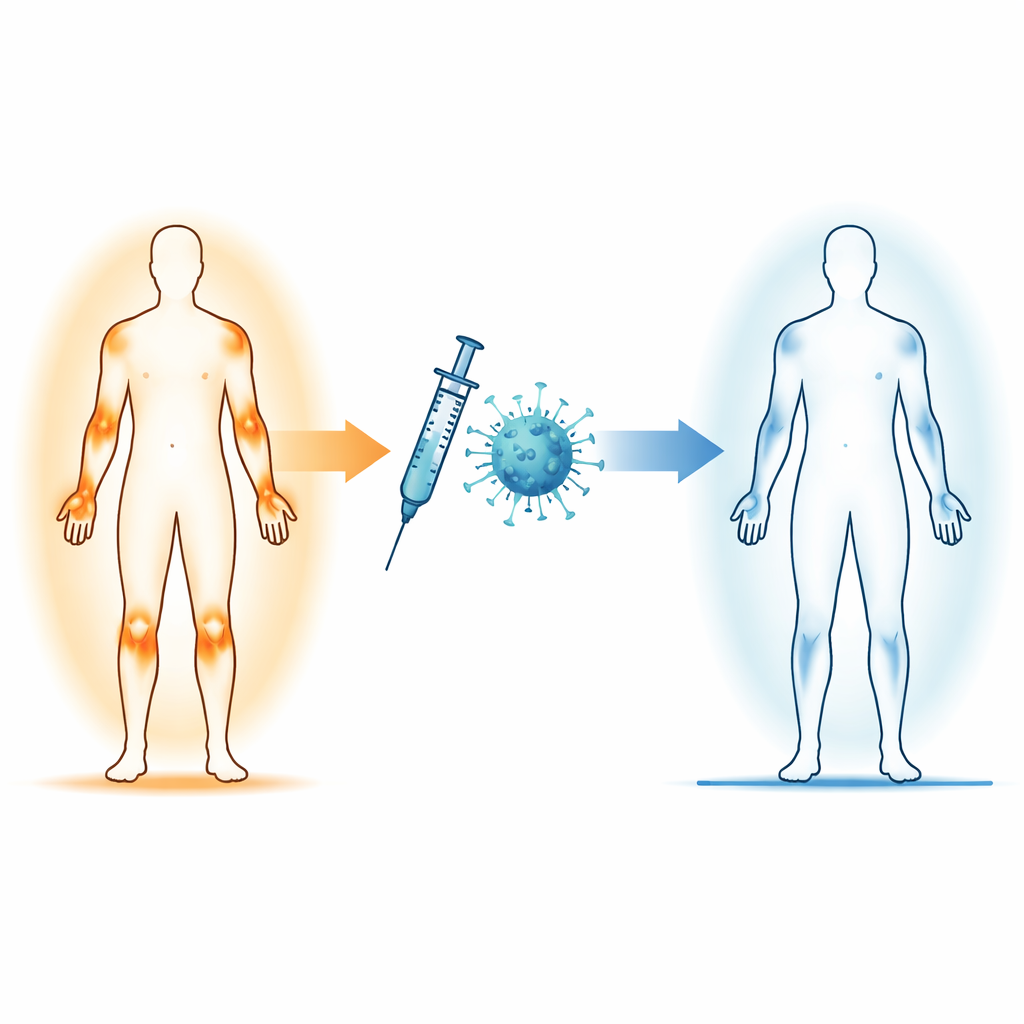
Many people living with rheumatoid arthritis worry that repeated COVID-19 booster shots might stir up their already overactive immune systems, making their arthritis worse or creating new immune problems. This study followed hundreds of patients over several years to see what actually happened inside their bodies after multiple mRNA vaccinations. The findings offer reassuring news: the vaccines did not fuel the harmful immune activity that drives joint damage, and one key marker even tended to go down.
Checking the immune system’s fingerprints
Rheumatoid arthritis is an autoimmune disease in which the immune system makes special blood proteins, called autoantibodies, that mistakenly target the body’s own tissues. Two of the best-known are rheumatoid factor and anti-citrullinated protein antibodies. Higher levels of these markers are often linked to more severe or longer-lasting disease. Because both COVID-19 itself and, in rare cases, vaccines can be associated with autoimmune-like reactions, doctors and patients have been understandably cautious about repeated booster shots, especially when someone already has an autoimmune condition.
A real-world follow-up of hundreds of patients
Researchers in Japan drew on a long-running rheumatoid arthritis clinic database to track 427 patients who had been seen regularly before COVID-19 vaccination began. They compared 359 people who received mostly mRNA vaccines, often up to seven doses, with 68 who remained unvaccinated. Over several years, the team repeatedly measured rheumatoid factor and anti-citrullinated antibodies, recorded vaccine dates and types, and carefully followed disease activity scores that capture joint pain, swelling, and overall symptoms. Advanced statistical methods were used to make the vaccinated and unvaccinated groups as comparable as possible in terms of age, treatments, and disease severity.
What happened to autoantibodies
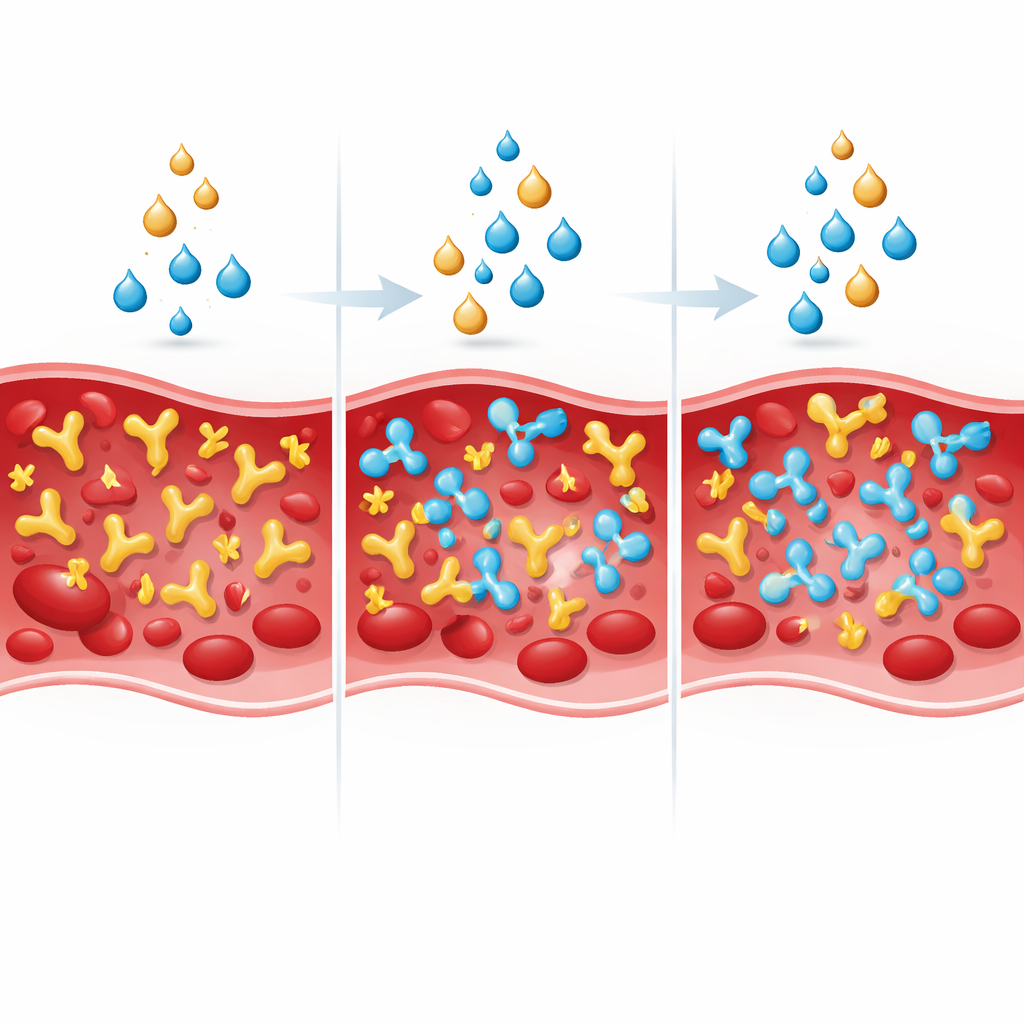
When the scientists focused on the weeks right after each vaccination, they found that rheumatoid factor levels showed a small but statistically reliable decline over successive doses in vaccinated patients. In contrast, the other key antibody, the anti-citrullinated type, stayed essentially unchanged. When they compared vaccinated and unvaccinated patients over the entire follow-up period, there were no meaningful differences in typical antibody levels. A small fraction of patients who were negative for these antibodies at the start did become positive over time, but the rates were low and similar whether or not they had received vaccines. Overall, there was no sign that repeated mRNA vaccination was driving a surge in harmful autoantibodies.
Did arthritis flares get worse?
Beyond blood tests, the crucial question for patients is whether their day-to-day joint symptoms worsened. The study counted flares, defined as noticeable jumps in a standard disease activity score between clinic visits. Over the years of follow-up, vaccinated and unvaccinated patients had a similar number of flares on average, and most people in both groups remained in low disease activity. In other words, repeated boosters did not appear to destabilize arthritis control or trigger more frequent flare-ups.
What the results mean for patients
Taken together, the findings suggest that repeated mRNA COVID-19 vaccination is unlikely to aggravate the immune misfiring that underlies rheumatoid arthritis. The main blood markers of autoimmunity did not rise; one of them, rheumatoid factor, even showed a modest decline, hinting that the vaccine’s effects on the immune system might be gently calming rather than provoking. While this was a single-center observational study with some limitations, it strongly supports public health recommendations that people with rheumatoid arthritis can receive ongoing mRNA COVID-19 boosters without expecting a surge in autoantibodies or a loss of disease control.
Citation: Fujii, T., Murata, K., Nakabo, S. et al. Autoantibody and disease control stability following mRNA COVID-19 vaccination in rheumatoid arthritis: an observational cohort study. Sci Rep 16, 8187 (2026). https://doi.org/10.1038/s41598-026-38988-5
Keywords: rheumatoid arthritis, COVID-19 vaccination, mRNA booster, autoantibodies, vaccine safety