Clear Sky Science · en
Small RNA sequencing analysis identified miR159a as a novel candidate for activity in plant-derived nanovesicles from limon, hassaku, and sudachi
Citrus Fruits and Tiny Messengers
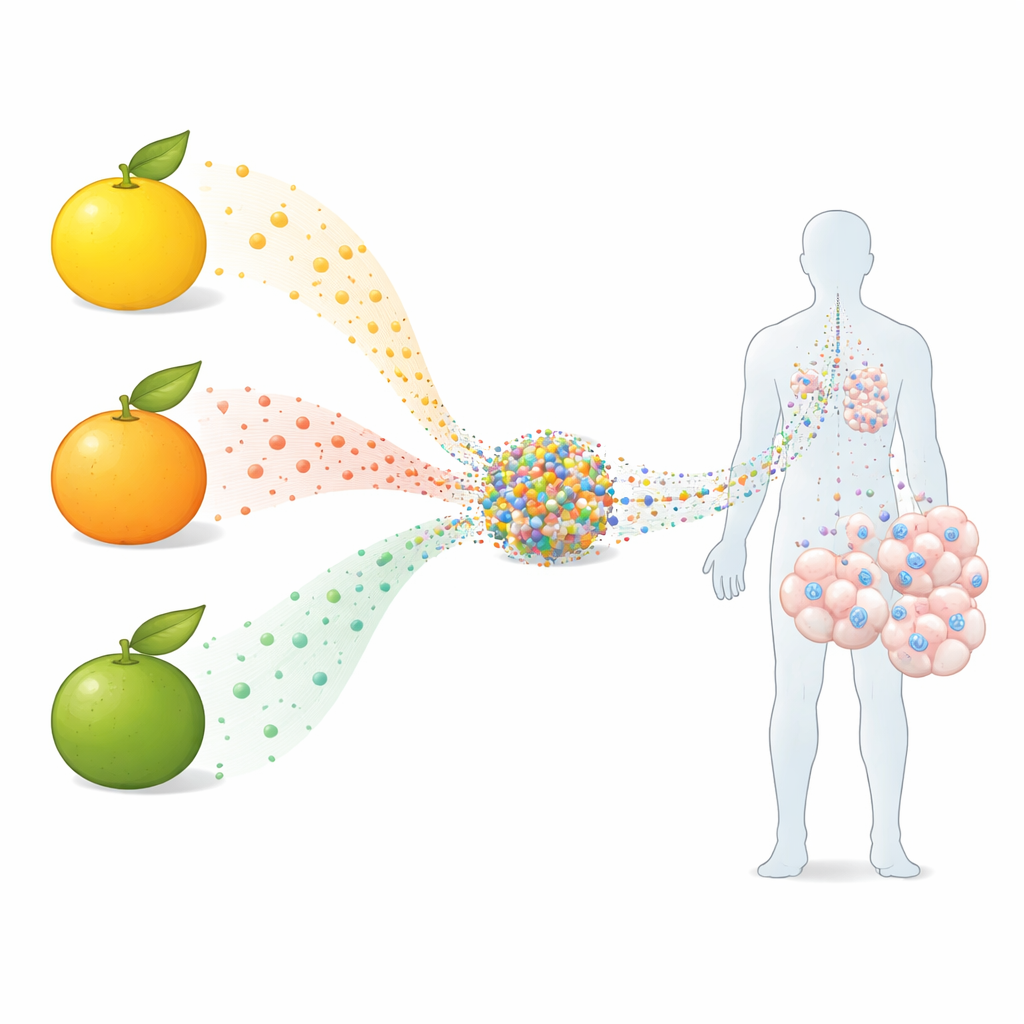
Many people already think of citrus fruits as healthy, but scientists are now exploring whether lemons and their relatives might deliver tiny genetic messengers that influence our cells. This study looks at microscopic bubbles released from citrus juice and asks a simple question with big implications: what genetic fragments do these bubbles carry, and could they help explain why citrus-based particles have shown promise against cancer and inflammation?
Tiny Bubbles from Everyday Fruit
The researchers focused on plant-derived nanovesicles—extremely small, membrane-wrapped bubbles that plants release, somewhat like the extracellular vesicles our own cells use for communication. They gently juiced three related citrus fruits, lemon (C. limon), hassaku, and sudachi, and then used a series of high-speed spins and filtering steps to isolate these nanovesicles from the juice. Measurements showed that the vesicles from all three fruits were similar in size, typically about one ten-thousandth the width of a millimeter, and that they carried detectable amounts of RNA, the same type of molecule that includes our cells’ messenger RNAs and microRNAs.
Reading the Genetic Cargo
To see what kinds of small RNAs these vesicles contained, the team applied next-generation sequencing, a technology that can count millions of short RNA fragments in parallel. They focused on microRNAs—very short strands that can fine-tune gene activity. Because full genome information for the three fruits is not yet public, the sequences were compared to a closely related citrus species. Across all samples, the scientists identified 158 distinct microRNAs, 109 of which matched previously known sequences and 49 that appeared to be new. Most of the small RNAs were the sizes typical of plant microRNAs, indicating they were indeed capturing plant-derived molecules rather than random breakdown products.
A Standout Signal Across Citrus
When the researchers compared the three citrus species, they found that 77 microRNAs showed up in all of them, suggesting a shared “core set” of genetic messages carried by citrus nanovesicles. One microRNA in particular, called miR159a, clearly stood out: it had the highest read count in every library and remained the most abundant even after normalizing for sequencing depth. Previous studies in humans and animals have linked plant miR159a to anti-cancer effects, including the ability to dampen a cancer-promoting signaling route and to reduce growth of breast and colorectal cancer cells, as well as to anti-inflammatory actions and cholesterol handling. In this work, the authors also showed that nanovesicles from all three citrus species could slow the growth of human colorectal cancer cells in culture, hinting that shared cargo such as miR159a might be involved, although they did not directly test this mechanism.
What We Know and What We Don’t
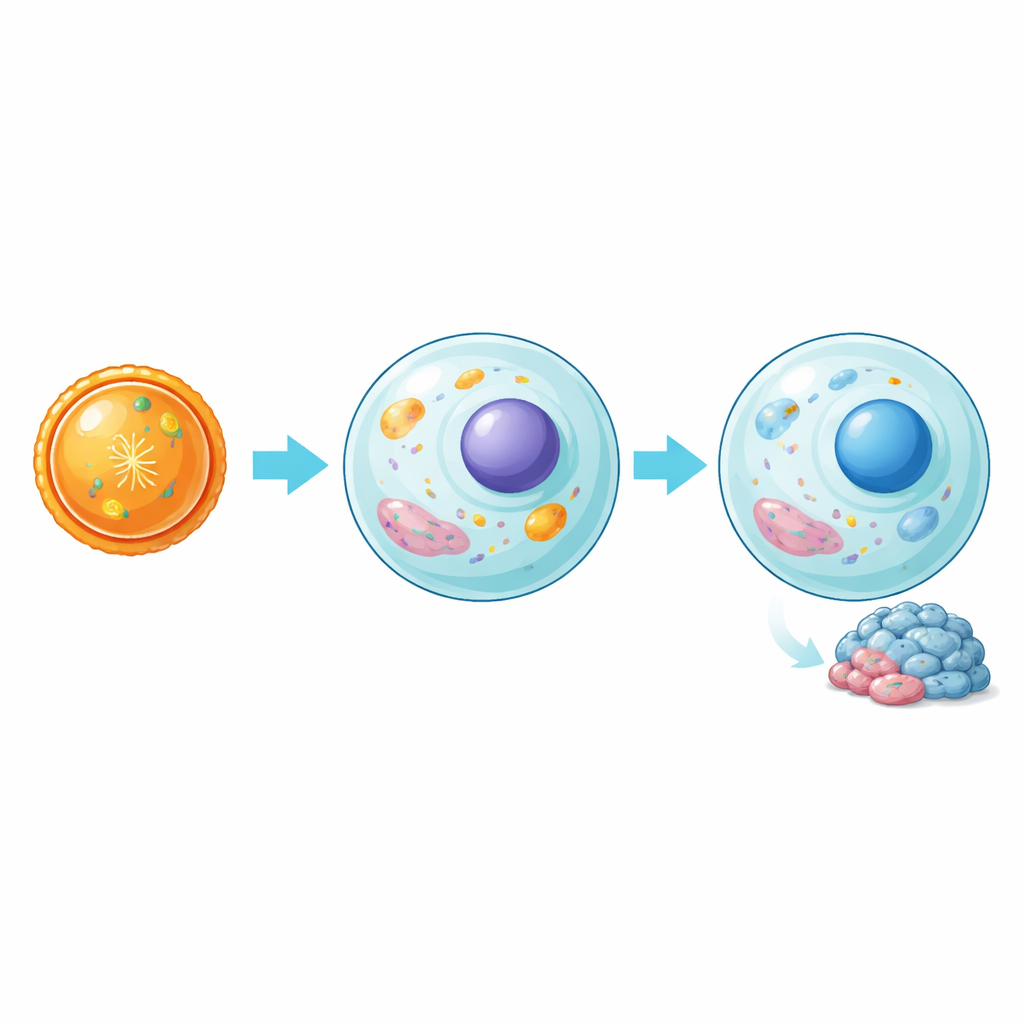
The authors are careful about the study’s limits. They did not yet prove that the detected RNAs are fully sealed inside the vesicles, nor did they track whether citrus microRNAs actually enter human cells or change specific genes. In fact, most of the small RNA material in these samples consisted of ribosomal RNA fragments, with microRNAs making up only a small fraction of the total. There were also no biological replicates for the sequencing libraries, so the exact dominance of miR159a could partly reflect technical details rather than an unchanging property of all citrus harvests. Still, the recurring presence and high relative abundance of miR159a across three different fruits suggest it may be a characteristic component of citrus nanovesicles.
Why This Matters for Everyday Health
In plain terms, this study shows that tiny bubbles from common citrus fruits carry a recognizable and partly shared set of genetic regulators, with one candidate—miR159a—consistently rising to the top. Because separate research has associated plant miR159a with anti-tumor and anti-inflammatory activities, the finding raises the possibility that such molecules contribute to the biological effects seen when citrus-derived vesicles are tested on human cells. The work does not prove that drinking citrus juice will deliver therapeutic doses of these microRNAs, or that they directly protect against cancer, but it lays essential groundwork: it maps the genetic cargo of these vesicles and identifies miR159a as a promising marker to follow in future studies of how diet might send microscopic instructions from plants into our own bodies.
Citation: Takakura, H., Miyamoto, S., Yamamoto, T. et al. Small RNA sequencing analysis identified miR159a as a novel candidate for activity in plant-derived nanovesicles from limon, hassaku, and sudachi. Sci Rep 16, 8709 (2026). https://doi.org/10.1038/s41598-026-38951-4
Keywords: citrus nanovesicles, plant microRNA, miR159a, diet and cancer, extracellular vesicles