Clear Sky Science · en
Epidemiological characteristics of Mycoplasma pneumoniae in hospitalized children before during and after the COVID-19 pandemic in xi’an China
Why a childhood pneumonia study matters now
Parents around the world have noticed that kids seem to be getting sick in new ways after the COVID-19 pandemic. This study from Xi’an, a major city in northwestern China, looks closely at one important germ behind childhood pneumonia—Mycoplasma pneumoniae—and asks how its behavior changed before, during, and after COVID-19 restrictions. The answers help explain recent waves of coughs and fevers in children and offer clues about what families and health systems should expect in the years ahead.
A quiet but common cause of lung infections
Mycoplasma pneumoniae is a tiny bacterium that often causes chest infections in school-aged children and teenagers. Many infections are mild or even go unnoticed, but in some children it leads to serious pneumonia that requires hospital care and can, in rare cases, be life-threatening. Unlike many germs, it spreads slowly and can linger in the body for weeks, so it tends to cause outbreaks every few years rather than constant, steady infections. Before COVID-19, doctors in China and elsewhere had grown used to these patterns and knew to watch for peaks in cooler months, especially autumn.
Following children through seven years of change
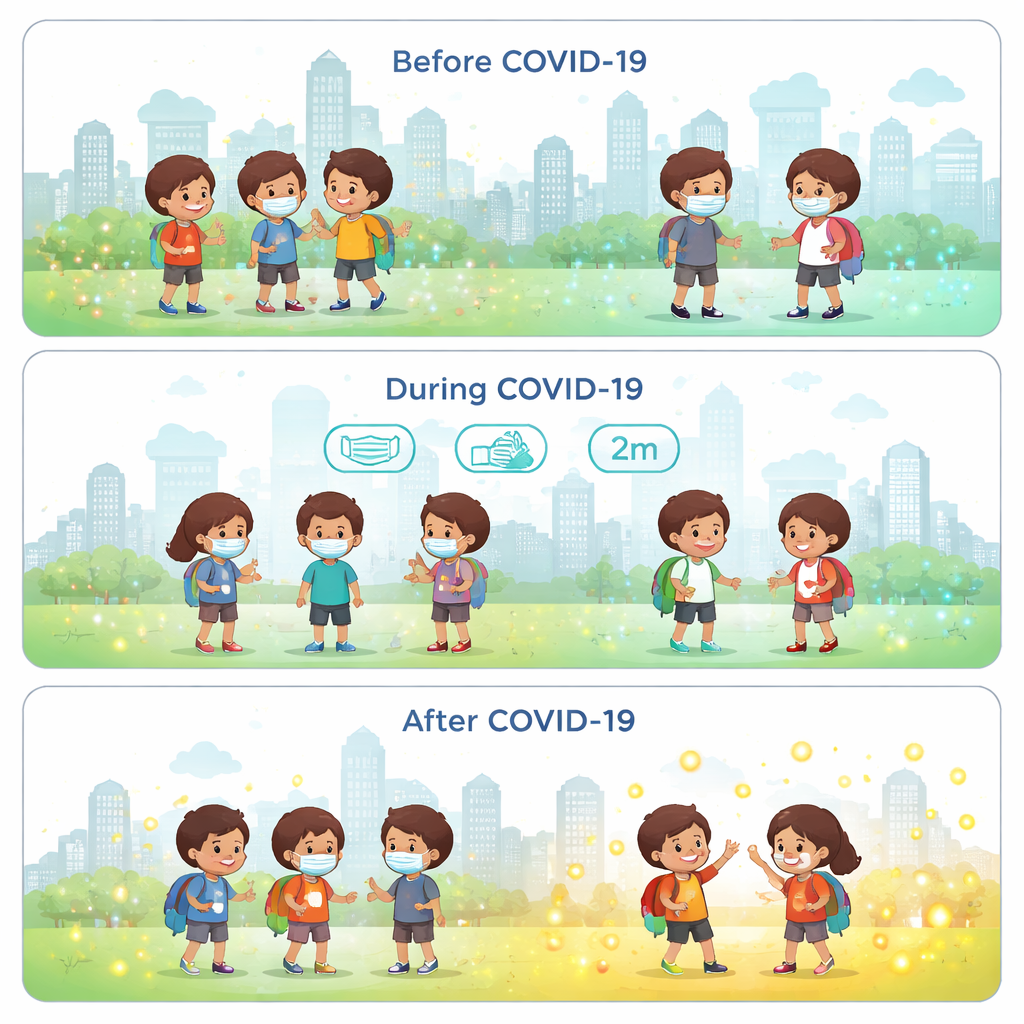
The researchers examined hospital records for 15,718 children aged 1 to 18 years who were admitted with community-acquired pneumonia between 2017 and 2023. Every child was tested for Mycoplasma pneumoniae using standard blood tests. The team divided the timeline into three phases: the years before COVID-19 (2017 to early 2020), the pandemic period with strict masking and distancing rules (2020 to late 2022), and the first full year after China relaxed these measures (late 2022 through 2023). They then compared who got infected, when infections were most common, and how sick the children seemed across these different periods.
When restrictions cut germs—and what happened after
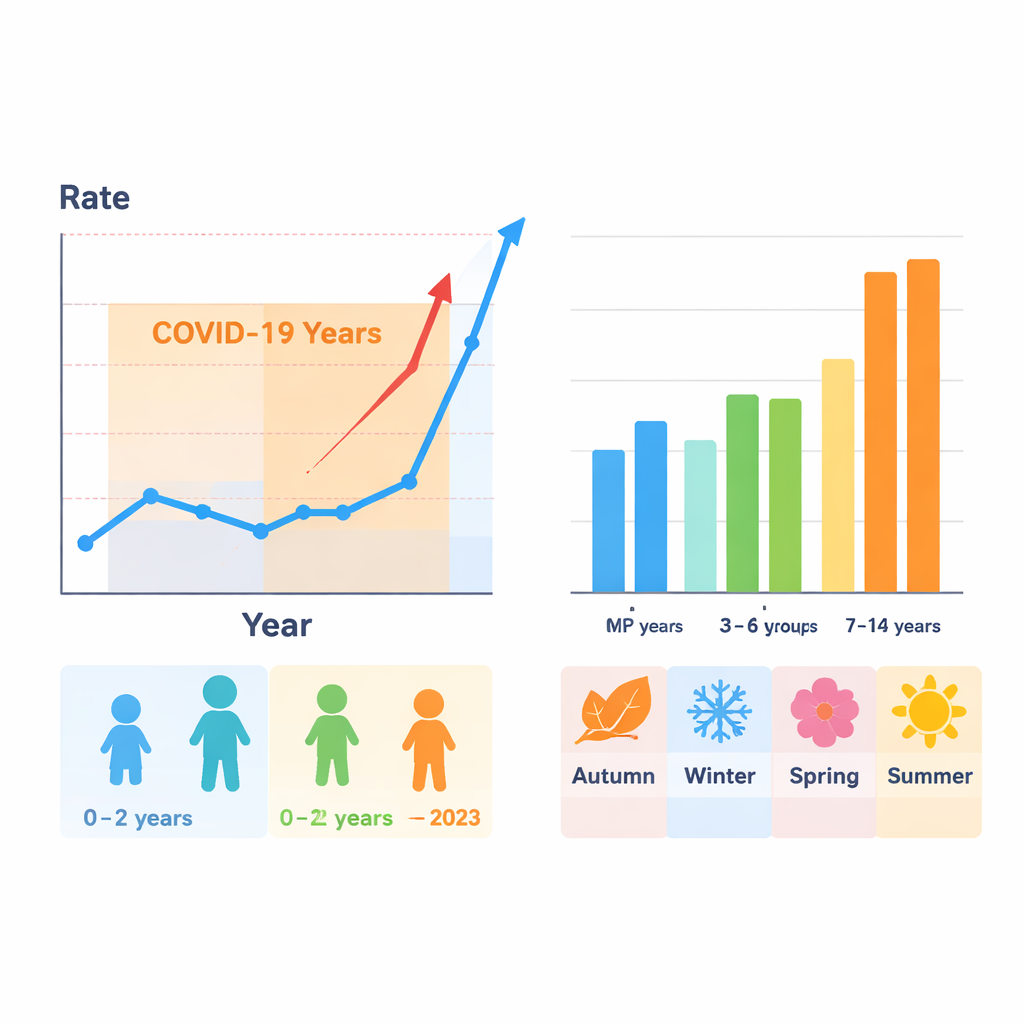
Overall, about one in three hospitalized children with pneumonia tested positive for this germ. Infections were most common in children older than six, and autumn stood out as the peak season. During the strict COVID-19 control period, however, Mycoplasma pneumoniae almost disappeared: positivity rates dropped to their lowest levels of the entire study. Once masks and distancing rules were lifted, the pattern flipped. In the post-pandemic phase, the proportion of pneumonia patients testing positive climbed higher than before COVID-19, with an especially sharp surge in 2023 starting in spring and peaking in autumn. Statistical models confirmed that being in the post-pandemic period was strongly linked to higher odds of infection, even after accounting for age, sex, and season.
Older kids, autumn spikes, and possibly more severe illness
The profile of affected children also shifted. Before the pandemic, many of the infected patients were toddlers and preschoolers. After restrictions ended, older children and teenagers made up nearly half of all positive cases, suggesting that the age range of those at risk had widened. Autumn became even more dominant as the peak season for infections. At the same time, signs pointed toward more severe disease: children stayed in the hospital longer, families faced higher medical costs, and chest images more often showed solid patches in the lungs—a pattern linked to stronger inflammation. The authors suggest several possible reasons, including an “immune debt,” where several years of low exposure left more children vulnerable, the possibility of tougher drug-resistant strains, and other hidden infections that may have made illnesses worse.
What this means for parents and health planners
For families, the study’s message is not to panic but to stay alert. Mycoplasma pneumoniae remains a familiar germ, but its comeback after COVID-19 appears stronger, especially in school-age children and in the autumn months. For doctors and public health officials, the findings highlight the need for continued tracking of childhood pneumonia, smarter use of antibiotics, and better monitoring for drug-resistant strains. In simple terms, the measures that protected children from many germs during the pandemic also changed the “normal” pattern of infections. As life returns to normal, health systems must adapt to this new landscape so that children with serious lung infections are recognized early and treated effectively.
Citation: Liu, N., Wang, Y., Bai, TM. et al. Epidemiological characteristics of Mycoplasma pneumoniae in hospitalized children before during and after the COVID-19 pandemic in xi’an China. Sci Rep 16, 7577 (2026). https://doi.org/10.1038/s41598-026-38940-7
Keywords: childhood pneumonia, Mycoplasma pneumoniae, post-COVID infections, respiratory outbreaks, pediatric epidemiology