Clear Sky Science · en
Development and investigation of the psychometric properties of the rehabilitation resilience scale (RRS) for caregivers of children with cerebral palsy
Why this matters for families
Caring for a child with cerebral palsy is often a marathon, not a sprint. Parents and other family members must juggle daily care, medical visits, and long-term rehabilitation, all while coping with uncertainty about the future. This study focuses on a hopeful question: what helps caregivers stay emotionally strong and engaged in their child’s rehabilitation over time? To answer it, the authors created and tested a new measurement tool that captures how well caregivers adapt and bounce back in this demanding setting.
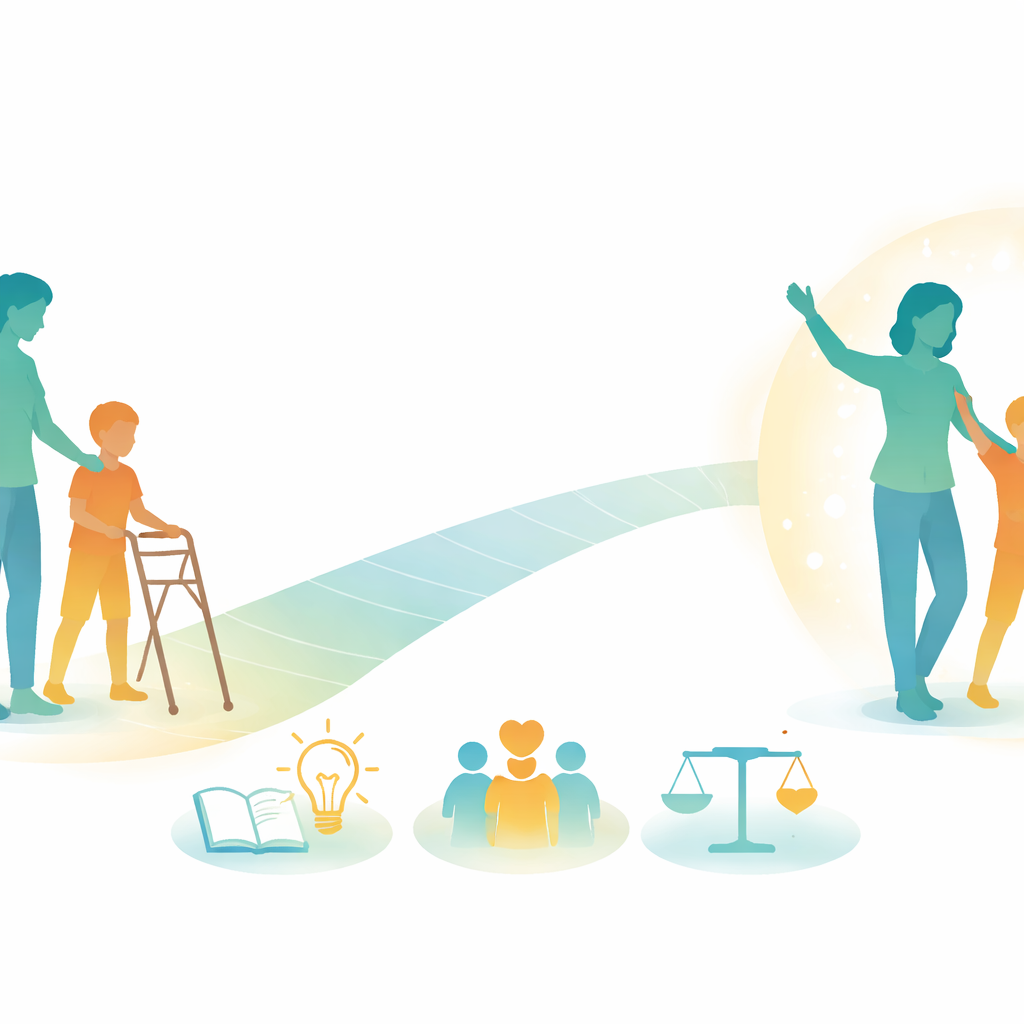
Living with a child’s long-term condition
Cerebral palsy is a lifelong condition that affects movement and posture and is one of the most common causes of childhood disability worldwide. While treatments and therapies can greatly improve a child’s abilities, there is no cure. Progress depends heavily on what happens outside the clinic—on how consistently parents and other caregivers support exercises, appointments, and home-based activities. Yet these caregivers often face higher stress, worry, and physical and financial strain than families of typically developing children. Their ability to keep going, adapt, and find new ways to cope—what researchers call resilience—can shape both their own wellbeing and the child’s rehabilitation outcomes.
A new way to measure caregivers’ strength
Existing resilience questionnaires were mostly designed for the general public or for adults caring for other adults. They do not fully reflect what it means to raise a child who needs intensive, long-term rehabilitation. To close this gap, the researchers developed the Rehabilitation Resilience Scale (RRS), a questionnaire built specifically for caregivers of children with cerebral palsy. They began with a broad review of scientific studies and then conducted in-depth interviews with caregivers to capture real-life experiences, emotions, and challenges. Next, a panel of experienced clinicians and researchers reviewed and refined the questions through two rounds of structured feedback, making sure the wording was clear, relevant, and practical.
What the new scale looks at
The final version of the RRS includes 47 questions grouped into seven key areas. These cover how caregivers learn and use rehabilitation skills, how they set and pursue rehabilitation goals, and how much support they receive from family, friends, and healthcare professionals. The scale also examines how caregivers manage their emotions and how they take on and adjust to their caregiving responsibilities. Together, these areas paint a picture of resilience as something that grows from both personal strengths and outside resources, rather than a fixed trait. This multidimensional view fits with modern thinking about resilience as a dynamic process that can change over time and with the right support.
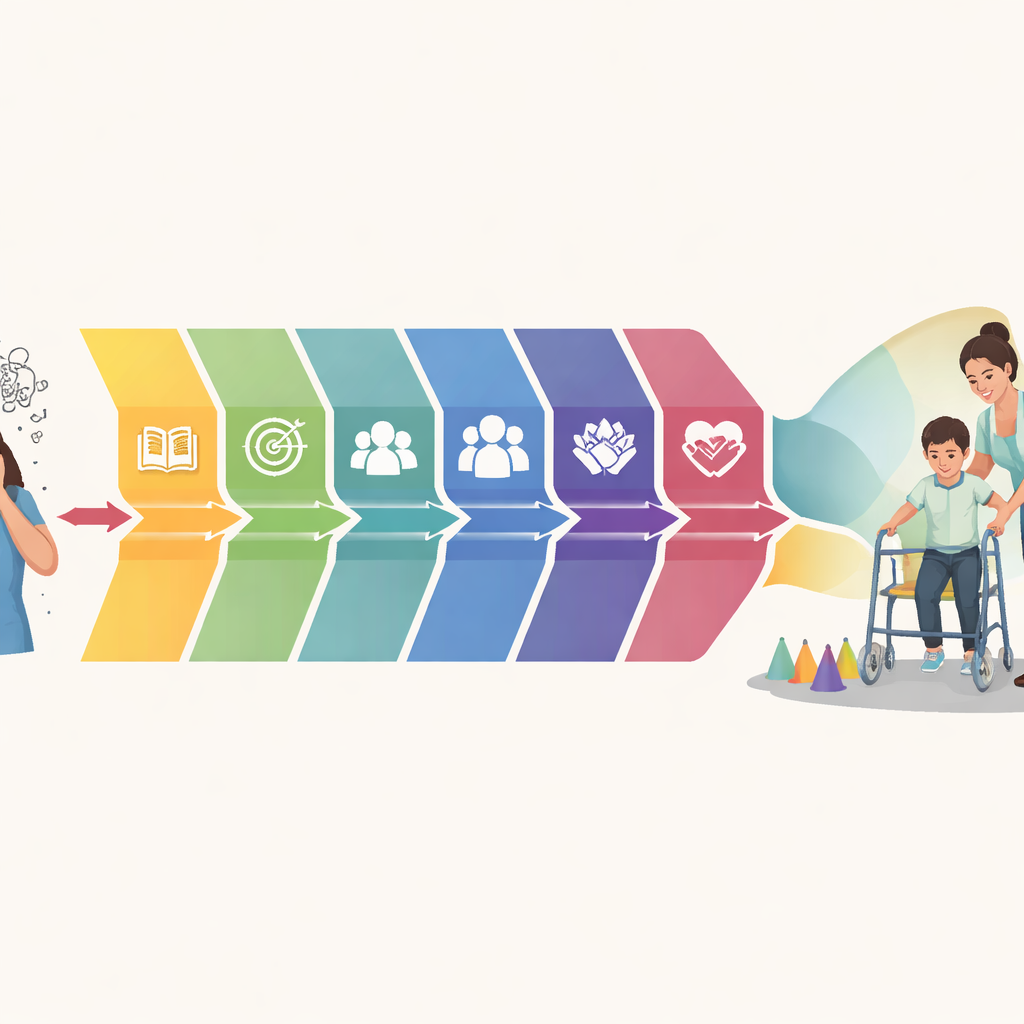
Putting the tool to the test
To see if the scale worked well, the team surveyed more than 400 caregivers at two major hospitals in China. They checked whether each question could distinguish between caregivers with higher and lower resilience and whether the seven areas formed a stable structure. Their analyses showed that the items fit together in a clear pattern and that different parts of the scale hung together reliably. Scores on the new scale were strongly linked to scores on an established general resilience questionnaire, suggesting the RRS is measuring what it is supposed to measure. The researchers also found that resilience scores varied in sensible ways across groups: for example, caregivers with higher education or higher family income tended to show stronger resilience, reflecting known links between resources and coping.
How this can help families and clinicians
By offering a focused, reliable way to measure rehabilitation resilience, the RRS gives clinicians and researchers a practical tool for spotting caregivers who might be struggling and for tracking changes over time. A therapist could use the scale to identify where support is most needed—perhaps providing extra teaching on home exercises, connecting families with peer support, or offering counseling for emotional strain. The authors note that more work is needed to test the scale in other regions and cultures and to see how sensitive it is to change as caregivers receive help. Still, this study lays important groundwork for making caregiver resilience a visible, measurable part of pediatric rehabilitation, with the ultimate goal of improving life for both children with cerebral palsy and the families who care for them.
Citation: Yang, NB., Zheng, BL., Huang, W. et al. Development and investigation of the psychometric properties of the rehabilitation resilience scale (RRS) for caregivers of children with cerebral palsy. Sci Rep 16, 8091 (2026). https://doi.org/10.1038/s41598-026-38922-9
Keywords: cerebral palsy caregivers, rehabilitation resilience, family support, caregiver mental health, pediatric rehabilitation