Clear Sky Science · en
Spiritual interventions and self-stigma in the family of person who use drugs: a clinical trial study
Why this matters for families
Behind every person who struggles with drug use, there is usually a family wrestling with fear, shame, and unanswered questions. This study looks at a hopeful idea: that guided spiritual group sessions, rooted in everyday values like meaning, connection, and compassion, can ease the heavy burden of self-blame and stigma that many relatives quietly carry. By understanding how this approach works, families, caregivers, and professionals may find new ways to support both recovery and emotional healing at home.
The hidden weight of shame
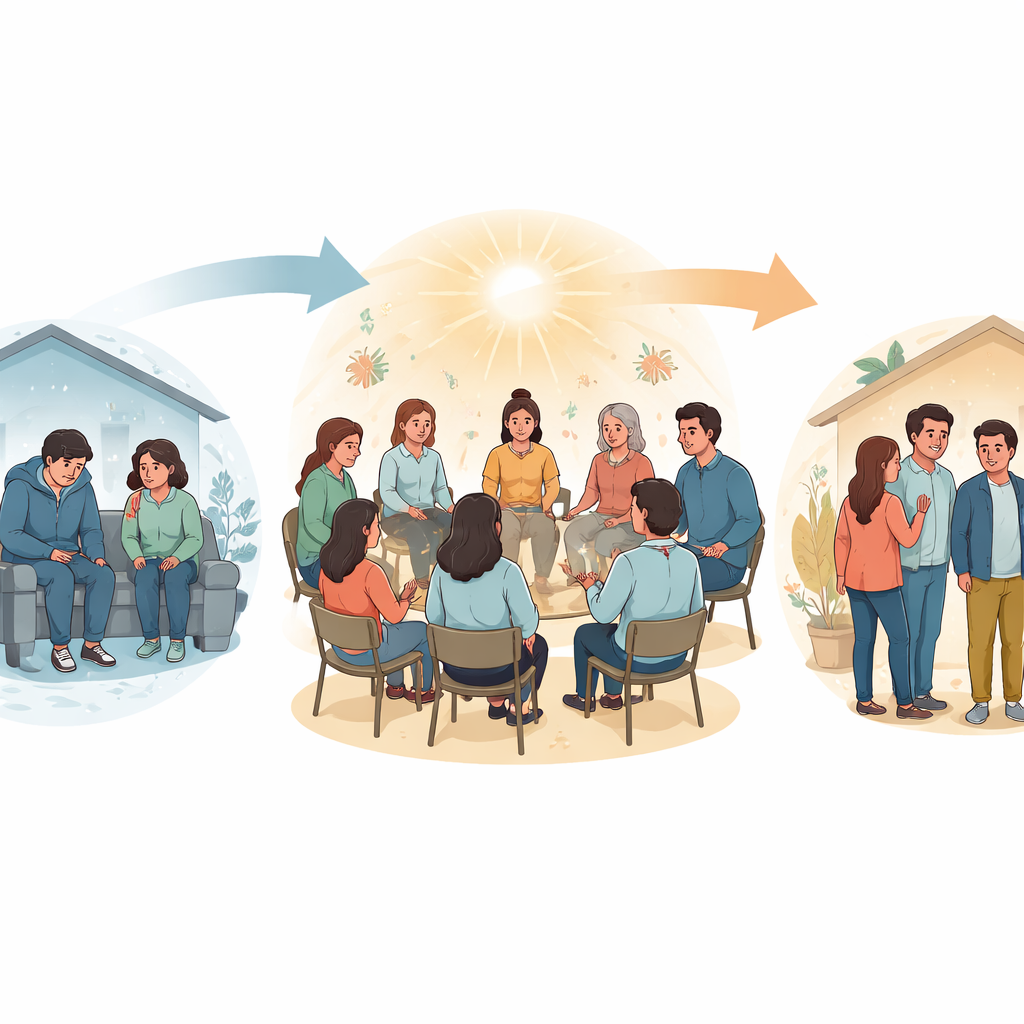
Drug use does not affect only the individual; it ripples through the entire household. In many societies, including Iran where this research took place, relatives of people who use drugs often feel judged by neighbors, friends, and even parts of the healthcare system. Over time, these harsh outside views can sink in. Family members may start to believe that they themselves are to blame, withdraw from social life, hide their loved one’s condition, and see their own worth as diminished. This internalized shame, called self-stigma, can sap their energy, increase isolation, and weaken their ability to offer steady support during treatment and rehabilitation.
A new kind of support group
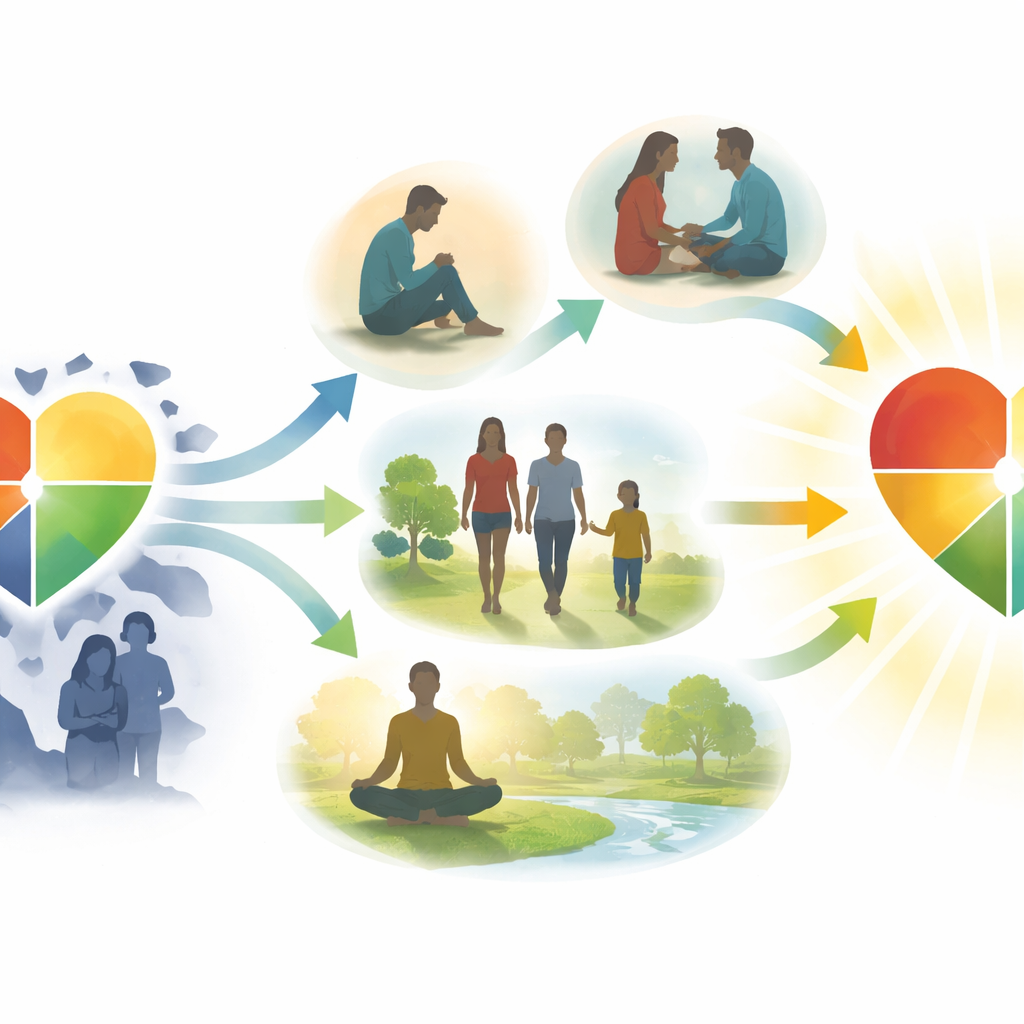
To tackle this problem, the researchers tested a structured spiritual program based on a framework known as Salim’s Heart model. This model focuses on four simple but powerful directions of connection: with oneself, with other people, with the natural world, and with a higher power according to each person’s beliefs. Sixty first-degree relatives of people receiving treatment for drug use in clinics in Khorramabad were randomly assigned to two groups. Both groups continued to receive the clinics’ usual services, but one group also attended nine weekly, 90‑minute group sessions built around spiritual reflection, storytelling, relaxation exercises, and practical steps to strengthen family ties and social belonging.
What happened in the sessions
Each meeting had a clear theme and set of activities. Early sessions were devoted to building trust and allowing participants to share their beliefs, worries, and experiences without fear of judgment. Later meetings encouraged people to notice how negative thoughts and labels were shaping their view of themselves and their relative, and to replace these with more compassionate and hopeful perspectives. Families practiced skills such as expressing feelings more openly, seeking out supportive relationships, enjoying music and humor, and reconnecting with nature through simple activities like walks or paying attention to water, trees, and fresh air. Throughout, the emphasis was on restoring a sense of meaning, dignity, and shared effort in facing addiction together.
Measuring changes in self-stigma
Before the first session and four weeks after the final one, all participants filled out a standardized questionnaire that measures self-stigma in three areas: withdrawing from society, hiding the illness, and feeling less valuable. At the start, the two groups had similar scores, indicating that self‑stigma was common across families. By the end of the study, the group that had taken part in the spiritual program showed a marked drop in overall self‑stigma and in the parts related to social withdrawal and concealment. In contrast, the group receiving only usual clinic care showed no meaningful change. Both simple comparisons and more detailed statistical tests confirmed that the improvement in the intervention group was unlikely to be due to chance.
What this means for recovery
The findings suggest that spiritual group work, when thoughtfully designed and culturally sensitive, can be a practical tool for easing the burden on families affected by drug use. By helping relatives move from shame and secrecy toward connection, acceptance, and hope, such programs may create a home environment that is kinder and more stable. Although this study did not directly measure whether these changes improve treatment adherence or long‑term recovery for the person who uses drugs, the authors argue that a less stigmatizing family atmosphere is likely to support better outcomes. In simple terms, when families feel less ashamed and more empowered, they are better able to stand beside their loved one on the long road to healing.
Citation: Sedieghifar, Z., Jalali, A., Rahmati, M. et al. Spiritual interventions and self-stigma in the family of person who use drugs: a clinical trial study. Sci Rep 16, 9070 (2026). https://doi.org/10.1038/s41598-026-38894-w
Keywords: self-stigma, family support, drug use, spiritual intervention, Salim’s Heart model