Clear Sky Science · en
Association of depressive and anxiety symptoms with blood pressure in first-episode, treatment-naïve patients with depression: a cross-sectional study
Why Mood and Blood Pressure Belong in the Same Conversation
Most people think of depression and anxiety as problems of the mind, while high blood pressure is seen as a problem of the heart and blood vessels. This study brings these worlds together by asking a simple but important question: in people experiencing their very first, untreated episode of major depression, do the severity of their low mood and worries show up in their blood pressure numbers? Understanding this link could help doctors protect heart health much earlier in the course of mental illness.
Who Was Studied and Why It Matters
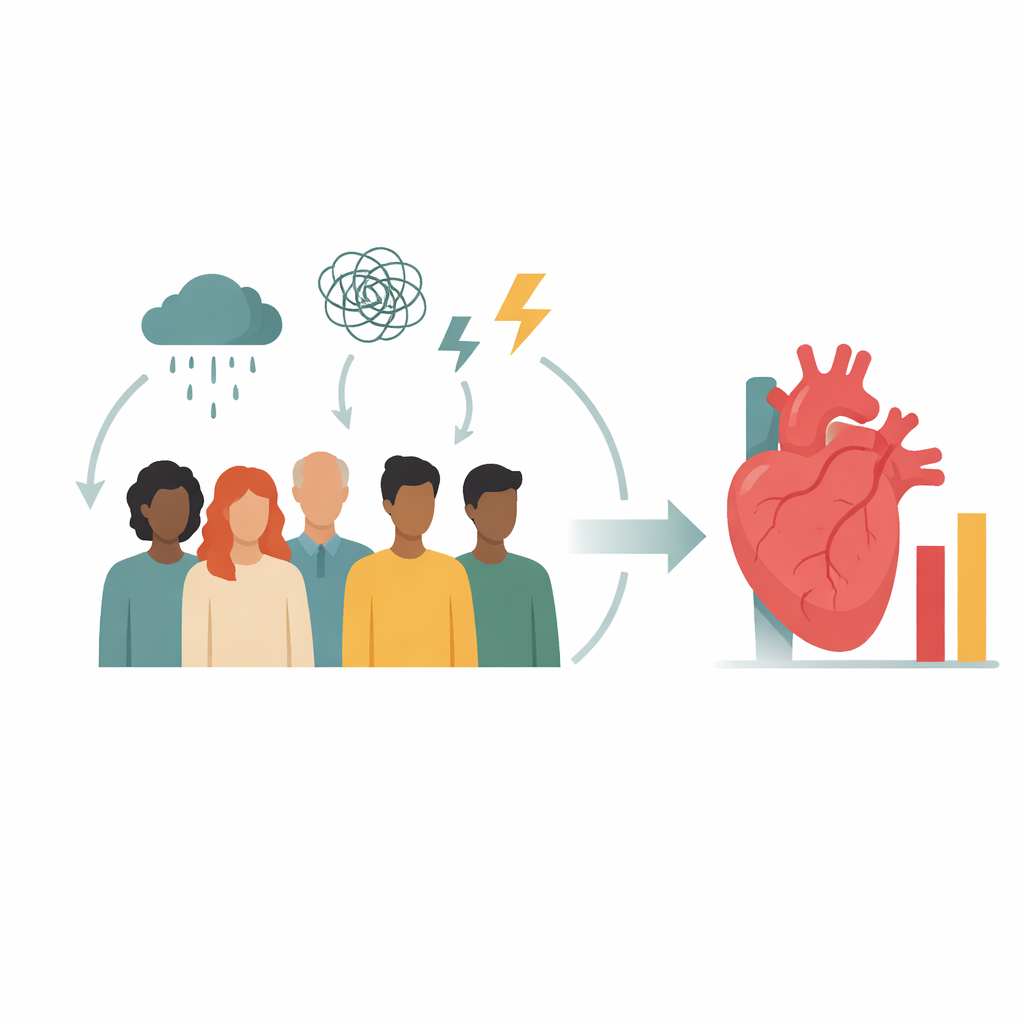
The researchers focused on 1,718 adults in China who were going through a first episode of major depression and had never taken antidepressant or blood pressure drugs. This is crucial because medications can themselves raise or lower blood pressure, making it hard to see the body’s natural response to emotional distress. All participants had fairly severe depression, and many also had significant anxiety symptoms. By looking at this group at the very start of their illness, the study offers a clearer picture of how mood and anxiety may be connected to the heart and circulation before any treatments or long-term disease changes get in the way.
How Mood, Anxiety, and Blood Pressure Were Measured
Each person underwent careful interviews with trained psychiatrists, who diagnosed major depression using standard international criteria. The severity of depression was rated with a widely used questionnaire that sums up sleep, appetite, energy, and mood symptoms into a single score. Anxiety was scored with a similar tool that captures both worrying thoughts and physical signs like tension or a racing heart. Blood pressure was measured with an automatic device under calm, standardized conditions: participants rested quietly, avoided caffeine and smoking beforehand, and had several readings taken, with the average used for analysis. The researchers then used statistical models to see whether higher depression or anxiety scores tracked with higher systolic blood pressure (the top number) and diastolic blood pressure (the bottom number), while also accounting for age, sex, education, marital status, and how long symptoms had been present.
What the Study Found About Mood and Blood Pressure
The key finding was that more severe depression was linked to higher values for both systolic and diastolic blood pressure, even after adjusting for other factors. In other words, among these untreated patients, those feeling more intensely depressed tended to have higher blood pressure overall. Anxiety showed a different pattern. When considered by itself, greater anxiety was associated with higher systolic and diastolic pressure. But once depression and anxiety were put into the same model, anxiety’s link with the top number of blood pressure faded, while its relationship with the bottom number remained. This suggests that depression and anxiety share some common effects on blood pressure but also have distinct influences, with anxiety seeming to relate more specifically to the pressure in the arteries between heartbeats.
Possible Body Pathways Behind the Numbers
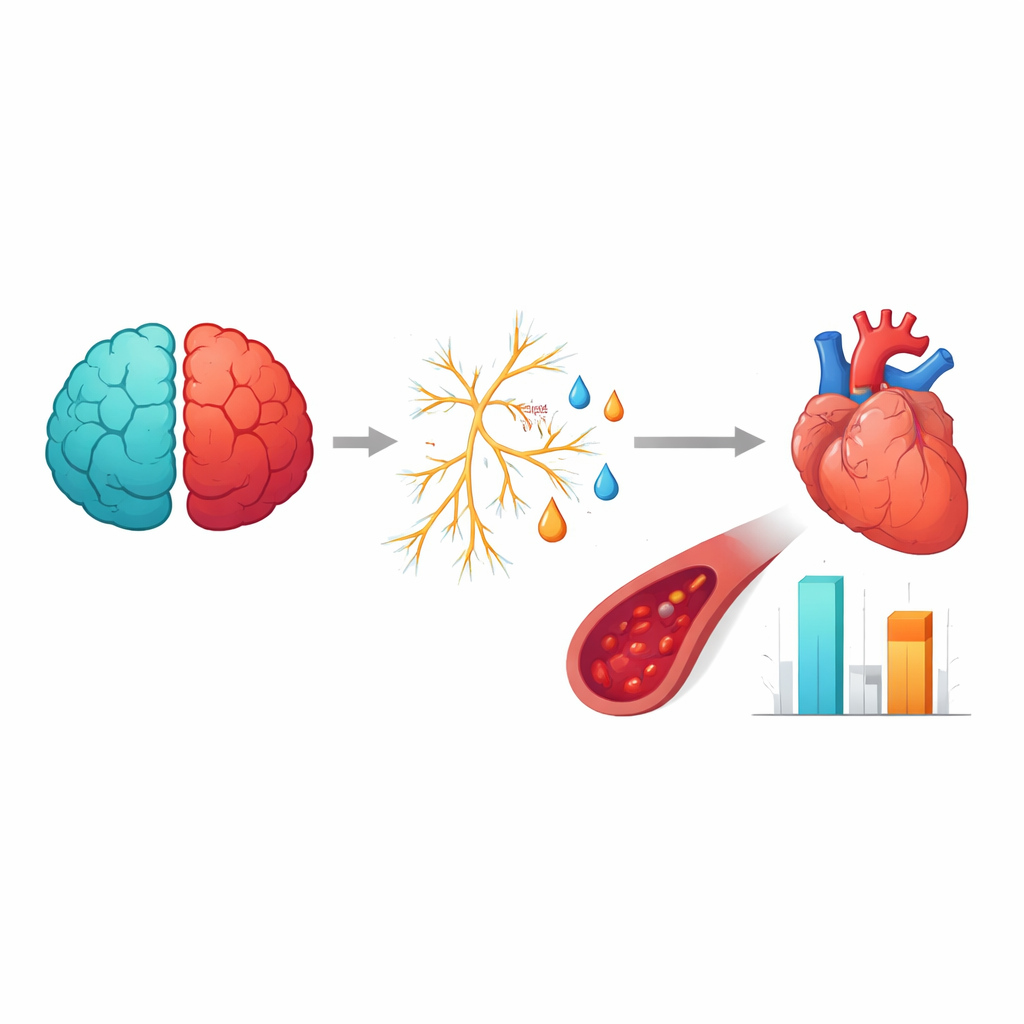
Why might emotional pain show up in blood pressure readings? The authors point to stress systems in the body that are often overactive in depression and anxiety. Long-term activation of stress hormones can cause fluid retention and make blood vessels tighten, driving blood pressure up. Overactive nerves that control heart rate and vessel tone can have similar effects. Inflammation and changes in the lining of blood vessels may further stiffen arteries. Anxiety, which often comes with constant alertness and physical tension, may especially raise the pressure when the heart is resting between beats by making small blood vessels narrower. Because the study looked only at one point in time, it cannot prove that mood symptoms cause high blood pressure, but it strongly suggests they travel together in meaningful ways.
What This Means for Patients and Care
For people living with depression, especially in its early and severe stages, this study underscores that mental health and heart health are closely connected. The results show that depressive symptoms are tied to higher overall blood pressure, and anxiety is particularly linked to the pressure in the arteries between heartbeats. For doctors, this means that checking blood pressure should be a routine part of assessing patients with depression and anxiety, even before any medication is started. For patients, it highlights the value of integrated care that addresses mood, stress, and lifestyle alongside traditional heart-health measures. Future long-term studies will need to confirm whether effectively treating depression and anxiety can help keep blood pressure in a healthier range and reduce the risk of later heart disease.
Citation: Qian, Q., Wang, L., Zhang, B. et al. Association of depressive and anxiety symptoms with blood pressure in first-episode, treatment-naïve patients with depression: a cross-sectional study. Sci Rep 16, 8088 (2026). https://doi.org/10.1038/s41598-026-38882-0
Keywords: depression, anxiety, blood pressure, cardiovascular risk, first-episode patients