Clear Sky Science · en
Experiences and coping strategies among patients with mild COVID-19 who develop post COVID conditions at a primary care centre
Lingering Effects After a “Mild” Infection
Many people were reassured when they were told their COVID-19 infection was “mild” and could be managed at home. Yet for some, the story did not end when the virus seemed to clear. This study from a Malaysian primary care clinic listened closely to women in their 20s and 30s who developed long‑lasting symptoms after mild COVID-19. Their stories reveal how even a short illness can ripple through daily life for weeks, leaving people tired, worried, and searching for ways to cope and feel understood.
From Short Illness to Long Road
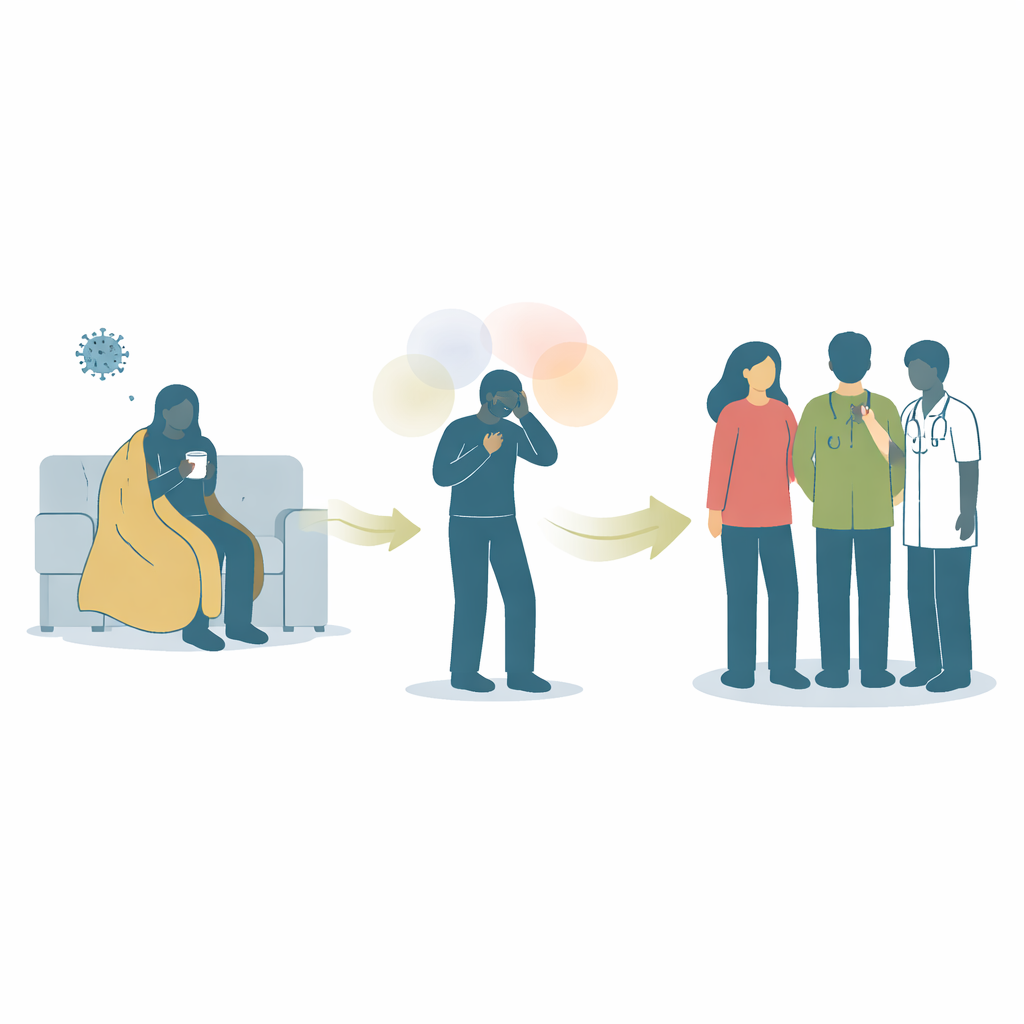
The researchers focused on post-COVID conditions, a term for symptoms that last at least four weeks after infection. They spoke in depth with six women who had tested positive during the Delta wave, all of whom were initially well enough to stay at home rather than be hospitalized. At first, these women experienced what many would recognize: fever, chills, sore throat, and cough. But instead of fading, new problems crept in—tightness in the chest, shortness of breath, stubborn cough, headaches, and a sense that even simple fevers now felt harder to bear. Symptoms did not arrive all at once; they built up gradually, turning what seemed like a brief illness into an ongoing condition.
Daily Life Turned Upside Down
Living with these lingering symptoms affected nearly every corner of daily life. Several participants struggled to sleep, waking frequently at night and finding it hard to drift off again. Others noticed “brain fog”: trouble concentrating in class, carrying out work tasks, or even remembering familiar prayers. Ordinary chores such as washing dishes or walking short distances could leave them breathless and exhausted. These changes were especially disruptive because many were students or working young adults, used to busy schedules and active routines. The mismatch between how they had once lived and what their bodies could now manage fed a deep sense of uncertainty about the future.
Feeling Alone, Yet Searching for Answers
Uncertainty was not only physical but emotional. Some women reported feeling brushed aside when they sought help, hearing that their symptoms were “normal” after COVID-19 and that nothing more could be done. This left them anxious, isolated, and unsure whether to keep seeking care. At the same time, sharing experiences with friends who had similar problems made a powerful difference: it reassured them that they were not imagining their symptoms and were not alone. Many turned to online information, official health websites, and trusted doctors to make sense of what was happening. These efforts helped them piece together an understanding of their condition, even in the absence of clear tests or quick fixes.
Finding Strength and New Routines
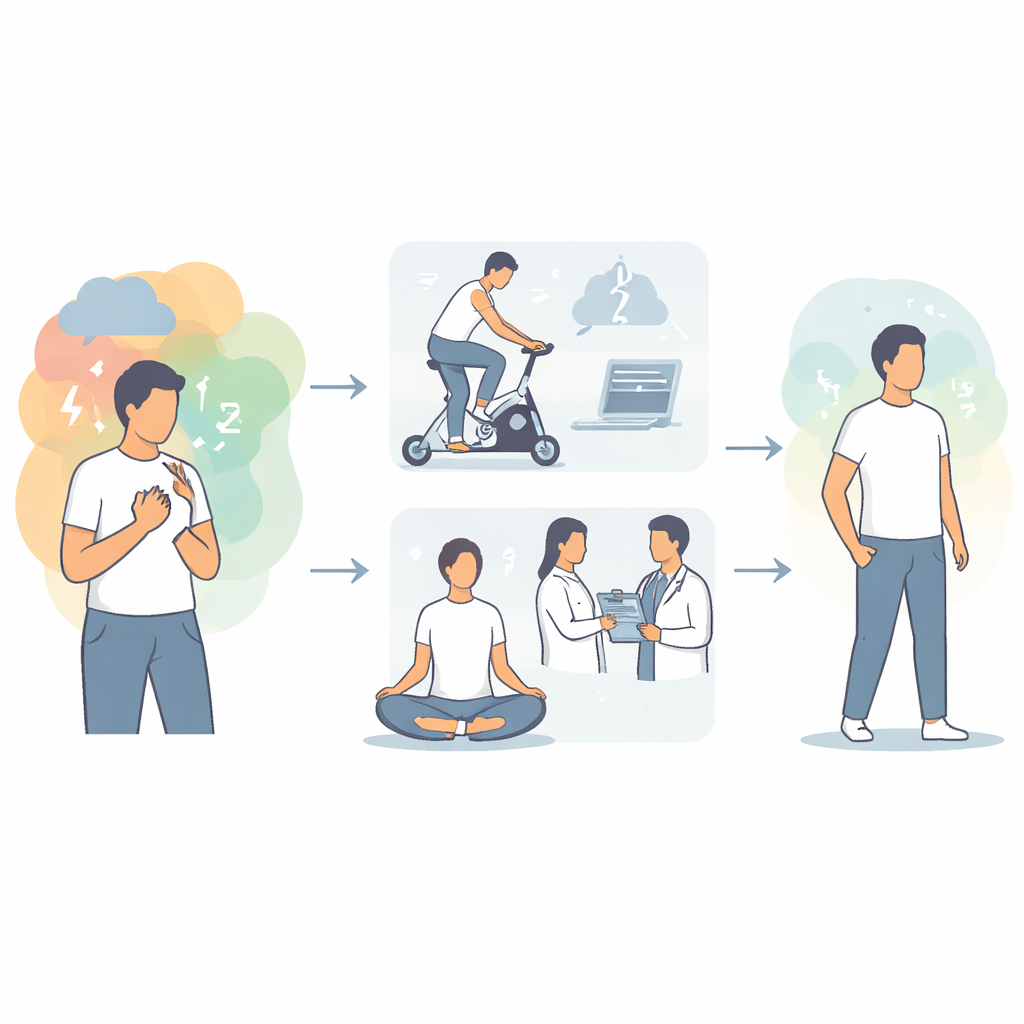
Despite the strain, the women in this study did not remain passive. They experimented with practical ways to cope: pacing themselves, taking breaks during chores, and adding light exercise such as stationary cycling when they could. Emotional support from family, friends, lecturers, and colleagues provided encouragement and reduced feelings of isolation. Several participants drew comfort from their faith, viewing their illness as a test and a reminder to be patient and reflective. Over time, many described not so much a full recovery as learning to live alongside their symptoms—adapting their expectations, adjusting their routines, and holding on to hope that things would improve.
What This Means for Patients and Clinicians
The study shows that even mild COVID-19 can leave a long shadow, especially for young adults who expect to bounce back quickly. Persistent symptoms, unclear causes, and mixed messages from health professionals can turn recovery into a confusing and lonely experience. Yet the stories collected here also highlight resilience: people actively seek information, support, and new coping strategies to regain a sense of control. For primary care providers, especially in settings like Malaysia where home care for mild cases is common, the message is clear. Listening carefully, acknowledging patients’ concerns, and offering holistic support—medical, emotional, and social—can help those with post-COVID conditions navigate the uncertainty and rebuild their lives.
Citation: Ismail, M.I.M., Malek, K.A., Yusuf, S.Y.M. et al. Experiences and coping strategies among patients with mild COVID-19 who develop post COVID conditions at a primary care centre. Sci Rep 16, 8179 (2026). https://doi.org/10.1038/s41598-026-38783-2
Keywords: long COVID, post-COVID symptoms, coping strategies, primary care, patient experiences