Clear Sky Science · en
Prevalence and correlates of postpartum depression during the COVID-19 pandemic: a cross-sectional study in Vietnam
Why the Emotional Health of New Mothers Matters
Bringing a baby into the world is often pictured as a joyful time, yet many new mothers quietly struggle with deep sadness, anxiety, and exhaustion. This study from Vietnam looks closely at depression after childbirth during the COVID-19 era, a period when everyday stresses were magnified by fear of infection and disrupted support networks. Understanding how common these emotional struggles are, and what makes them more likely, can help families, health workers, and communities better support mothers and their babies.
Taking a Closer Look at New Mothers in Hanoi
Researchers at Hanoi Obstetrics and Gynecology Hospital surveyed 223 women within the first three months after giving birth. Using a standard questionnaire called the Edinburgh Postnatal Depression Scale, they grouped mothers into different levels of emotional difficulty, from no signs of depression to clear clinical depression. They also asked about age, income, pregnancy history, sleep quality, lingering fear related to COVID-19, overall health, and how much practical and emotional help the women felt they received from those around them. The goal was not just to count how many mothers were struggling, but to see which everyday pressures tended to cluster together.
How Common Were Emotional Struggles After Birth?
The results showed that emotional distress after childbirth was far from rare. About two thirds of mothers had no signs of depression based on their scores. But 22% showed mild symptoms, nearly 6% were at high risk, and 8.5% met the threshold for postpartum depression. Compared with research from before the pandemic in Vietnam, these numbers suggest that the COVID-19 years left a lasting emotional mark on new mothers, even after the most severe restrictions had eased. Women in their late twenties and early thirties appeared particularly vulnerable, hinting that this group may face a unique mix of work, family, and financial pressures.
Sleep, Worry, and Support: A Web of Influences
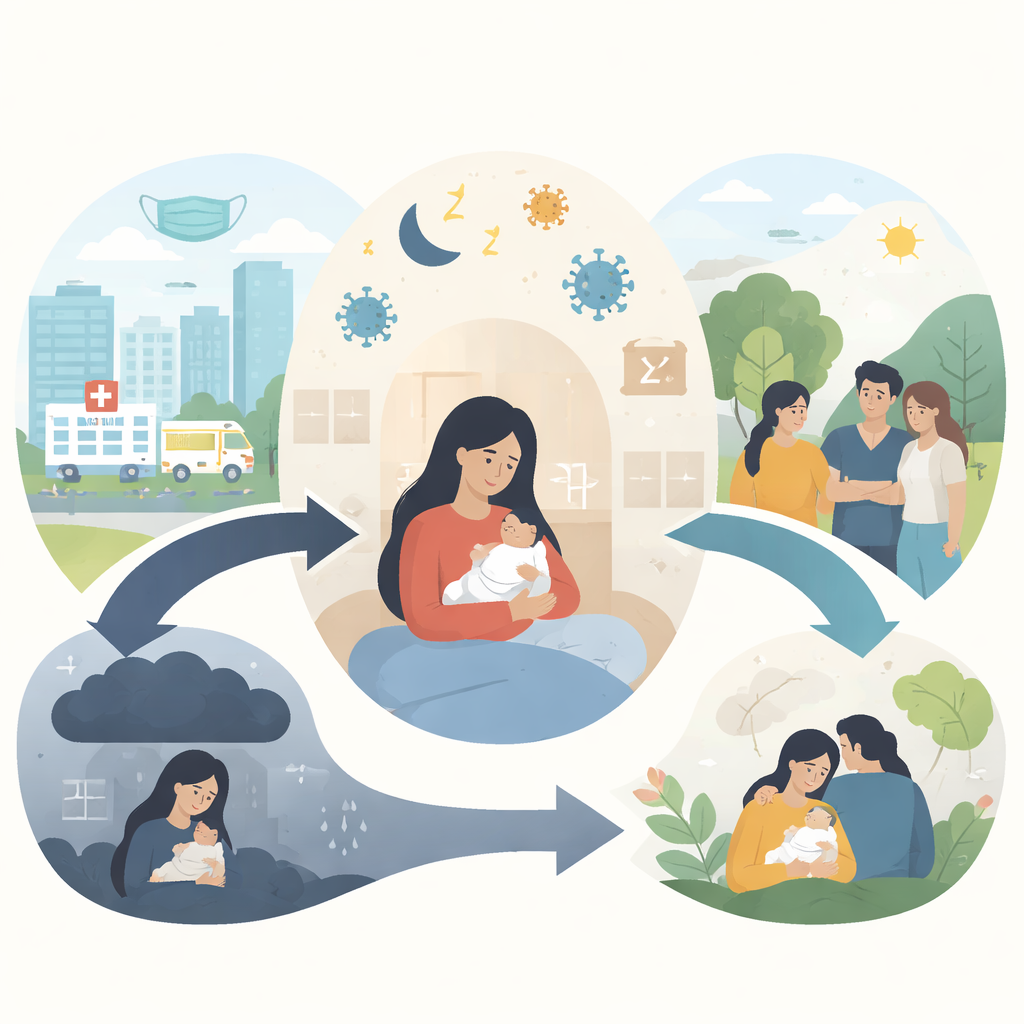
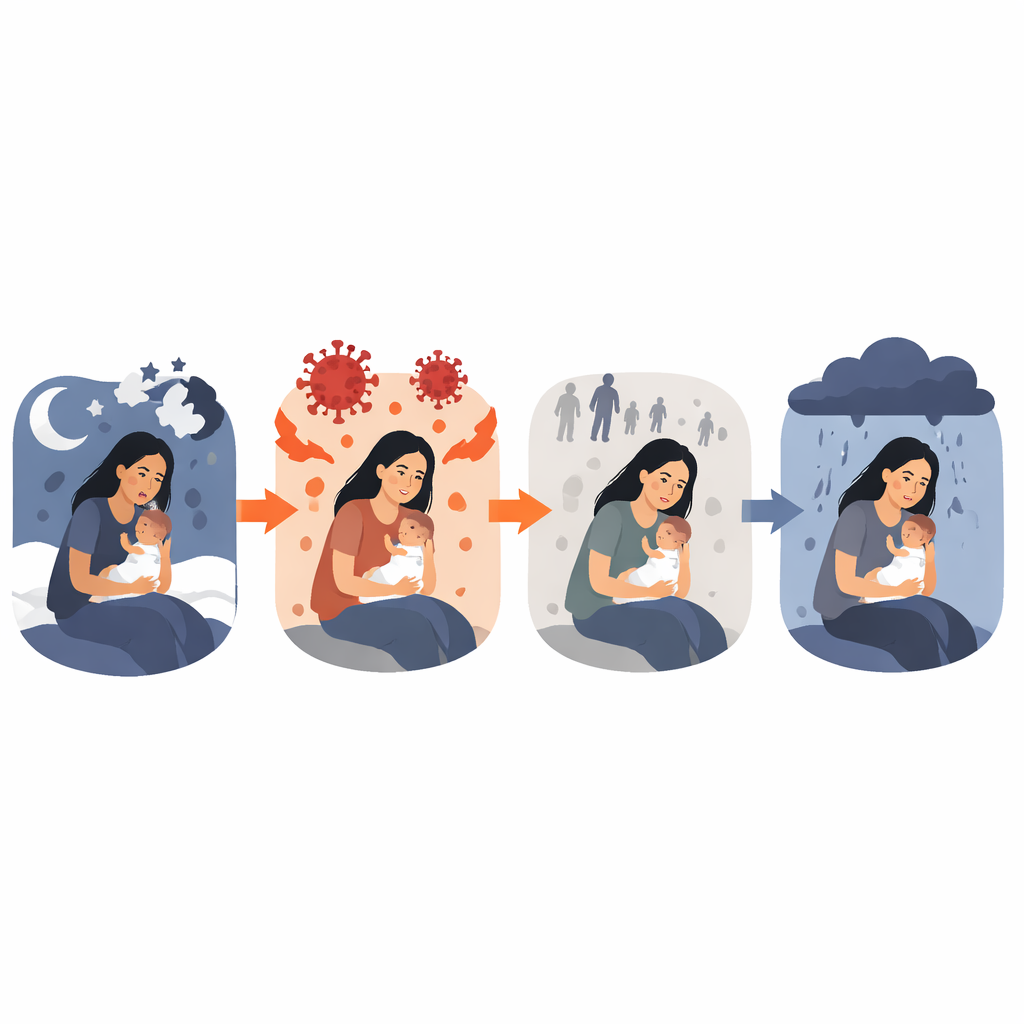
When the team examined patterns beneath the surface, three themes stood out: sleep quality, lingering anxiety about COVID-19, and the strength of social support. Mothers with poorer sleep reported much higher depression scores. Those who were more fearful about the virus also tended to have worse emotional health. At the same time, women who felt they had strong help with baby care, good information, and people they could talk to about their worries were less likely to show signs of depression. These influences did not act in isolation. Instead, poor sleep, ongoing worry, and thin social networks often appeared together, forming a tangle of stresses that weighed heavily on mothers’ mood.
What the Numbers Say About Risk and Protection
Statistical models confirmed that these everyday experiences were strongly linked to depression risk, even after accounting for factors like age, income, and birth history. Poorer sleep and greater COVID-19 fear both pushed the odds of depression higher, while better overall health and stronger social support pulled those odds down. Higher income seemed helpful in simpler analyses, likely reflecting reduced financial strain, though its role became less clear once other factors were considered. Interestingly, cultural pressure to have a son, often cited as a source of stress in some Asian settings, did not show a strong link to depression in this group, suggesting that more immediate emotional and practical conditions around the mother may matter more in this context.
Turning Findings into Real-World Support
For families and health systems, the study’s message is straightforward: postpartum depression is common and closely tied to everyday challenges that can, in principle, be addressed. Screening new mothers for emotional distress should become a routine part of postnatal care, alongside blood pressure checks and baby weight measurements. Simple steps—helping mothers improve sleep routines, offering clear information to ease lingering pandemic-related worries, and strengthening family and community support—can make a meaningful difference. By paying attention to a mother’s emotional world, especially in the wake of large-scale crises like COVID-19, we protect not only her well-being but also the healthy development of her child.
Citation: Nguyen, H.T.T., Nguyen, H.T., Phan, T.H.T. et al. Prevalence and correlates of postpartum depression during the COVID-19 pandemic: a cross-sectional study in Vietnam. Sci Rep 16, 8370 (2026). https://doi.org/10.1038/s41598-026-38669-3
Keywords: postpartum depression, maternal mental health, COVID-19, sleep and mood, social support